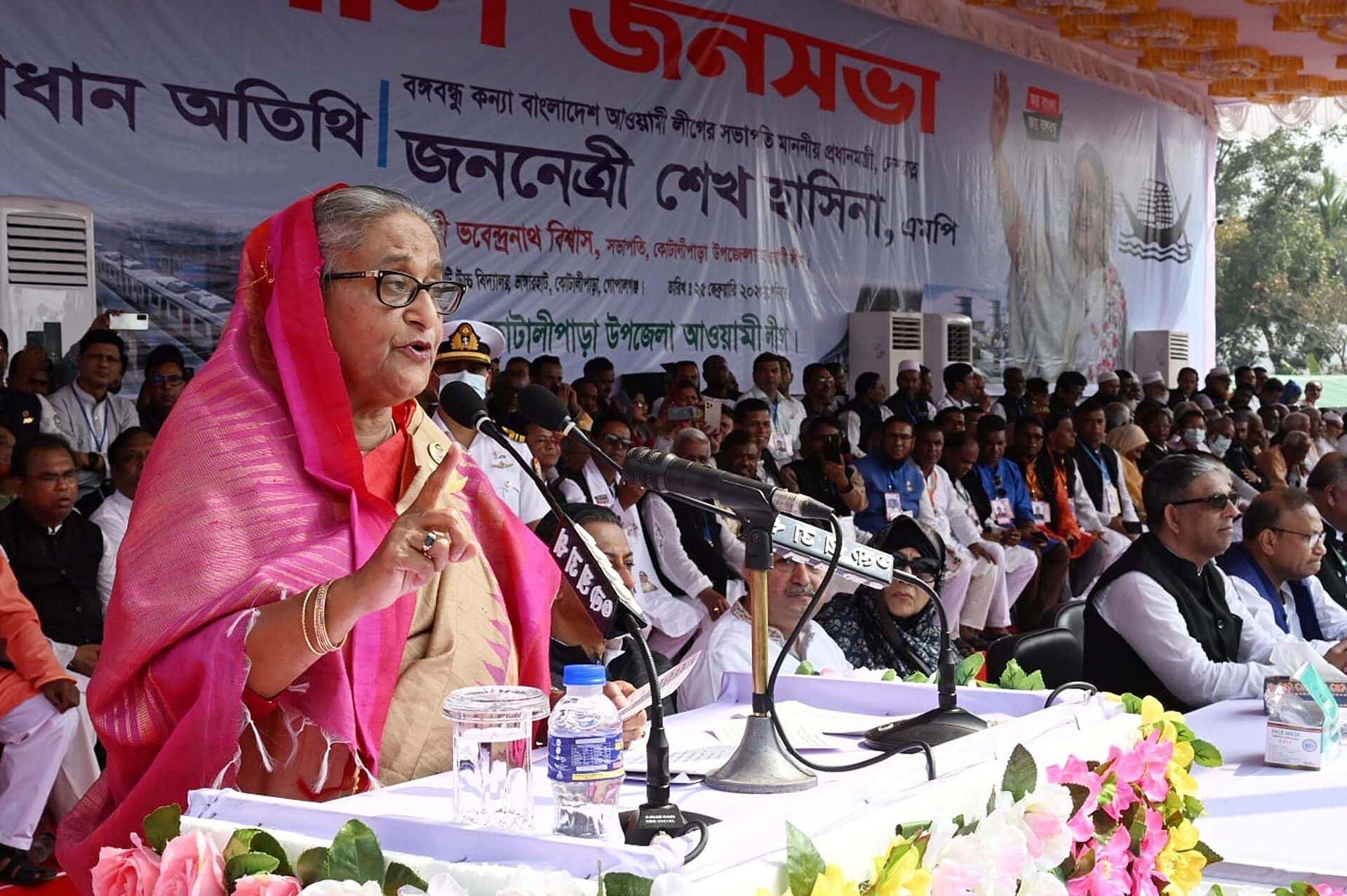
Netanyahu and Eisenkot Unity Government Talks Stall Amid Policy Differences and Coalition Friction
Discussions between caretaker Prime Minister Benjamin Netanyahu and opposition leader Gadi Eisenkot regarding an Israeli national unity government have stalled over substantial policy differences and political disagreements.

- Netanyahu and Eisenkot held a two-hour meeting in Tel Aviv that ended without a breakthrough.
- Netanyahu offered a rotational prime minister arrangement, proposing Eisenkot take office first.
- Likud ministers criticized Eisenkot, while disputes over ultra-Orthodox military exemptions persisted.
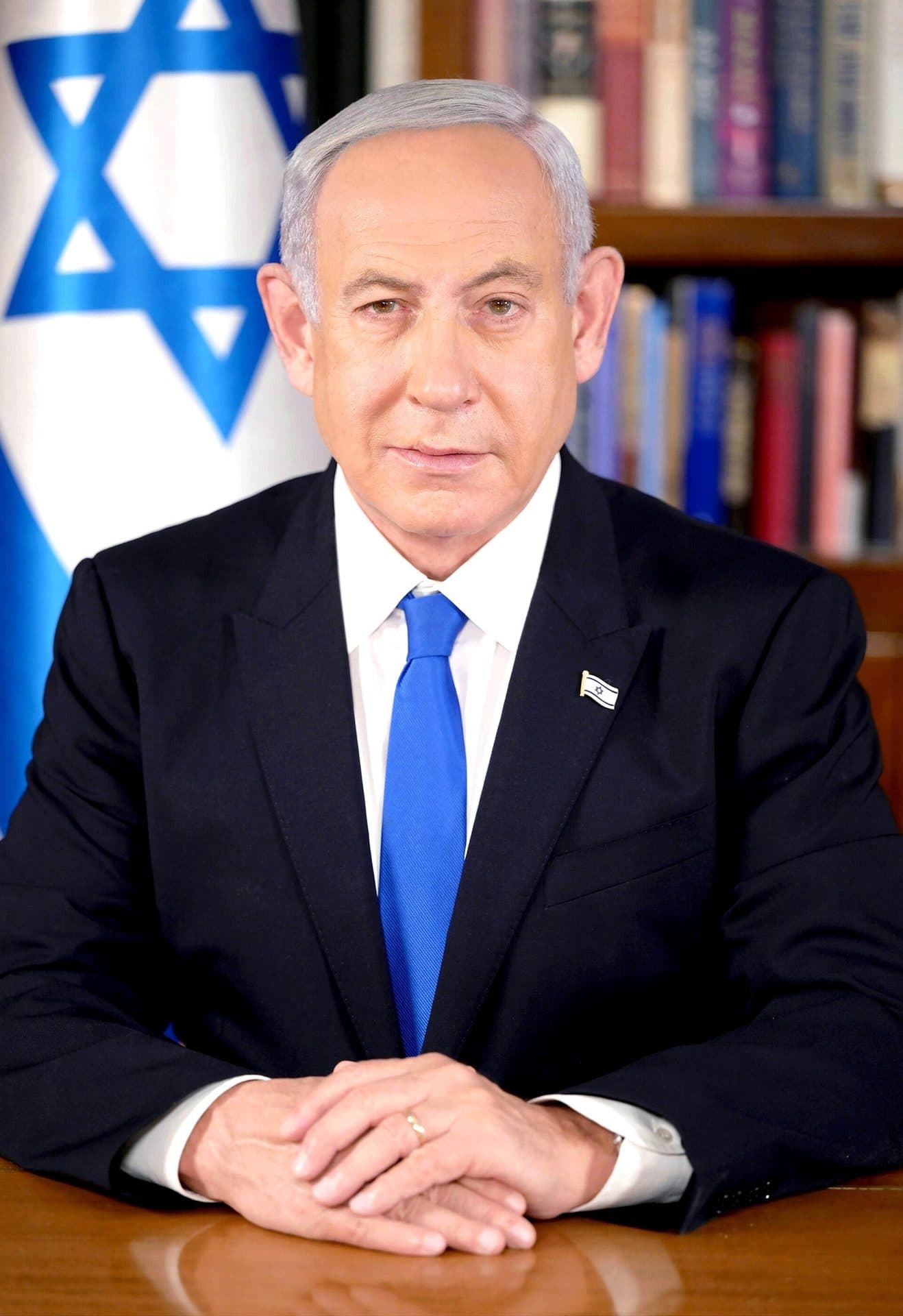
Efforts to form a national unity government in Israel have encountered a major setback following discussions between caretaker Prime Minister Benjamin Netanyahu and Yashar party leader Gadi Eisenkot. The two leaders met for nearly two hours at the Kirya defence headquarters in Tel Aviv after a security briefing to explore a coalition framework. A joint statement issued by Likud and Yashar described the session as businesslike, noting that both sides attempted to narrow substantial policy gaps. However, local media reported that no breakthrough occurred and subsequent meetings between the respective negotiating teams were cancelled.
Rotational Offer and Stalled Negotiations
The high-level meeting followed an announcement by Netanyahu stating his willingness to accept a rotational leadership arrangement. Under the proposed structure, Eisenkot would serve as prime minister first, with Netanyahu taking the role of alternate prime minister. Despite the offer, a source close to Netanyahu asserted that Eisenkot showed a lack of genuine interest in forming a unity government. In response, Eisenkot maintained his allegiance to his current political bloc while suggesting that Likud and its allies could join the administration after its formation, provided they accepted its guiding principles. Eisenkot faces a deadline of December 6 to build a government, subject to a potential 14-day extension granted by the president following last month's parliamentary election.
Political Backlash from Likud Ministers
The negotiations triggered sharp criticism from senior members of Netanyahu's Likud party directed at Eisenkot and potential coalition partners. Culture Minister Miki Zohar warned the ultra-Orthodox United Torah Judaism party against aligning with an Eisenkot-led administration, stating that doing so would permanently sever ties with the right wing. Education Minister Yoav Kisch similarly opposed a government dependent on a single side of the political spectrum, arguing it would deepen societal divisions. Additionally, Communications Minister Shlomo Karhi published a critical post on social media platform X targeting Eisenkot over his coalition outreach. Meanwhile, parallel coalition talks continued between Eisenkot's Yashar party and Naftali Bennett's B'Yachad party.
Disagreements Over Military Exemptions
A central point of contention in the ongoing coalition discussions involves military service exemptions for ultra-Orthodox yeshiva students. Bennett, the sole leader within Eisenkot's political bloc who previously supported a unity government with Likud, remains firmly opposed to granting sweeping exemptions to seminary students. This stance directly opposes the demands of United Torah Judaism, which seeks exemptions as a primary condition for joining a coalition. Eisenkot also supports the conscription of yeshiva students into military service, creating further friction with ultra-Orthodox factions. Following the recent election where Likud lost its parliamentary majority and secured 53 seats alongside its allies, while Eisenkot's potential bloc captured 48 seats, political uncertainty across the 120-member parliament remains high.
- Negotiations between Benjamin Netanyahu and Gadi Eisenkot halted following a two-hour meeting in Tel Aviv with no further team meetings scheduled.
- Netanyahu offered to serve as alternate prime minister under a rotational arrangement, but discussions stalled over substantial policy gaps and political positioning.
- Friction intensified as Likud ministers criticized Eisenkot, and disagreements over military conscription for ultra-Orthodox students complicated broader coalition efforts.
Spotted an error? · Our editorial policy
UP NEXTDelhi Air Quality Drops to Very Poor Following Two Weeks of Moderate ImprovementOther angles · #Benjamin Netanyahu
Timeline →- NewsIsraeli Unity Talks Collapse as Netanyahu and Eisenkot Fail to Reach Agreement
- NewsNetanyahu and Eisenkot Meet in Tel Aviv Amid Coalition Talks and December Deadline
- NewsNetanyahu and Eisenkot Set Face-to-Face Talks Amid Premiership Rotation Dispute
- NewsIsrael’s Political Deadlock: Eisenkot Sets 24-Hour Deadline for Netanyahu’s Unity Talks
More from World Politics
Iran Pursues Intelligence Overhaul and Leadership Reset Amid Ongoing Security Pressures
Israeli Unity Talks Collapse as Netanyahu and Eisenkot Fail to Reach Agreement
Iran’s Supreme Leader Directs Major Intelligence Overhaul Following Security Lapses