Shabana Azmi Credits Gen Z with Reviving India’s Culture of Protest
Actor Shabana Azmi praised younger generations for reigniting political activism while critiquing the lack of support for artists who speak out in India.

- Shabana Azmi credited Gen Z for reviving the culture of protest in India.
- The actor argued that older generations need to introspect rather than criticizing youth for a lack of social engagement.
- Azmi highlighted the professional risks artists face in India for dissent compared to the freedom of speech enjoyed by actors in the United States.
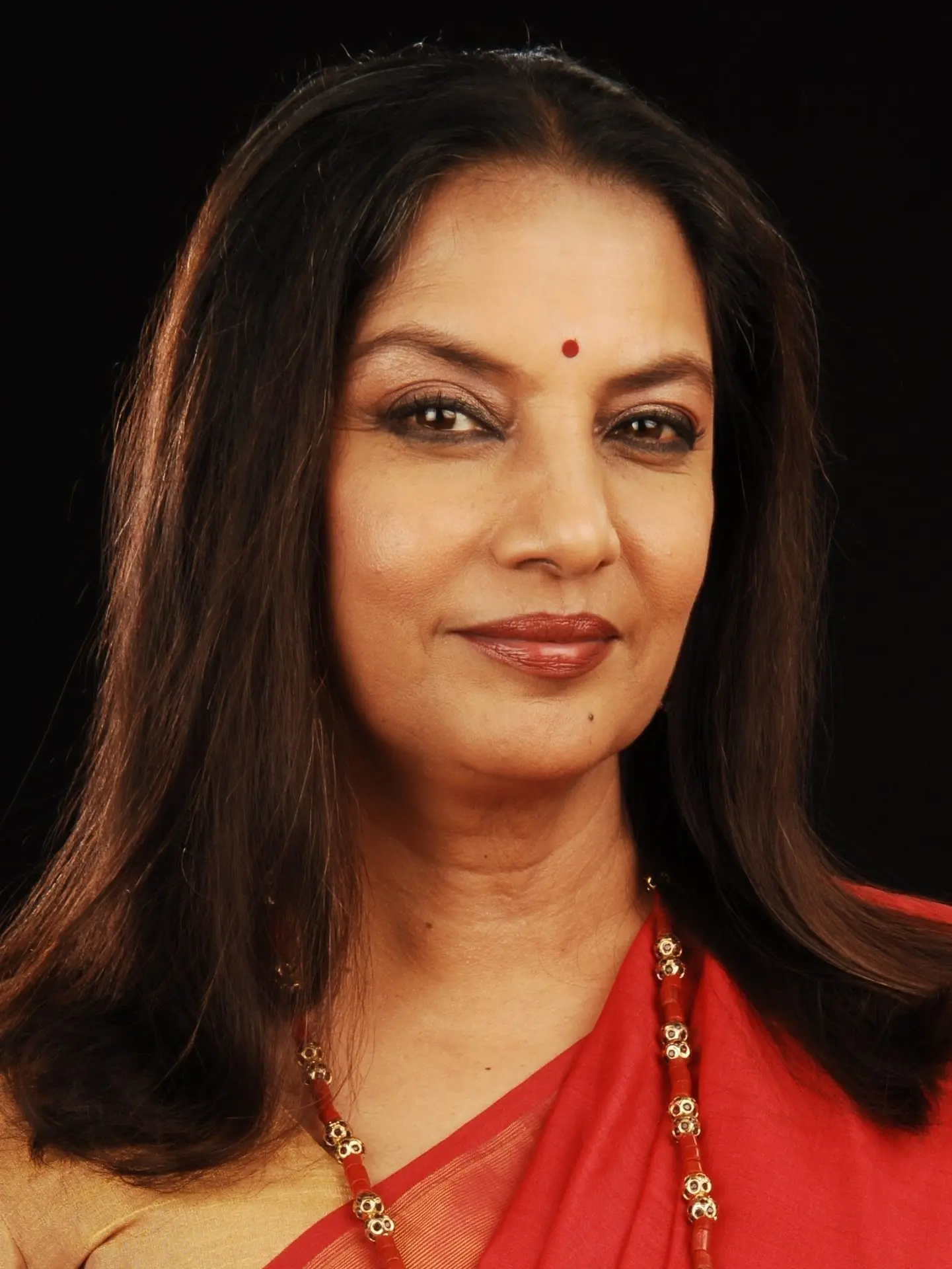
Veteran actor Shabana Azmi recently highlighted a resurgence in civic engagement, attributing the revival of a previously dormant protest culture to Gen Z. Speaking on the final day of the eighth Dehradun Literature Festival, the 76-year-old actor addressed a large audience despite suffering a foot injury during the event. She noted that the younger generation has successfully motivated older individuals who had previously become disillusioned or socially and politically inactive.
The Role of Youth in Social Change
Azmi rejected the common criticism that today's youth are solely focused on career advancement at the expense of broader societal issues. Instead, she argued that the older generation should reflect on its own shortcomings, suggesting that failure to provide adequate role models for young people has been a significant issue. She emphasized that the current wave of activism is creating an environment where dissent is once again becoming a tool to challenge stagnation, expressing optimism that this trend could spread significantly.
Challenges Faced by Dissenting Artists
During her appearance, Azmi drew comparisons between the climate for artistic expression in India and the United States. She observed that Hollywood figures like Meryl Streep and Robert De Niro have publicly challenged American government leaders without suffering negative professional repercussions, a situation she described as characteristic of a true democracy. In contrast, she pointed to the 2006 backlash against Aamir Khan, who faced protests and a boycott of his film Fanaa after supporting the Narmada Bachao Andolan and the rights of those displaced by the Sardar Sarovar dam project.
Addressing the pressure placed on the creative community, Azmi questioned why the film industry is frequently expected to be the sole voice of dissent. She expressed frustration that corporate leaders and influential industrialists are not held to the same standards of public accountability. Her comments followed her participation in solidarity protests at Delhi’s Jantar Mantar, where she had stood alongside students and fellow actor Prakash Raj to voice concerns regarding alleged irregularities in the NEET examination.
Festival Context and Participation
The Dehradun Literature Festival concluded its three-day run with a diverse lineup of speakers. In addition to Azmi, the event featured notable figures such as composer AR Rahman, filmmakers Vishal Bhardwaj and Imtiaz Ali, actors Ratna Pathak Shah and Raj Babbar, and environmental activist Peepal Baba. The festival, currently in its eighth installment, has become a notable platform for discussions on arts, society, and current events.
- Shabana Azmi attended the Dehradun Literature Festival despite a foot injury.
- She emphasized that protests are a vital way to wake up a society that has become inactive.
- She cited the 2006 boycott of Aamir Khan's film as an example of the consequences artists face for expressing views on social issues.
- Veteran actor Shabana Azmi recently highlighted a resurgence in civic engagement, attributing the revival of a previously dormant protest culture to Gen Z.
Spotted an error? · Our editorial policy
UP NEXTNetanyahu and Eisenkot Unity Government Talks Stall Amid Policy Differences and Coalition FrictionOther angles · #Dehradun Literature Festival
Timeline →More from India
Keralam Health Minister Alleges Conspiracy Against Public Healthcare Sector
CPI(M) Leader P Rajeev Announces Opposition to Kerala’s New Private Universities Bill
NHRC Seeks Report from Punjab Government Over Alleged Desecration of Sikh Religious Symbol