Iran Pursues Intelligence Overhaul and Leadership Reset Amid Ongoing Security Pressures
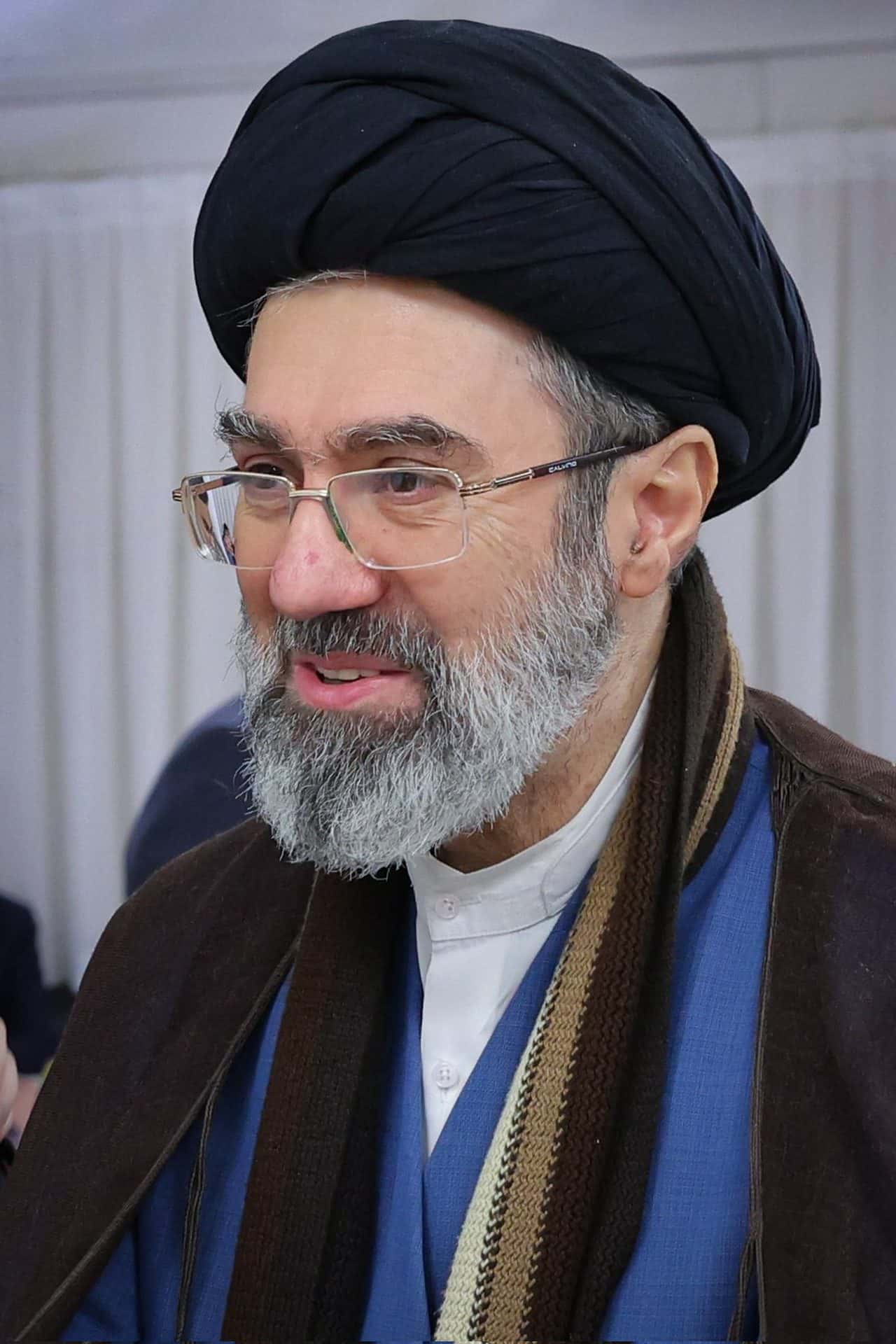
Supreme Leader Ayatollah Mojtaba Khamenei has directed a major intelligence overhaul following repeated security breaches and the death of former minister Esmail Khatib.

- Supreme Leader Ayatollah Mojtaba Khamenei ordered an intelligence system shake-up following security breaches.
- Parliament approved an overhaul bill that widens ministerial eligibility criteria beyond clerics.
- The intelligence ministry has lacked a permanent chief since Esmail Khatib was killed in an Israeli strike.
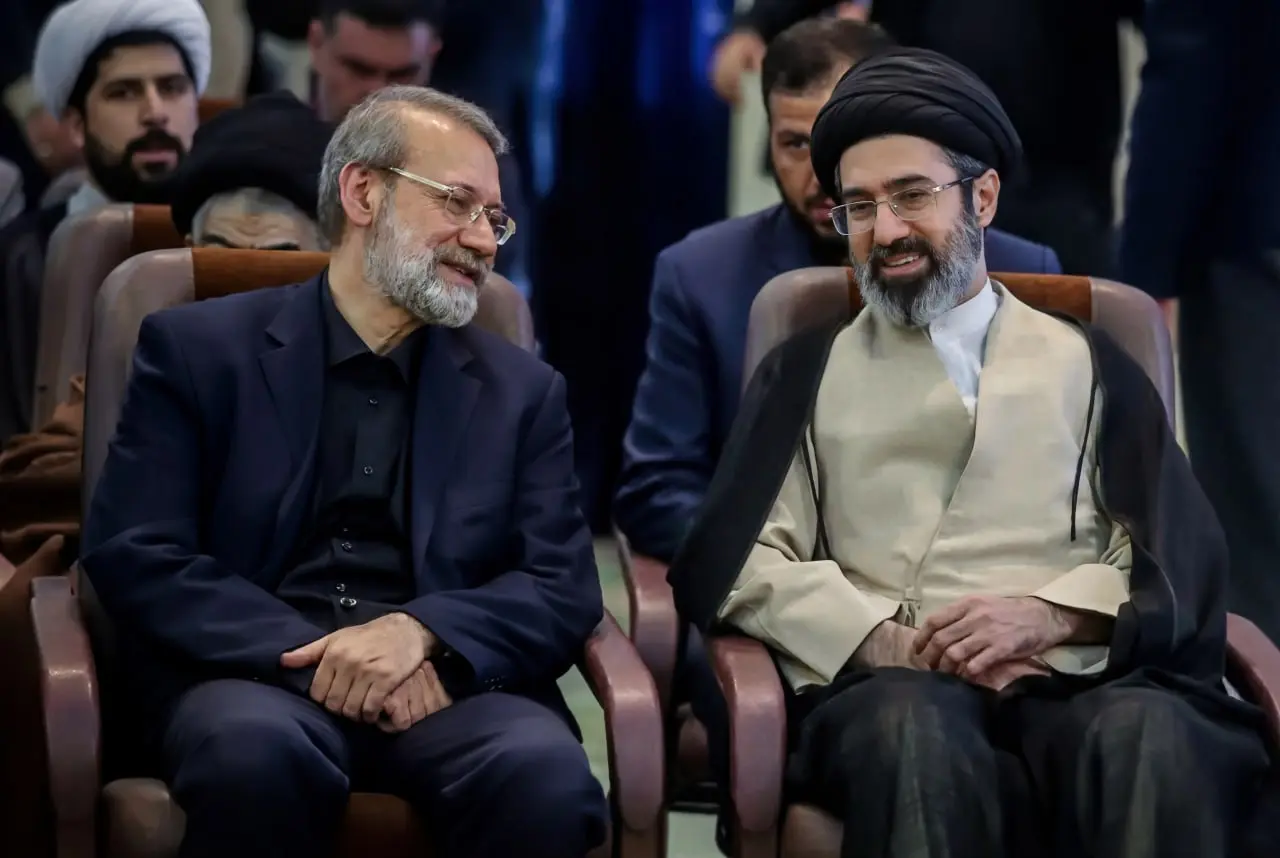
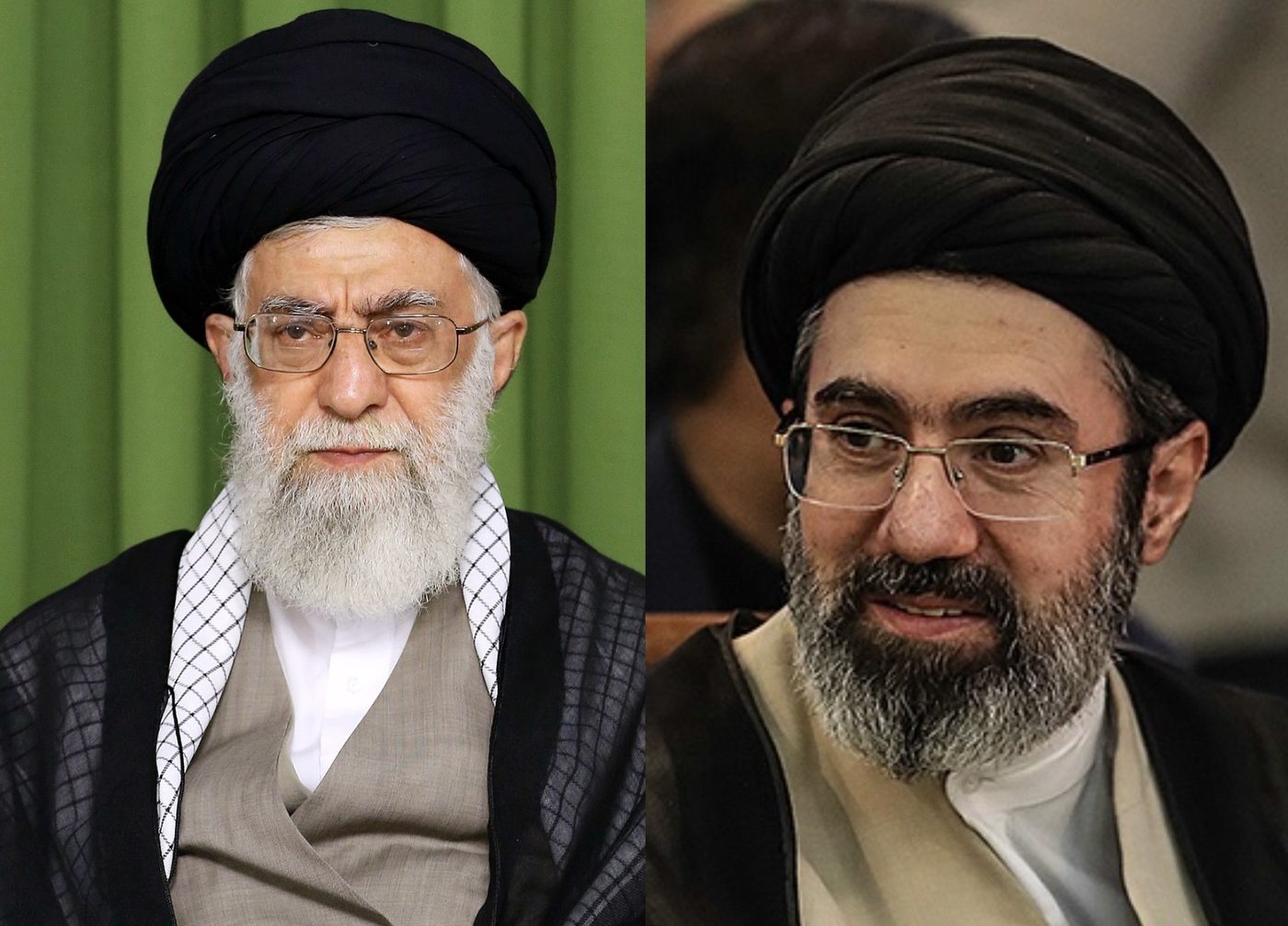
Supreme Leader Ayatollah Mojtaba Khamenei has ordered a sweeping restructure of Iran's intelligence system. Parliament Speaker Mohammad Baqer Qalibaf announced the directive, noting that the leadership is seeking to mend structural vulnerabilities exposed by foreign infiltration and high-profile security incidents.
Legislative Action and Ministerial Qualifications
Parliamentary lawmakers took up the restructuring task after facing delays in receiving a government-sponsored bill, approving the general outline of the new legislation. The proposed law seeks to broaden the pool of candidates eligible for the intelligence portfolio. Under the new criteria, candidates would no longer be restricted to clerics, opening the post to individuals holding a master's degree, intelligence expertise, and at least ten years of middle- or senior-management experience. Those holding qualifications in ijtihad, representing independent Islamic legal reasoning, would also remain eligible to hold the office.
Context of Intelligence Failures and Vacancy
The intelligence ministry has operated without a permanent head since the death of former minister Esmail Khatib, who was killed in an Israeli strike. Khatib had served in the post since August 2021 after working in the office of former Supreme Leader Ayatollah Ali Khamenei. Tehran's security apparatus faced intense scrutiny following major breaches, including the 2020 assassination of nuclear scientist Mohsen Fakhrizadeh and the 2024 killing of Hamas leader Ismail Haniyeh in Tehran. Additional vulnerabilities emerged during a 12-day war, when operatives inside the country aided strikes against missile launchers, air-defense systems, and senior military personnel.
Strait of Hormuz Warnings and Diplomatic Stance
Beyond domestic security reforms, regional military pressures continue to impact Iranian operations, particularly around the Strait of Hormuz. The Iranian navy issued warnings to commercial vessels regarding unauthorized routes after the Islamic Revolutionary Guard Corps reported that two tankers struck naval mines. Rejecting U.S. military assurances of safe passage, the navy stated that Central Command promises cannot eliminate mine hazards. Meanwhile, President Masoud Pezeshkian stated that Tehran remains open to logical negotiations while emphasizing that the nation will reject humiliation and resist aggression under pressure.
- Ayatollah Mojtaba Khamenei directed an intelligence system restructure announced by Speaker Qalibaf.
- Lawmakers advanced a bill to allow non-clerical candidates with management and intelligence experience to lead the ministry.
- The intelligence chief position has been vacant since Esmail Khatib's death in an Israeli strike.
- The Iranian navy warned ships against unauthorized passage in the Strait of Hormuz over naval mine risks.
Spotted an error? · Our editorial policy
UP NEXTProposed Delimitation Bill Outlines Supreme Court Judge-Led Commission and Expansion of Lok SabhaSwipe more stories · World PoliticsQuick cards, a few lines each. Tap to open.More from World Politics
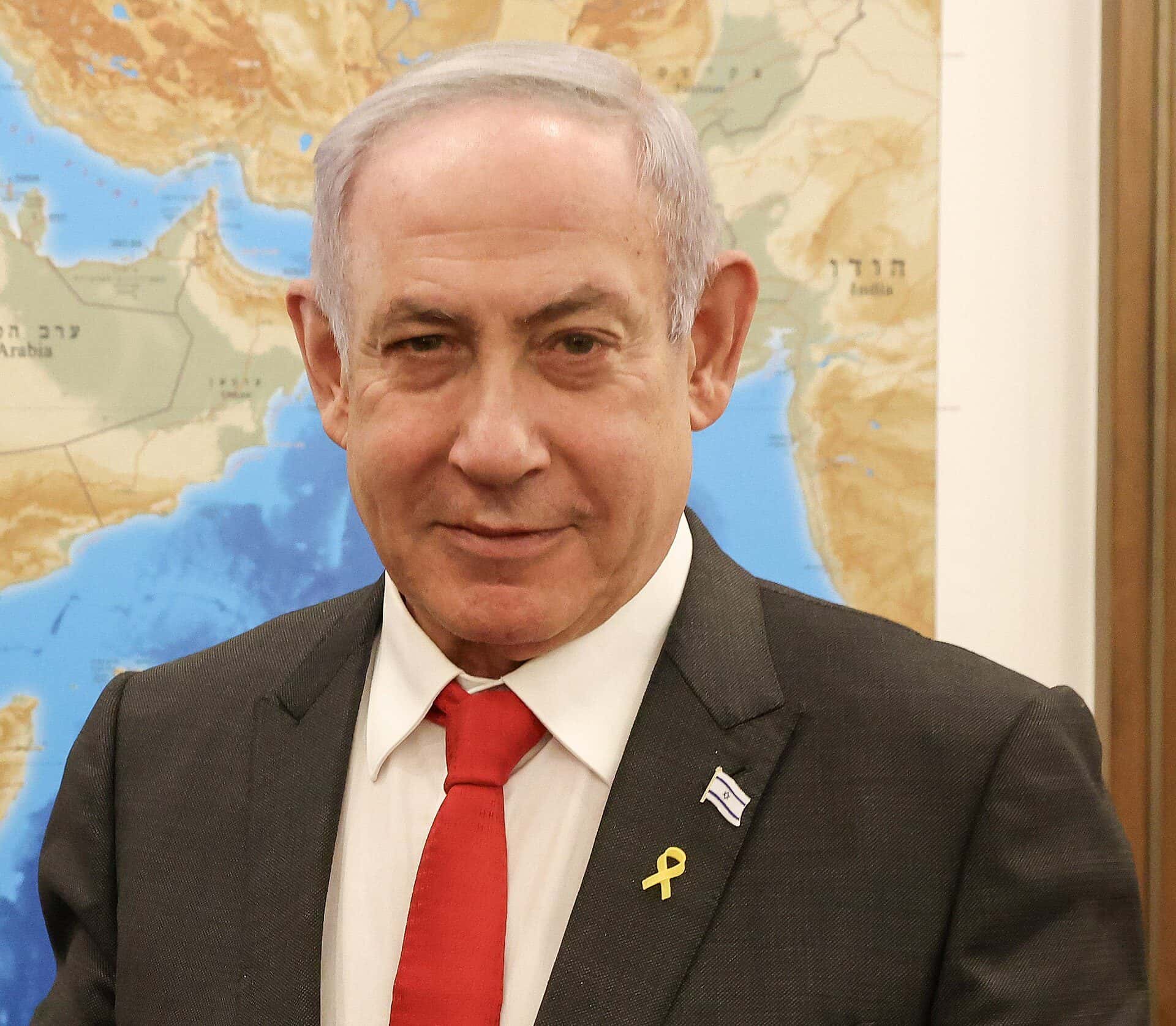
Israeli Unity Talks Collapse as Netanyahu and Eisenkot Fail to Reach Agreement
Iran’s Supreme Leader Directs Major Intelligence Overhaul Following Security Lapses
Violence erupts in Bangladesh as Hasina’s supporters clash with rivals ahead of planned return