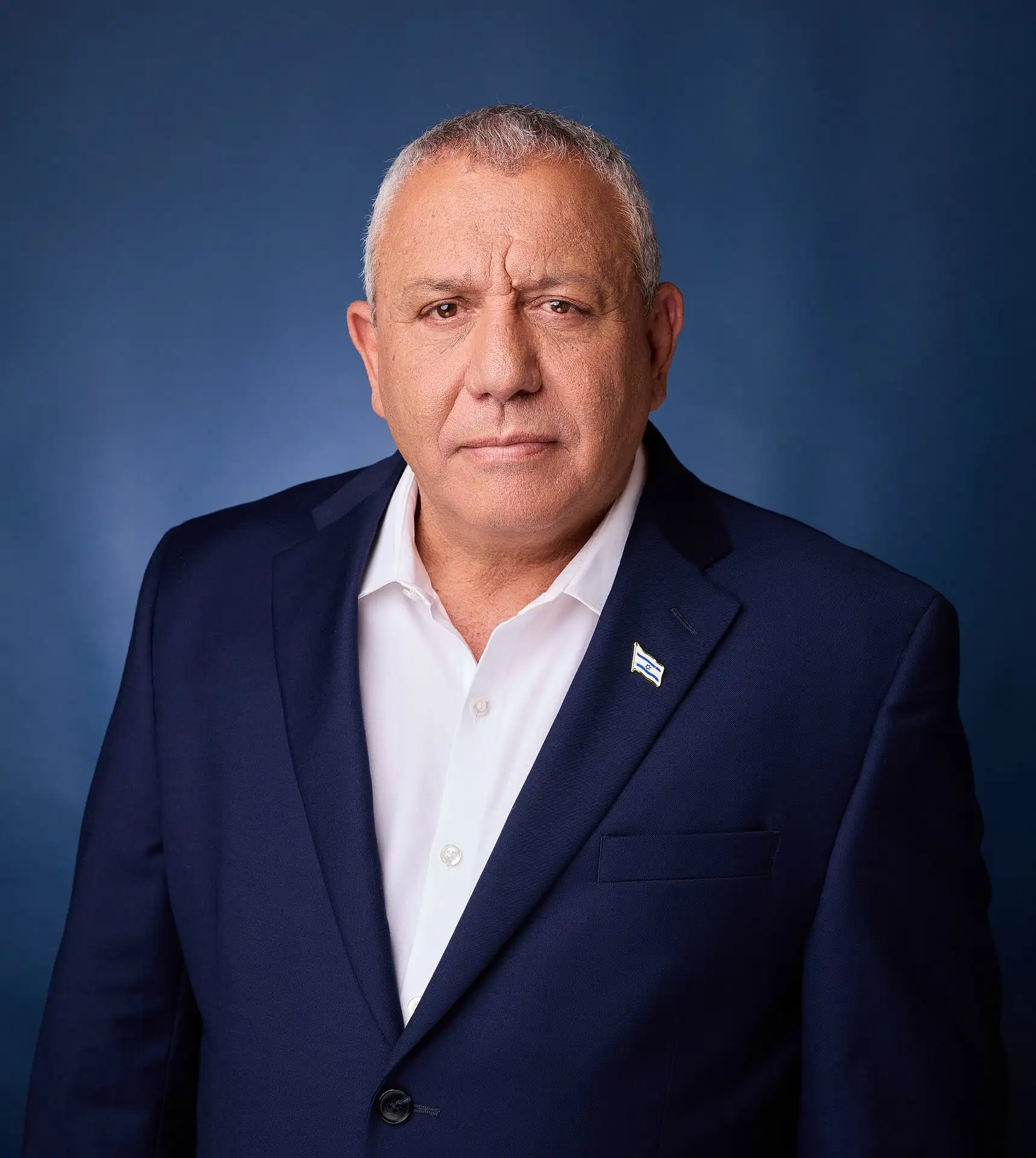
Israeli Unity Talks Collapse as Netanyahu and Eisenkot Fail to Reach Agreement
A high-stakes meeting between Israeli Prime Minister Benjamin Netanyahu and opposition leader Gadi Eisenkot ended without a breakthrough, halting negotiations over a potential national unity government.

- Benjamin Netanyahu and Gadi Eisenkot met for two hours in Tel Aviv on Sunday without reaching a unity government agreement.
- No further meetings are planned between the negotiating teams, leaving Eisenkot to form a government with other political partners.
- Eisenkot holds a mandate from President Isaac Herzog until December 6 to assemble a ruling coalition in the 120-member Knesset.
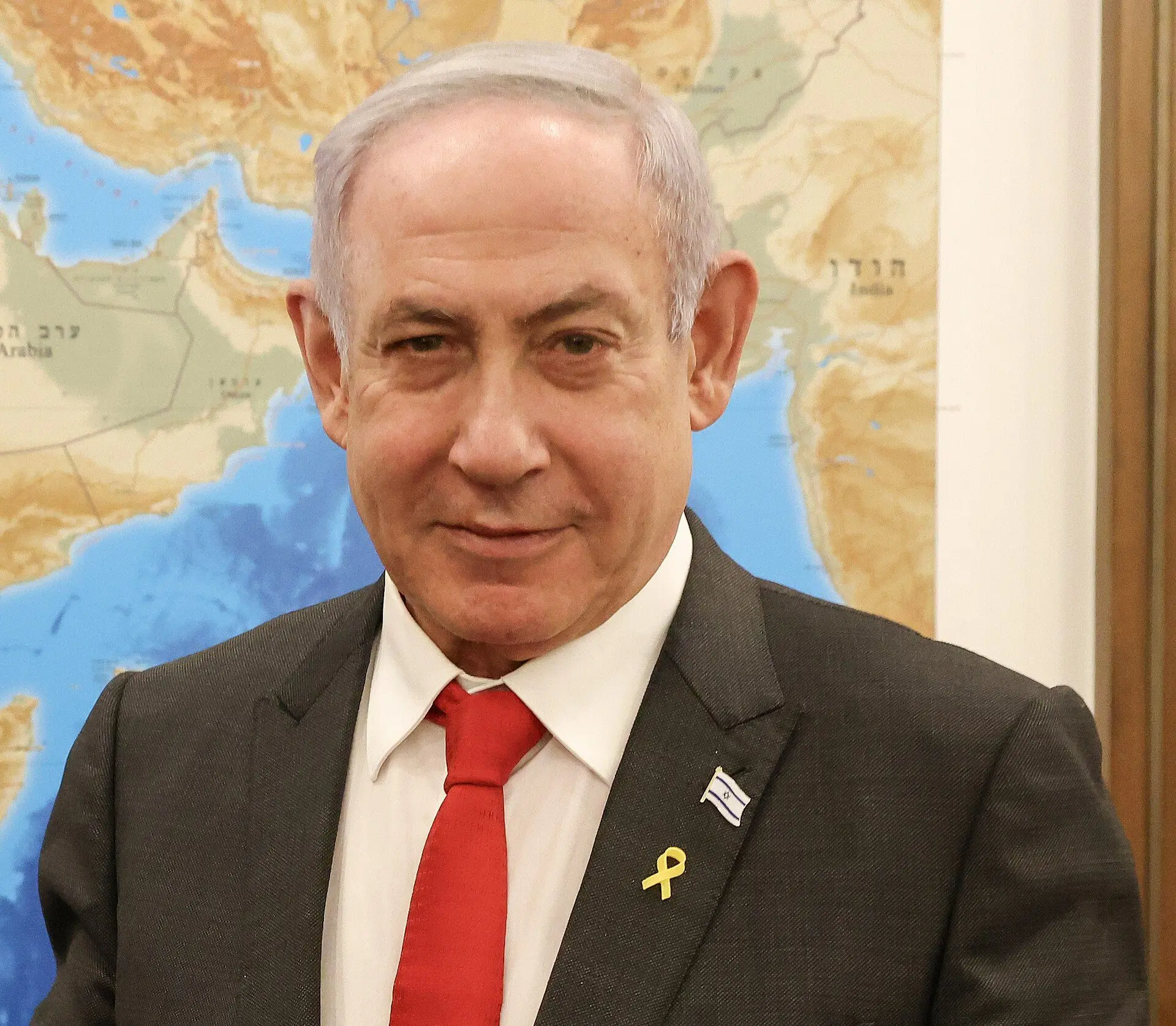
Negotiations aimed at establishing a national unity government in Israel collapsed on Sunday after a two-hour discussion between incumbent Prime Minister Benjamin Netanyahu and opposition leader Gadi Eisenkot in Tel Aviv. The meeting at the Kirya military headquarters, which included a security briefing and participation from mediator Ron Dermer, failed to bridge substantial differences between the two sides. Consequently, no further meetings are scheduled between the negotiating teams, leaving Eisenkot to pursue alternative paths to form a ruling coalition before his mandate expires.
Background and Rotation Proposal
The high-level discussions followed an unexpected proposal from Netanyahu on Saturday, in which he offered to serve second in a rotation agreement, allowing Eisenkot to lead the potential unity government initially. This offer was intended to break the ongoing political deadlock resulting from the inconclusive October 27 election, which left neither leader with a definitive parliamentary majority. In response to the overture, Eisenkot had invited Likud to fast-track negotiations over a 24-hour period to test the seriousness of the proposal. However, severe strategic divisions and resistance from within Eisenkot's own political bloc prevented any formal power-sharing agreement from being reached.
Sticking Points and Alternative Coalitions
Several major obstacles contributed to the breakdown of the unity talks, including disagreements over security policies regarding Iran and opposition demands for a state commission of inquiry into the October 7, 2023, Hamas attacks. Furthermore, key partners in Eisenkot's bloc, such as Avigdor Liberman and Yair Golan, opposed entering a coalition with Netanyahu, while former Prime Minister Naftali Bennett's B'Yachad party faced internal friction over military conscription exemptions for ultra-Orthodox Jews. With the unity option exhausted, Eisenkot is now focusing on building a government with his existing partners, including the 48 seats held by his bloc, alongside potential external support from ultra-Orthodox factions like United Torah Judaism and the Arab Ra’am party.
Mandate Timeline and Next Steps
President Isaac Herzog tasked Gadi Eisenkot with forming a government on November 8, setting a strict deadline of December 6 to complete the process before requiring a possible 14-day extension. Eisenkot is reportedly weighing options that include swearing in a streamlined cabinet consisting of five or six opposition party leaders as early as this week, while continuing parallel discussions to broaden his parliamentary backing. As political uncertainty continues to loom over the 120-member Knesset, the failure of the Netanyahu-Eisenkot meeting leaves the incumbent prime minister's Likud alliance with 53 seats and forces the opposition leader to seek alternative majorities to secure the required 61-seat threshold.
- The Sunday meeting at the Kirya military headquarters in Tel Aviv failed to produce a unity government agreement between Netanyahu and Eisenkot.
- Netanyahu's proposal to serve second in a rotation agreement faced resistance from opposition leaders and internal members of Eisenkot's bloc.
- Eisenkot is now focusing on alternative coalition options to reach the 61-seat majority threshold in the 120-member Knesset before his December 6 deadline.
Spotted an error? · Our editorial policy
UP NEXTAishwarya Sharma and Neil Bhatt Face Fresh Separation Rumours After Instagram ChangesOther angles · #Benjamin Netanyahu
Timeline →- NewsNetanyahu and Eisenkot Meet in Tel Aviv Amid Coalition Talks and December Deadline
- NewsNetanyahu and Eisenkot Set Face-to-Face Talks Amid Premiership Rotation Dispute
- NewsIsrael’s Political Deadlock: Eisenkot Sets 24-Hour Deadline for Netanyahu’s Unity Talks
- NewsNetanyahu Proposes Rotational Premiership with Eisenkot Amidst Coalition Impasse
More from World Politics
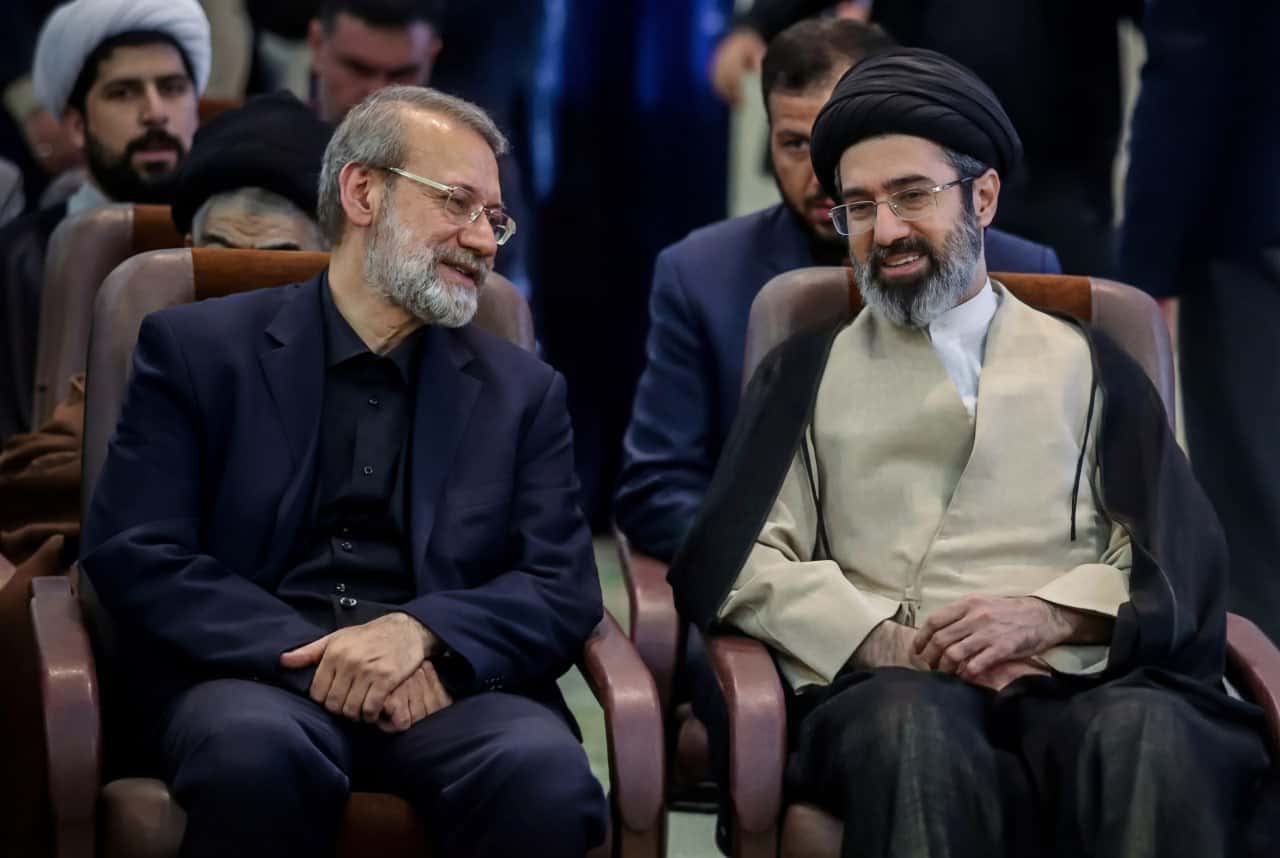
Iran Pursues Intelligence Overhaul and Leadership Reset Amid Ongoing Security Pressures
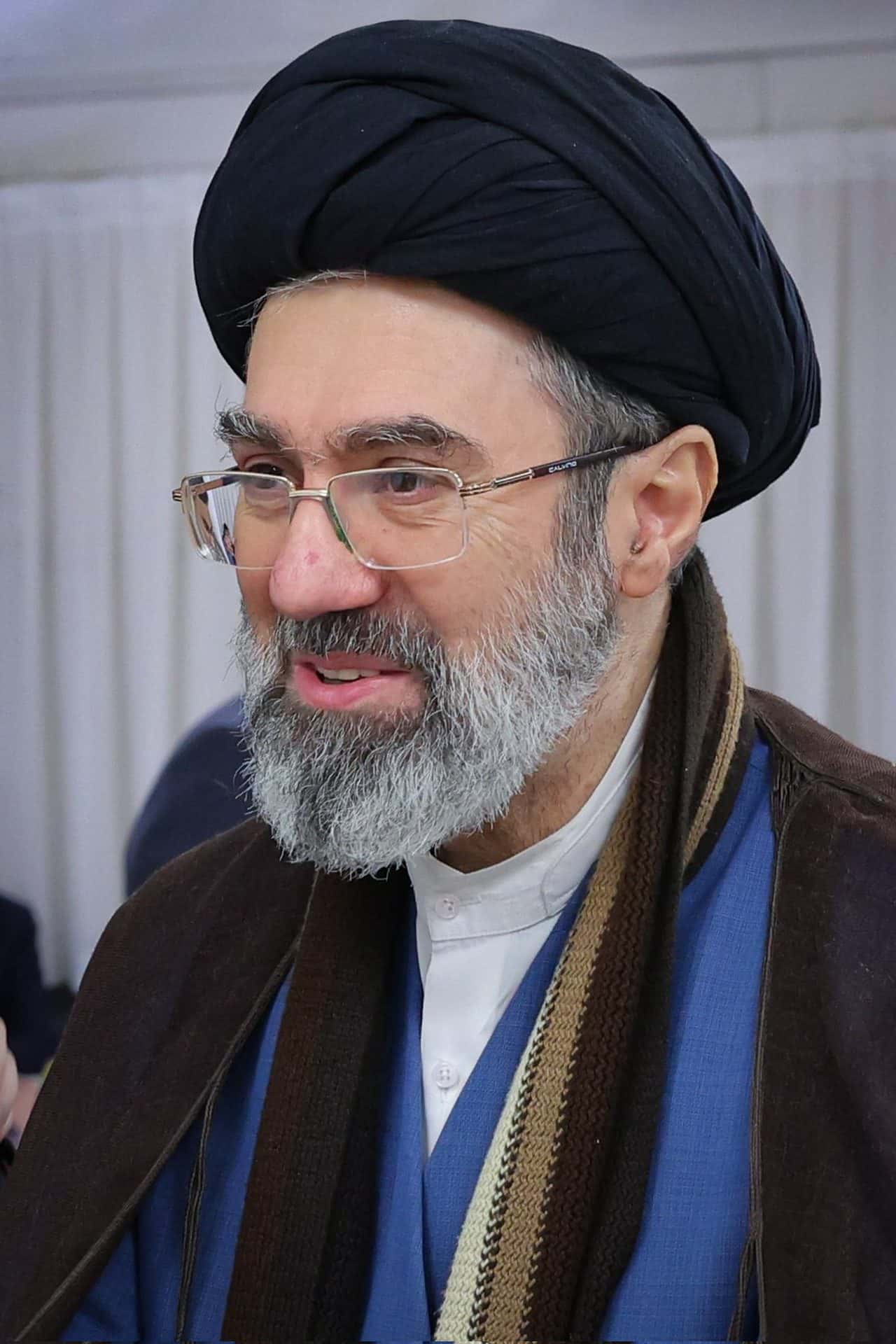
Iran’s Supreme Leader Directs Major Intelligence Overhaul Following Security Lapses
Violence erupts in Bangladesh as Hasina’s supporters clash with rivals ahead of planned return