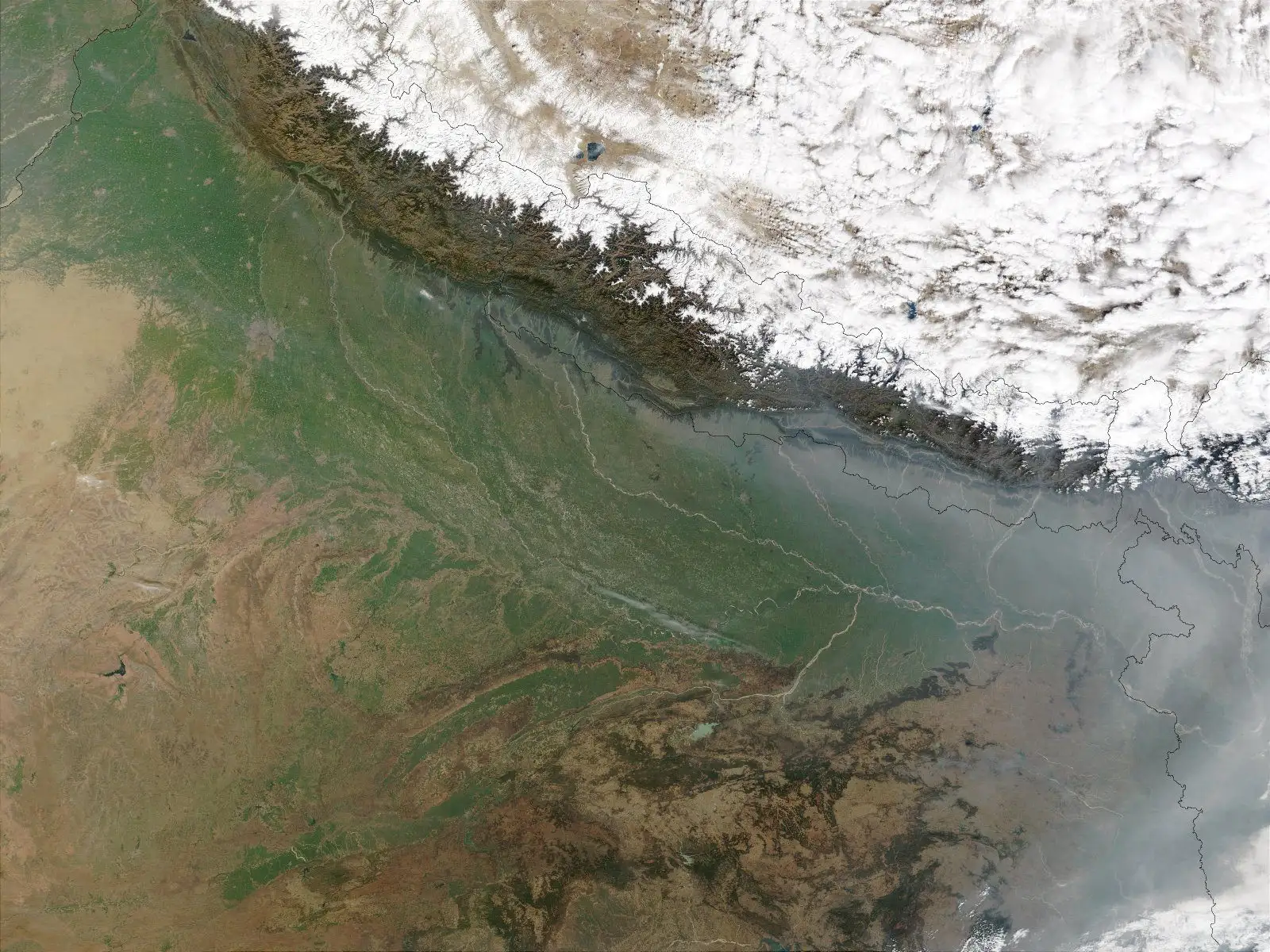
Delhi Air Quality Drops to Very Poor Following Two Weeks of Moderate Improvement
Delhi’s 24-hour average Air Quality Index reached 311 on Sunday, entering the ‘very poor’ band for the first time in nearly a fortnight due to low wind speeds and atmospheric conditions.

- Delhi's 24-hour average AQI settled at 311 on Sunday, entering the 'very poor' category after nearly two weeks.
- Chandni Chowk recorded the worst air quality with an AQI of 410, while Lodhi Road stayed moderate at 191.
- Vehicular emissions contributed 28.4 percent to the PM2.5 load, followed by secondary organic aerosols and waste burning.
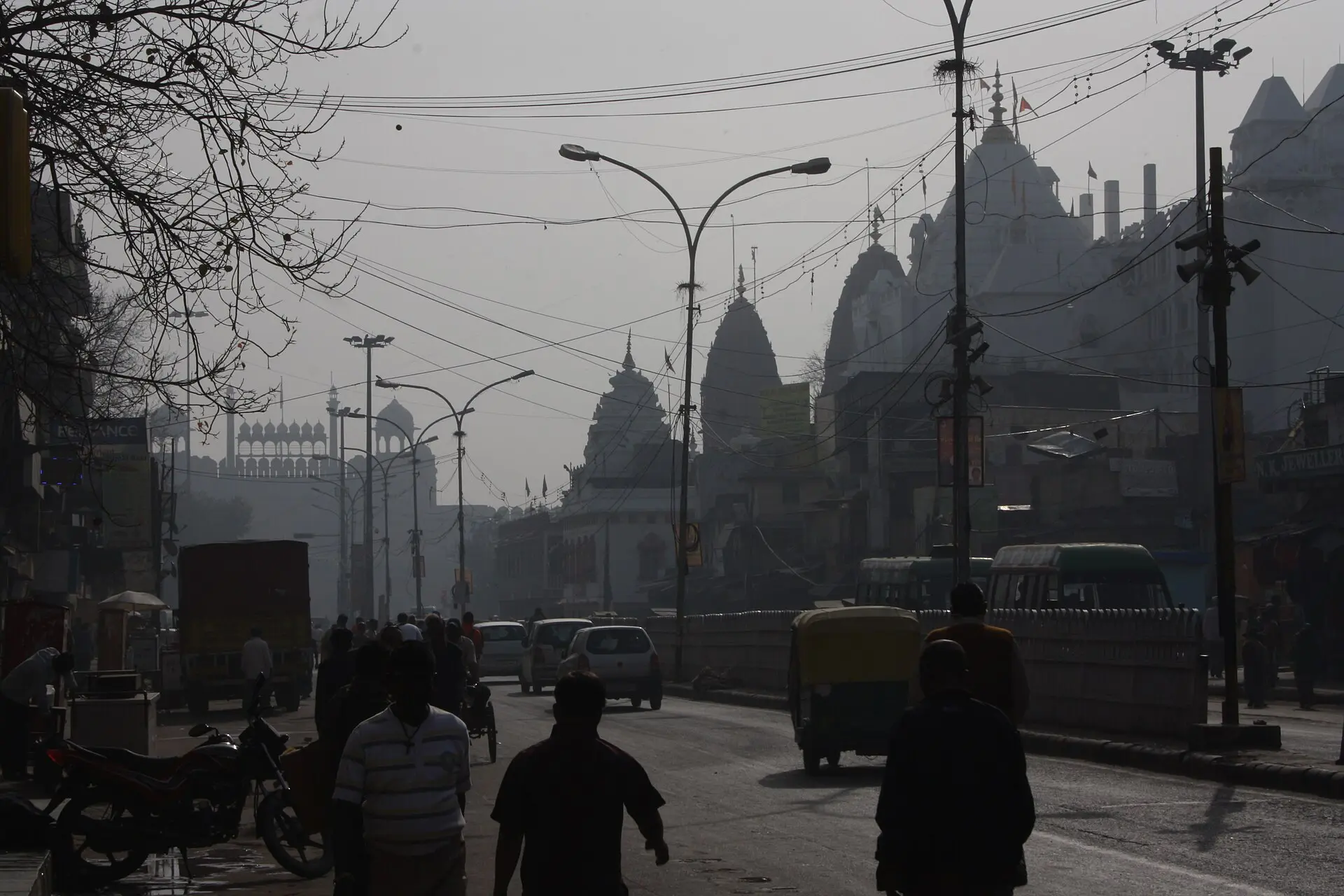
Delhi experienced a notable decline in atmospheric cleanliness on Sunday, as the Central Pollution Control Board reported a 24-hour average Air Quality Index reading of 311. This shift pushed the national capital back into the 'very poor' bracket following a span of nearly two weeks where overall conditions remained within the 'poor' category. Weather specialists pointed out that reduced wind speeds limited the natural dispersal of air pollutants, creating a hazy morning across the urban landscape.
Monitoring Station Readings and Pollution Sources
Out of 59 active monitoring stations spread across the city, 32 units registered readings in the 'poor' category, while 25 units fell into the 'very poor' band. Only a single station remained at the 'moderate' level, and another single station touched the 'severe' classification. Chandni Chowk emerged as the most affected area with an AQI of 410, whereas Lodhi Road maintained a relatively better status with a moderate AQI of 191. Fine particulate matter measuring 2.5 micrometres or less served as the primary pollutant, capable of entering deep human lung tissue and the bloodstream. Real-time source apportionment estimates indicated that vehicular emissions contributed 28.4 percent of the estimated PM2.5 load, followed by secondary organic aerosols at 21.1 percent, waste burning at 15.5 percent, biomass burning at 15 percent, and secondary inorganic pollutants at 12.4 percent.
Meteorological Factors and Temperature Trends
The diurnal temperature pattern on Sunday showed a maximum temperature of 26.6 degrees Celsius, marking 0.6 notches above the seasonal norm, while the minimum temperature touched 10.7 degrees Celsius, or 0.4 notches above average. The India Meteorological Department recorded a maximum mixing depth of 1,300 metres and a ventilation index of 2,500 square metres per second. Meteorological officials explain that a ventilation index trailing below 6,000 square metres per second, combined with average wind speeds dropping under 10 kilometres per hour, creates unfavorable conditions for pollutant dispersion. Furthermore, restricted vertical mixing keeps pollutants concentrated closer to the ground surface.
Historical Fluctuations and Weather Forecasts
Prior to this deterioration, Delhi's air quality had last breached into the 'very poor' zone on November 14 with an AQI of 367, before recovering to 290 on November 15 and dropping to 204 on November 17. Subsequent fluctuations saw readings climb to 280 on November 19, decline to 239 on November 22, and register 293 on Saturday before worsening to Sunday's 311 figure. Looking ahead, the weather office anticipates moderate fog for Monday alongside maximum and minimum temperatures hovering around 25 and 11 degrees Celsius respectively. The Air Quality Early Warning System projects that air pollution levels may persist in the 'very poor' tier through November 30, with mixing depths expected around 1,500 metres and a ventilation index of 3,000 square metres per second, before experiencing an anticipated improvement to the 'poor' category between December 1 and December 2.
- AQI reached 311 on Sunday, classifying as 'very poor'.
- Vehicular emissions and secondary organic aerosols are the primary PM2.5 contributors.
- Low wind speeds and reduced mixing depths prevented pollutant dispersal.
- Delhi experienced a notable decline in atmospheric cleanliness on Sunday, as the Central Pollution Control Board reported a 24-hour average Air Quality Index reading of 311.
Spotted an error? · Our editorial policy
UP NEXTNetanyahu and Eisenkot Unity Government Talks Stall Amid Policy Differences and Coalition FrictionOther angles · #air pollution
Timeline →- NewsMedical Experts Report Rising Lung Cancer Diagnoses Amid Delhi Pollution Crisis
- NewsKerala Appoints Committee to Investigate Air Quality Discrepancies in Major Cities
- NewsSupreme Court Considers Strict BS-VI Vehicle Mandate for Delhi-NCR Amid Winter Pollution Hearings
- NewsCAQM Introduces District-Level Plans and 2027 Pollution Reduction Targets for Delhi-NCR
More from Environment
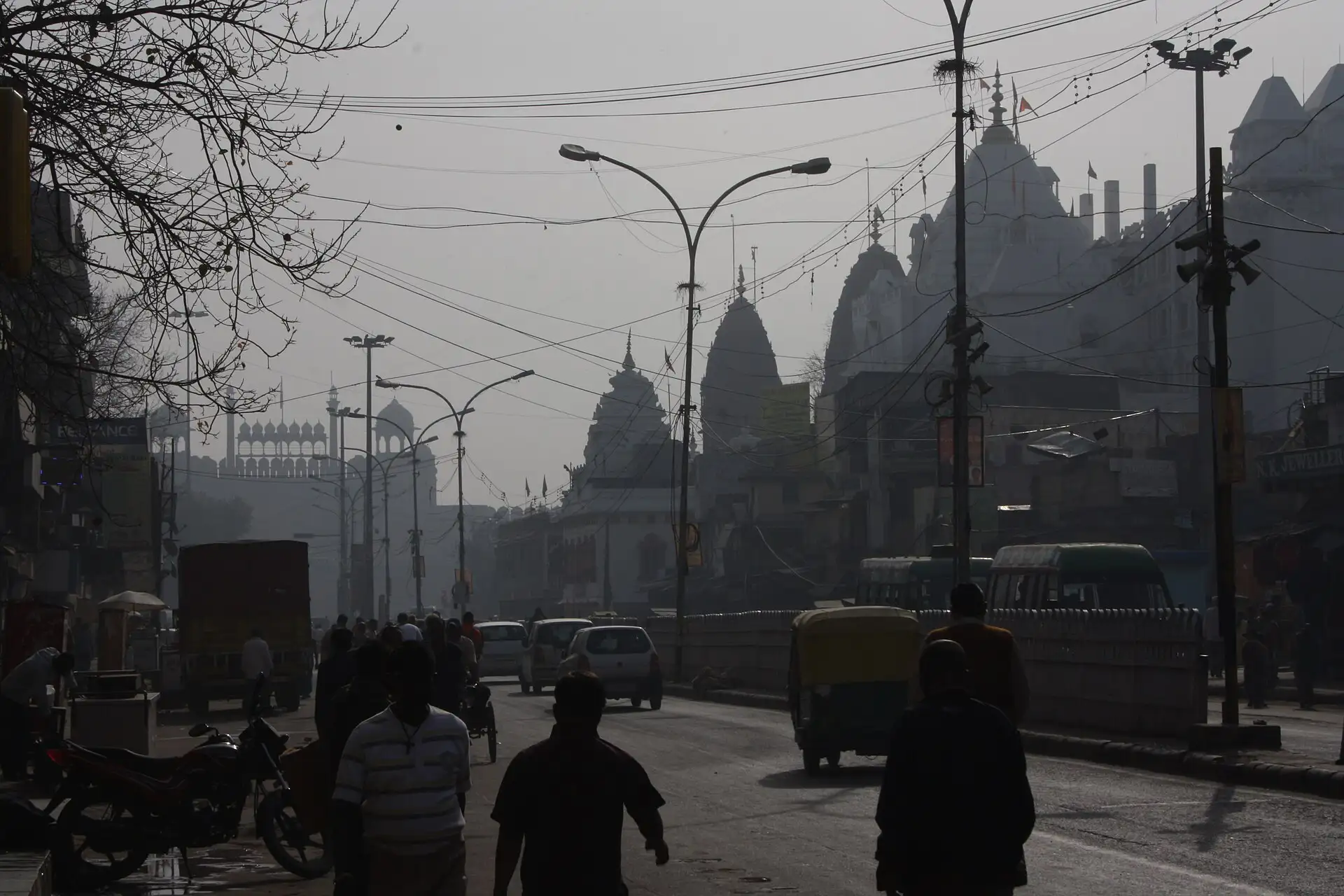
Delhi Air Quality Slips to Very Poor Bracket as Reduced Wind Speeds Trap Pollutants
Temperature to Dip as Jharkhand Prepares for Winter Chill and Morning Fog
National Green Tribunal Flags Organic Pollution at Ashwani Khad in Shimla