Iran’s Supreme Leader Directs Major Intelligence Overhaul Following Security Lapses
Ayatollah Mojtaba Khamenei has directed a restructuring of Iran’s intelligence framework, as announced by parliamentary speaker Mohammad Baqer Qalibaf.

- Supreme Leader Ayatollah Mojtaba Khamenei ordered an intelligence system shake-up following security gaps.
- Parliamentary speaker Mohammad Baqer Qalibaf urged swift appointment of a permanent minister after Guardian Council review.
- The intelligence minister post has been vacant since Esmail Khatib was killed in an Israeli strike on March 18.
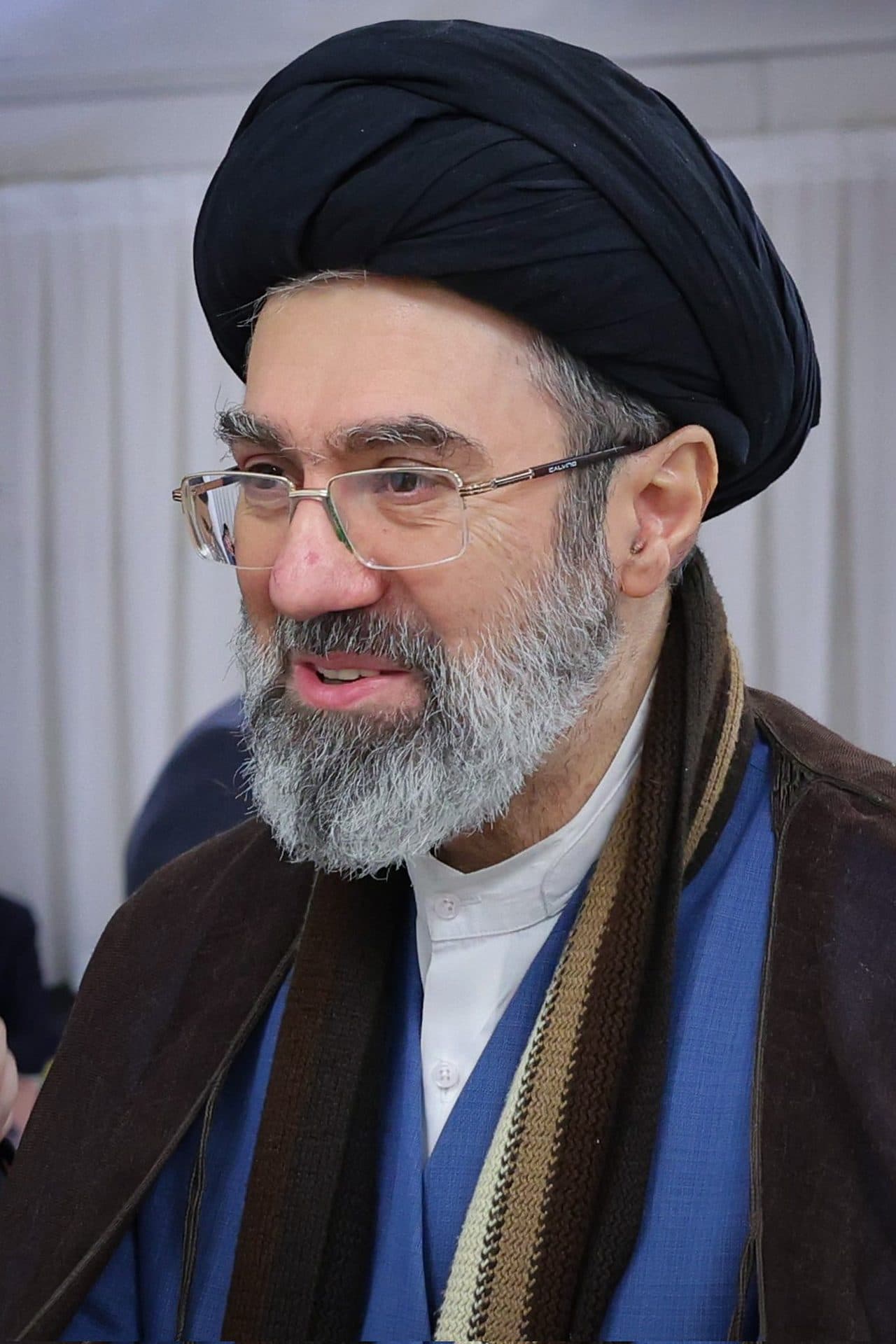
A comprehensive restructuring of Iran's intelligence apparatus has been mandated by Supreme Leader Ayatollah Mojtaba Khamenei, according to an announcement made by parliamentary speaker Mohammad Baqer Qalibaf. This legislative push follows a series of high-profile security failures in recent years that laid bare significant vulnerabilities within Tehran's defensive structures. Speaking in a video published on Telegram, Qalibaf urged the administration to promptly name a permanent minister immediately after the constitutional watchdog body, the Guardian Council, completes its review of the reform legislation.
Legislative Action and Leadership Vacuum
The position of intelligence minister has remained vacant since the death of Esmail Khatib, who was killed during an Israeli military strike on March 18. Khatib, a hardline cleric who previously served in the office of former Supreme Leader Ayatollah Ali Khamenei, had led the civilian intelligence agency beginning in August 2021. The former supreme leader, who was Mojtaba Khamenei's father, died during joint US-Israeli strikes at the onset of the conflict.
Context of Security Breaches
Tehran's intelligence network faced intense scrutiny following multiple covert operations attributed to foreign adversaries, including the 2020 assassination of nuclear scientist Mohsen Fakhrizadeh and the 2024 killing of Hamas leader Ismail Haniyeh inside the capital. These vulnerabilities were further laid bare during a 12-day conflict in June 2025, when local operatives aided in pinpointing air defense systems, missile batteries, and top military officials.
Parliamentary Reforms and Qualifications
Qalibaf stated that lawmakers initiated their own legislative drafting process after the executive branch delayed submitting a requested restructuring proposal. Parliament advanced the general framework of the bill and began evaluating specific clauses that modify the qualifications for heading the intelligence ministry. Under the updated provisions, candidates are no longer strictly required to be clerics; eligible individuals can now include non-clerical applicants holding a master's degree, specialized intelligence expertise, and a minimum of 10 years in senior or middle management, alongside traditional candidates qualified in independent Islamic legal reasoning.
- Iran's intelligence apparatus is undergoing a major legislative restructuring directed by Supreme Leader Ayatollah Mojtaba Khamenei.
- The intelligence ministry has lacked a permanent leader since the death of Esmail Khatib in March.
- New parliamentary provisions will allow non-clerical candidates with appropriate master's degrees and management experience to qualify for the ministerial post.
- A comprehensive restructuring of Iran's intelligence apparatus has been mandated by Supreme Leader Ayatollah Mojtaba Khamenei, according to an announcement made by parliamentary speaker Mohammad Baqer Qalibaf.
Spotted an error? · Our editorial policy
UP NEXTNCP (SP) MLA Rohit Pawar Urges Supriya Sule to Oppose Proposed Delimitation BillSwipe more stories · World PoliticsQuick cards, a few lines each. Tap to open.More from World Politics
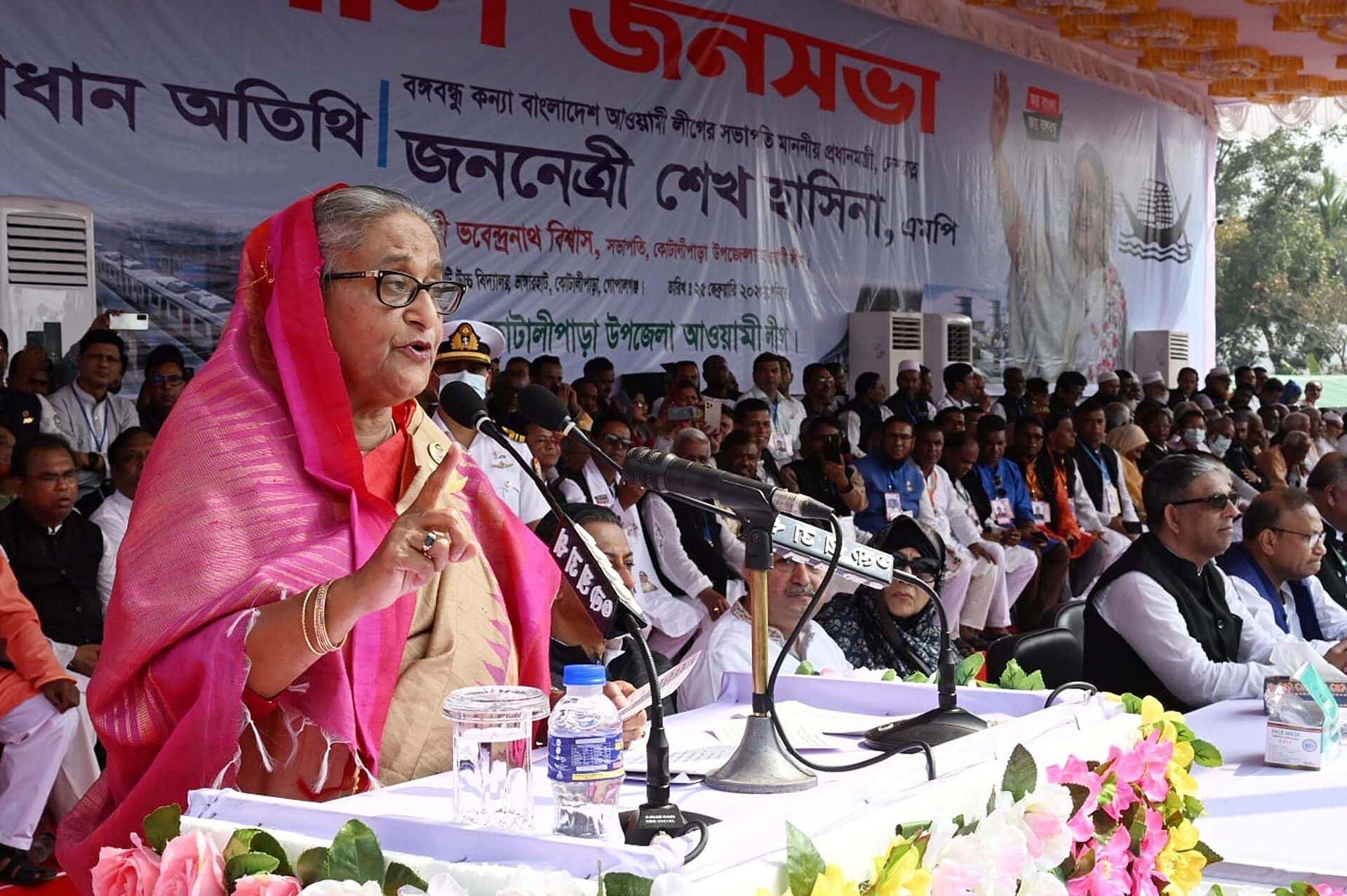
Violence erupts in Bangladesh as Hasina’s supporters clash with rivals ahead of planned return
Netanyahu and Eisenkot Meet in Tel Aviv Amid Coalition Talks and December Deadline
Sheikh Hasina Claims Bangladesh Would Face Pakistani Military Rule Without 1971 Liberation War