Israel’s Political Deadlock: Eisenkot Sets 24-Hour Deadline for Netanyahu’s Unity Talks
Centrist Yashar leader Gadi Eisenkot has given Likud 24 hours to prove the seriousness of a proposed national unity government after caretaker Prime Minister Benjamin Netanyahu offered him the premiership in a rotation arrangement.

- Gadi Eisenkot gave Likud 24 hours to prove the seriousness of a proposed national unity government.
- Benjamin Netanyahu offered to serve as alternate prime minister in a rotation, allowing Eisenkot to take the top post first.
- Neither political bloc secured the 61-seat majority required in the 120-member Knesset following the October 27 election.

Israel's political landscape remains deadlocked following the October 27 general election, which left both major political blocs short of the 61-seat majority required to govern the 120-member Knesset. Caretaker Prime Minister Benjamin Netanyahu's right-wing and religious bloc secured 53 seats, consisting of 27 for Likud, seven for United Torah Judaism, seven for Otzma Yehudit, six for Shas, and six for Religious Zionism, leaving him eight seats short. Meanwhile, the Zionist opposition bloc led by Gadi Eisenkot captured 48 seats, comprising 21 for Yashar, 12 for Naftali Bennett and Yair Lapid's Beyachad faction, eight for The Democrats, and seven for Yisrael Beytenu. This left Eisenkot 13 seats shy of a majority without partnering with Likud or relying on outside support from Arab-led parties, which won a combined 19 seats through the Joint List holding 11 and Ra'am holding 8.
President Isaac Herzog subsequently held consultations with Knesset representatives and gave Eisenkot the first opportunity to form a government on November 8, handing him a 28-day mandate with a possible 14-day extension, setting a deadline of December 6. A total of 67 lawmakers recommended Eisenkot for the position of Prime Minister, compared to 48 backing Netanyahu, while the seven lawmakers belonging to United Torah Judaism did not recommend either candidate. As Eisenkot's efforts to assemble an alternative coalition gained momentum, Netanyahu announced a shift in his stance, offering for the first time to serve as alternate prime minister while allowing Eisenkot to take the top post at the beginning of a proposed rotation arrangement. Netanyahu stated that existential security challenges required him to set aside the principle that the largest party should lead, calling for immediate, sincere negotiations to establish a national unity government.
Eisenkot's Response and Conditions
Responding publicly, 66-year-old former IDF general and Yashar party leader Gadi Eisenkot stated he was willing to examine the seriousness of Netanyahu's offer over a 24-hour period. Eisenkot invited Netanyahu and his negotiating team to join him at the Dan Accadia Hotel in Herzliya for accelerated discussions on basic guidelines and policy issues. Eisenkot noted that his team had been attempting to conduct genuine negotiations for about three weeks but had encountered refusals and evasions from Likud. He asserted that a detailed proposal, which included significant compromises on substantive issues, had been conveyed to Netanyahu on the preceding Sunday through a secret channel established at the Prime Minister's request, yet had received no response.
Eisenkot emphasized his commitment to building a government representing all Israeli citizens, stating that the necessary unity is rooted in values and social solidarity. He has also briefed leaders of the change bloc parties, including Yisrael Beytenu, B'Yachad, and The Democrats, on the latest developments. Political figures outside the immediate negotiations responded critically to Netanyahu's proposal, with Yair Golan of The Democrats dismissing it as tricks and games, and Yair Lapid describing it as a transparent con by a serial fraudster and asserting that negotiations to expand a government could only follow the swearing-in of an administration headed by Eisenkot. Avigdor Liberman had previously cautioned that such a rotation offer would amount to a political maneuver.
Security Arguments and Broader Political Reactions
In his public address, Netanyahu argued that a broad coalition was necessary to confront immediate threats to national existence and claimed that many citizens had approached him expressing a desire for unity following recent court proceedings in his criminal trial and parliamentary disruptions. Netanyahu referenced remarks by Judge Rivka Friedman-Feldman concerning Cases 4000 and 2000, along with the possibility of an agreement in Case 1000. He also criticized Knesset proceedings, alleging disrespect toward national symbols, veterans with combat trauma, and bereaved families, while pointing to the defeat of a bill aimed at preventing the return of terrorists' bodies following demands by Ra'am and the Joint List. Netanyahu argued against relying on Arab-led parties, claiming their participation would threaten security, territorial integrity, and citizenship policies.
Furthermore, Netanyahu stated that any unity government would need to reach understandings with ultra-Orthodox partners regarding military conscription and Torah study. The political impasse continues to hinge on whether the rival factions can reconcile deep divisions over coalition partners, policy guidelines, and leadership structures before the looming mandate expiration. While Netanyahu continues to function as caretaker Prime Minister, Eisenkot maintains that his proposed government guidelines have already been formulated to serve as a baseline for any future administration he leads.
- Eisenkot invited Netanyahu's team for accelerated negotiations at the Dan Accadia Hotel in Herzliya based on a prior detailed proposal.
- Netanyahu cited existential security threats as the reason to set aside the principle that the largest party must lead.
- Eisenkot holds a 28-day mandate from President Isaac Herzog to form a government ahead of the December 6 deadline.
Spotted an error? · Our editorial policy
UP NEXT57th International Film Festival of India Concludes in Goa with Global AwardsOther angles · #Benjamin Netanyahu
Timeline →- NewsNetanyahu Proposes Rotational Premiership with Eisenkot Amidst Coalition Impasse
- NewsIsraeli Prime Minister Netanyahu proposes rotation deal to rival Gadi Eisenkot amid coalition talks
- NewsIsraeli Caretaker Premier Netanyahu Proposes Rotation Deal to Gadi Eisenkot
- NewsIsrael Threatens Southern Evacuation of One Million Gazans Amid Ongoing Military Operations
More from World Politics
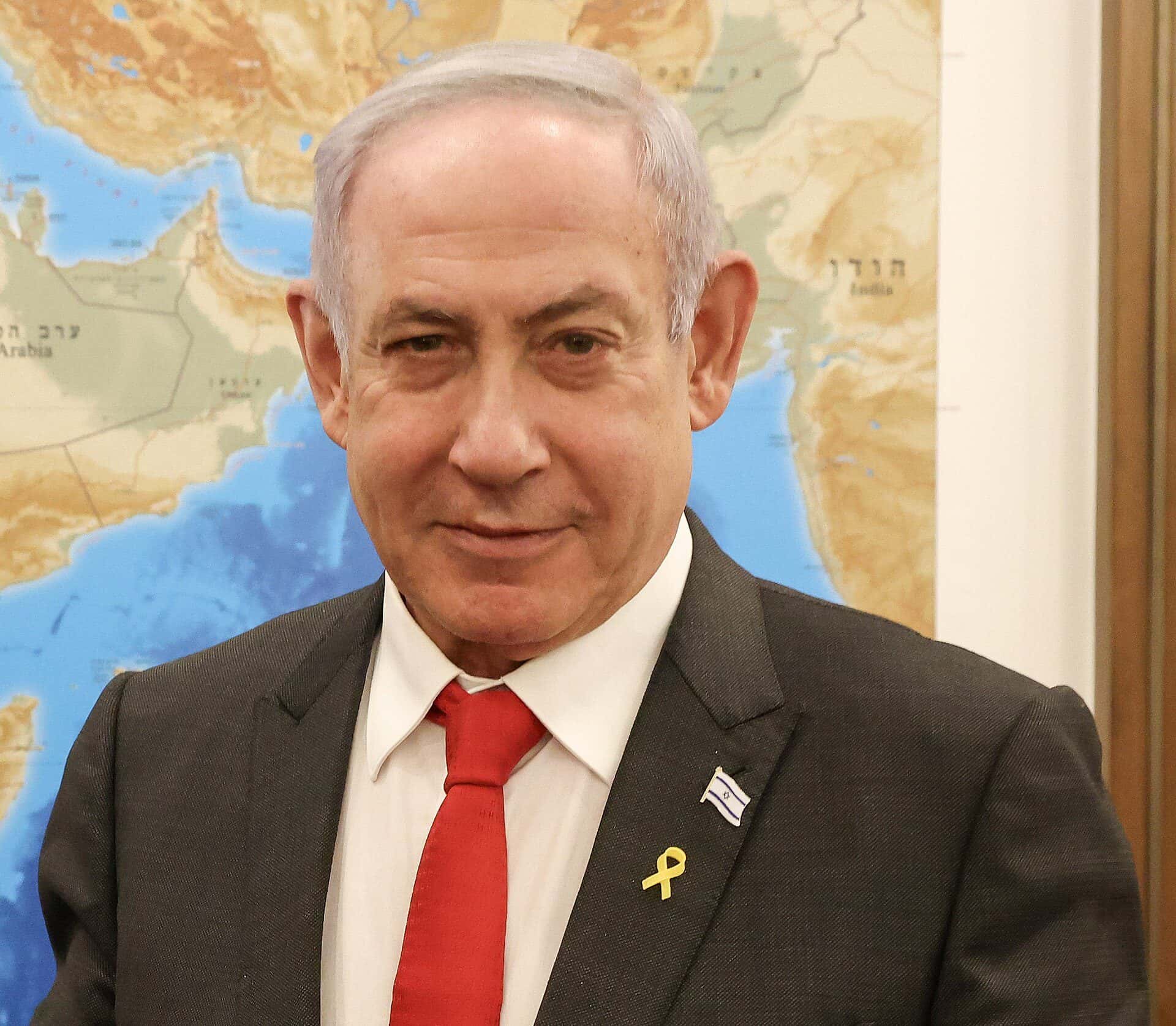
Netanyahu Proposes Rotational Premiership with Eisenkot Amidst Coalition Impasse
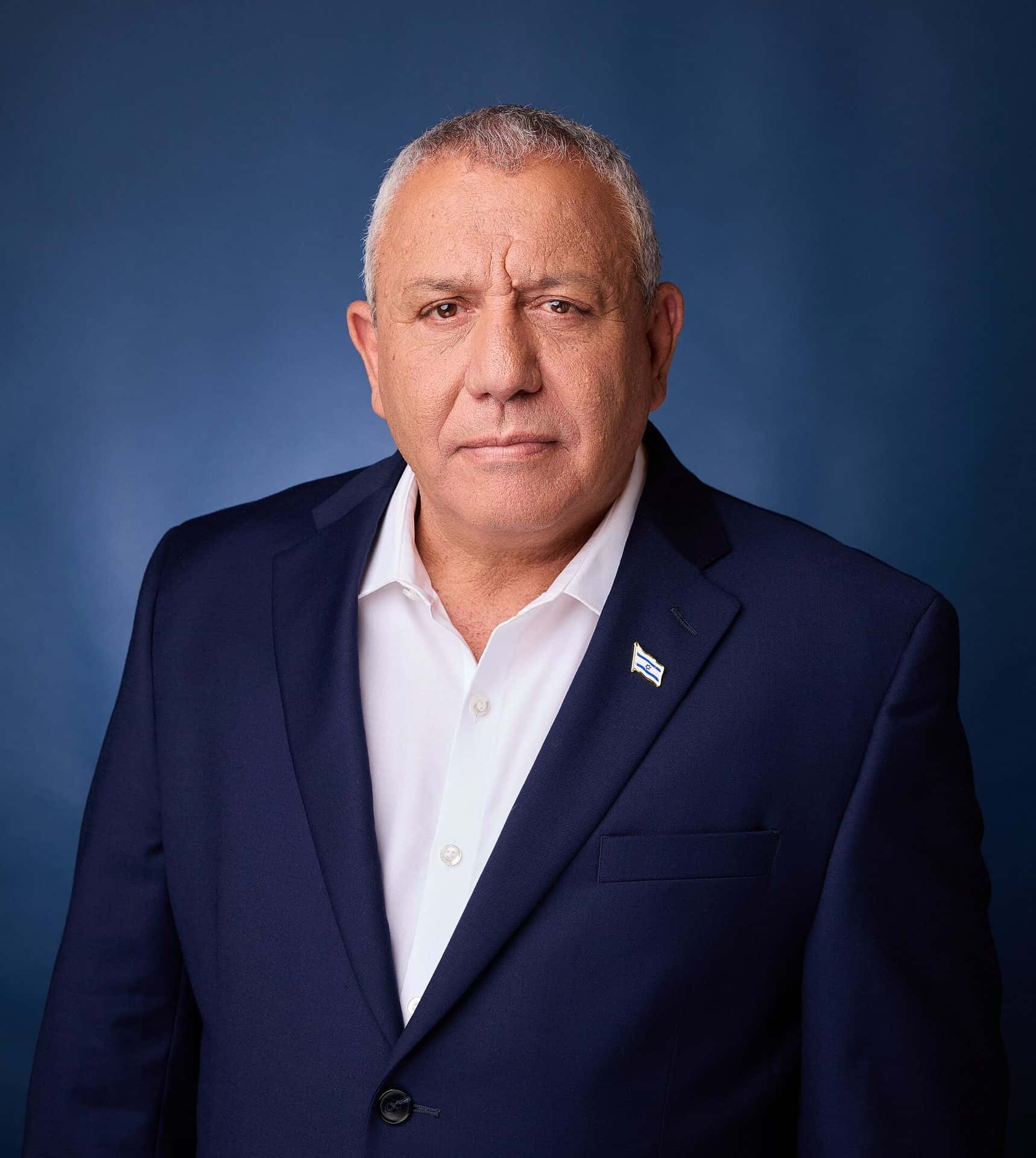
Israeli Prime Minister Netanyahu proposes rotation deal to rival Gadi Eisenkot amid coalition talks
Student-Led Demonstrations Turn Violent in Albania Amid Calls for Prime Minister’s Resignation