New Study Finds Residential Cooking Is Top PM2.5 Source in Indo-Gangetic Plain
A study released by the Council on Energy, Environment and Water indicates that cooking with solid fuels is the primary contributor to PM2.5 emissions in heavily polluted zones of the Indo-Gangetic Plain.

- Cooking with firewood, dung cakes and coal is the primary source of primary PM2.5 emissions in heavily polluted areas of the Indo-Gangetic Plain.
- The practice contributes 36 to 49 percent of total primary PM2.5 emissions across a region stretching from Punjab to West Bengal.
- The Pradhan Mantri Ujjwala Yojana helped avert 15 percent of India's household PM2.5 emissions in the 2025-2026 financial year.
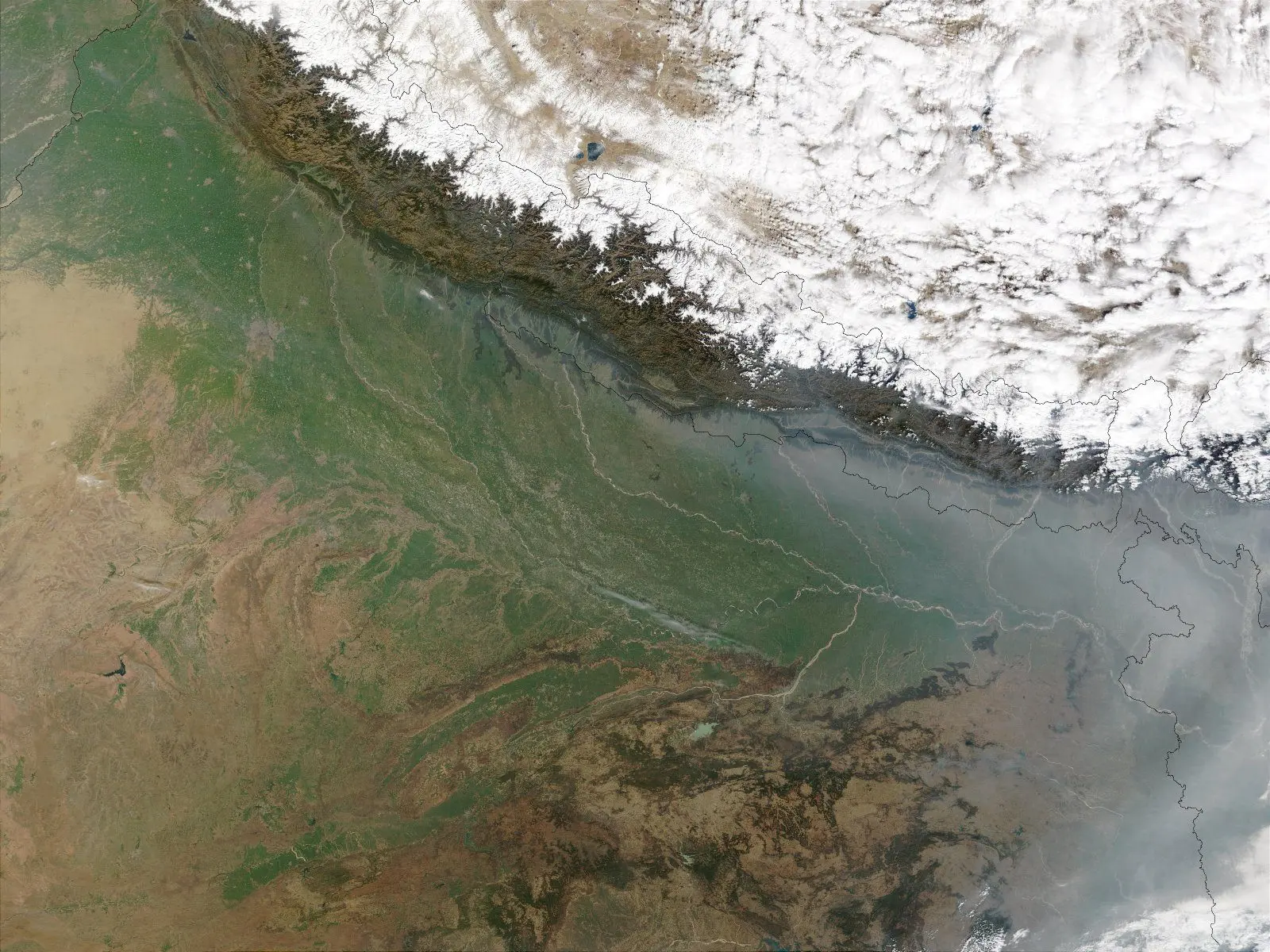
A recent assessment published by the Council on Energy, Environment and Water identifies traditional residential cooking methods as the leading contributor to primary fine particulate matter emissions across the severely polluted segments of the Indo-Gangetic Plain. The study notes that burning materials such as firewood, cow dung cakes, and coal accounts for between 36 and 49 percent of primary PM2.5 emissions in these heavily impacted regions. This geographic belt spans eastward from Punjab, traversing Haryana, the National Capital Region of Delhi, Uttar Pradesh, and Bihar, before terminating in West Bengal. The findings were released during a period when the Delhi-National Capital Region continues to grapple with severe air quality deterioration, a time when public and policy discussions frequently center on seasonal factors like crop residue burning and firecracker use.
Impact of the Pradhan Mantri Ujjwala Yojana and Persistent Challenges
The research emphasizes that the contribution of domestic cooking to particulate pollution remains elevated despite widespread implementation of the Pradhan Mantri Ujjwala Yojana. Established in May 2016, this government initiative was designed to furnish liquefied petroleum gas connections without charge to lower-income households. According to the assessment figures, the program successfully prevented 15 percent of household-level particulate emissions across India throughout the 2025-2026 financial year. Explaining the ongoing reliance on solid biomass, Abhishek Kar, a research fellow at the organization, stated in an official release that numerous households continue to utilize firewood alongside liquefied petroleum gas because purchasing subsequent fuel refills presents a financial hurdle.
Seasonal Trends and Proposed Mitigations
The investigation points out that domestic combustion occurs continuously throughout the year but intensifies during winter months due to additional fuel consumption for space heating. Because cooking activities consume roughly 80 percent of total household energy, shifting entirely away from pollutant-heavy fuels represents the primary pathway for eliminating residential emissions. To address affordability barriers during high-pollution periods, the research proposes introducing a winter subsidy top-up for the liquefied petroleum gas scheme to keep refills accessible when air quality plunges. Additionally, the analysis suggests that the country's network of more than 25,000 distributors should offer discounted rates on certified electric pressure cookers and induction cooktops to families that relinquish two of their four subsidized gas cylinders.
- Traditional cooking fuels account for up to 49 percent of primary PM2.5 emissions in polluted parts of the Indo-Gangetic Plain.
- Residential combustion increases during winter as families burn additional fuel for warmth.
- Researchers recommend winter refill subsidies and discounted electric cooking appliances through the existing distributor network.
Spotted an error? · Our editorial policy
UP NEXTGovernment Proposes New Delimitation Legislation to Implement Women’s ReservationOther angles · #air quality
Timeline →More from Environment
Temperature to Dip as Jharkhand Prepares for Winter Chill and Morning Fog
National Green Tribunal Flags Organic Pollution at Ashwani Khad in Shimla
Chinnakanal Resident Views Elephant as Guardian Amid Failed Capture Bid