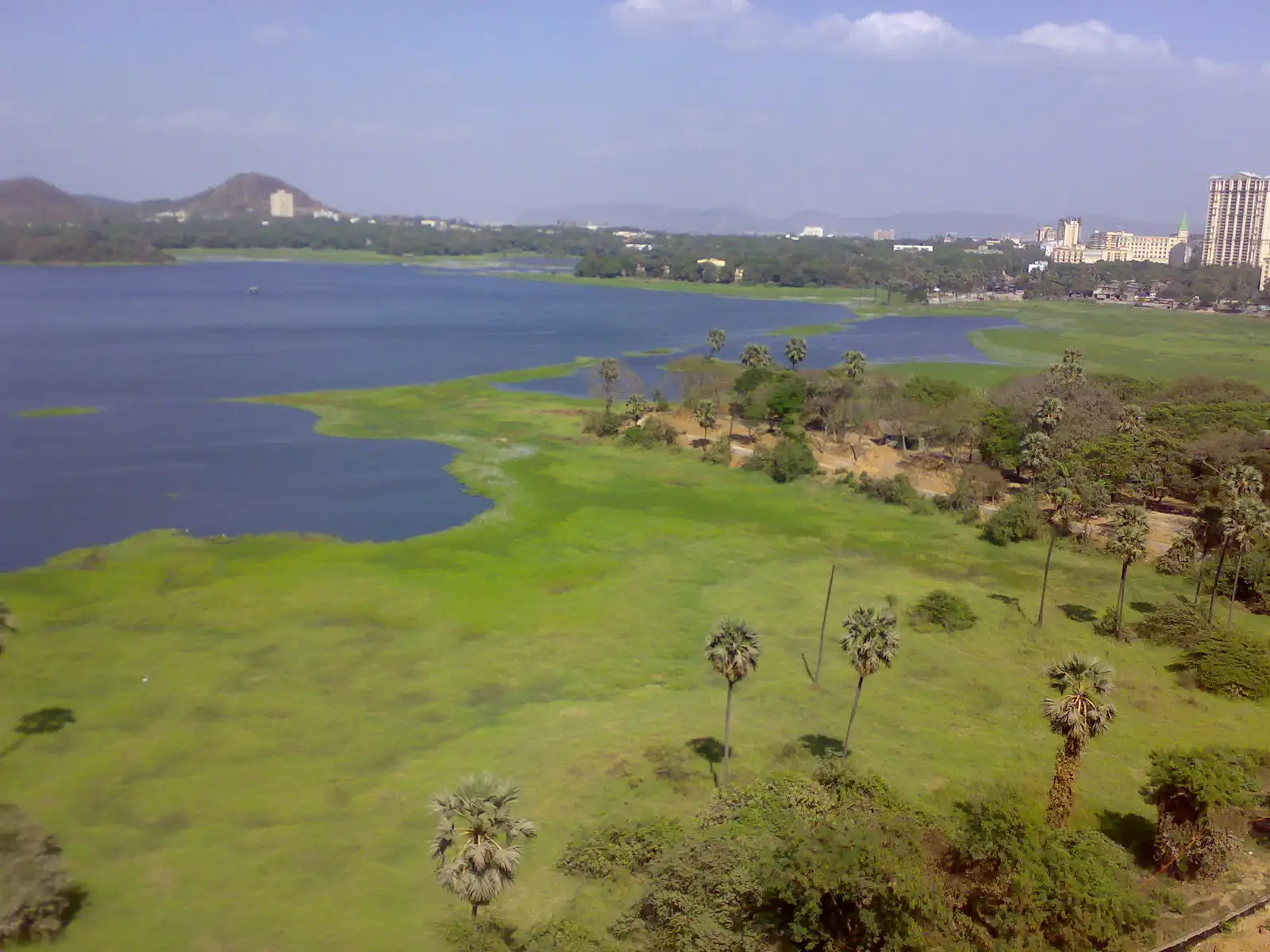
National Green Tribunal Flags Organic Pollution at Ashwani Khad in Shimla
The National Green Tribunal has identified high organic pollution at two specific points along Ashwani Khad in Shimla and instructed state authorities to continue investigating the discharge sources.

- National Green Tribunal flagged high organic pollution at two locations along Ashwani Khad in Shimla.
- Lift Nullah samples at Combermere and near a waste processing site recorded elevated biochemical oxygen demand levels of 22.4 mg/L and 16 mg/L.
- Tribunal directed state pollution control board and local authorities to file progress reports and continue investigating discharge sources.
The National Green Tribunal has flagged elevated levels of organic pollution at two specific monitoring sites along Ashwani Khad and its tributary streams near Shimla. A principal bench comprising Chairperson Justice Prakash Shrivastava and expert member Dr Afroz Ahmad reviewed the matter following an earlier media report regarding contamination in the river system. The tribunal instructed the Himachal Pradesh State Pollution Control Board to persist with its source-identification exercises and take regulatory action wherever unauthorized wastewater discharges are established.
Water Quality Findings and Monitoring Results
The state pollution control board submitted a comprehensive evaluation report detailing water samples collected from 25 separate monitoring locations across various streams and stretches of the catchment area. While 23 of these sites recorded biochemical oxygen demand concentrations within the prescribed threshold of 3 milligrams per liter, two specific points along the Lift Nullah showed significantly elevated figures. The sample taken from the Lift Nullah near a waste processing site registered 16 milligrams per liter, and the sample from the Lift Nullah at Combermere reached 22.4 milligrams per liter. Furthermore, a water sample originating from the municipal slaughterhouse at Krishna Nagar recorded a pH level of 9.80, exceeding the permissible range of 5.5 to 9.0.
Additional Parameters and Facility Inspections
Testing parameters revealed that dissolved oxygen levels across the monitored locations ranged from 5.8 to 8.0 milligrams per liter, remaining above the minimum mandatory requirement of 5 milligrams per liter, while pH values generally stayed within acceptable bounds. Faecal coliform concentrations were recorded at 920 MPN per 100 milliliters in the Lift Nullah before its confluence with Ashwani Khad, and at 540 MPN per 100 milliliters downstream of the meeting point. Water samples drawn from sewage treatment plants at Dhalli, Lalpani, and Malyana demonstrated satisfactory results across most evaluated parameters, though total nitrogen levels at the majority of these facilities failed to meet tribunal norms. The regulatory board identified multiple establishments for subsequent checks, including automobile service stations, local sewage treatment plants, APG University, and AIMS at Chamiyana.
Infrastructure Timelines and Tribunal Directives
tribunal issued formal directives giving the Department of Jal Shakti and Shimla Jal Prabandhan Nigam Limited a two-week window to submit progress reports on the construction and installation of the broader sewage network. Progress on a 3.1 million liters per day sewage treatment plant at Dogra Bridge in Panthaghatti stands at only 10 percent completion, with Shimla Jal Prabandhan Nigam Limited establishing a completion deadline of March 2027. During the proceedings, a law officer representing the utility sought permission to withdraw a prior statement made to the tribunal that had been submitted without complete information, while also offering an apology that the bench accepted. The overarching legal proceedings have been officially listed for the next scheduled hearing on March 5, 2027.
- The NGT reviewed water samples from 25 locations and found high organic pollution at two Lift Nullah spots.
- Authorities were given two weeks to submit progress reports on sewage network construction.
- The next hearing in the tribunal matter is scheduled for March 5, 2027.
Spotted an error? · Our editorial policy
UP NEXTGovernment Proposes New Delimitation Legislation to Implement Women’s ReservationSwipe more stories · EnvironmentQuick cards, a few lines each. Tap to open.More from Environment
Temperature to Dip as Jharkhand Prepares for Winter Chill and Morning Fog
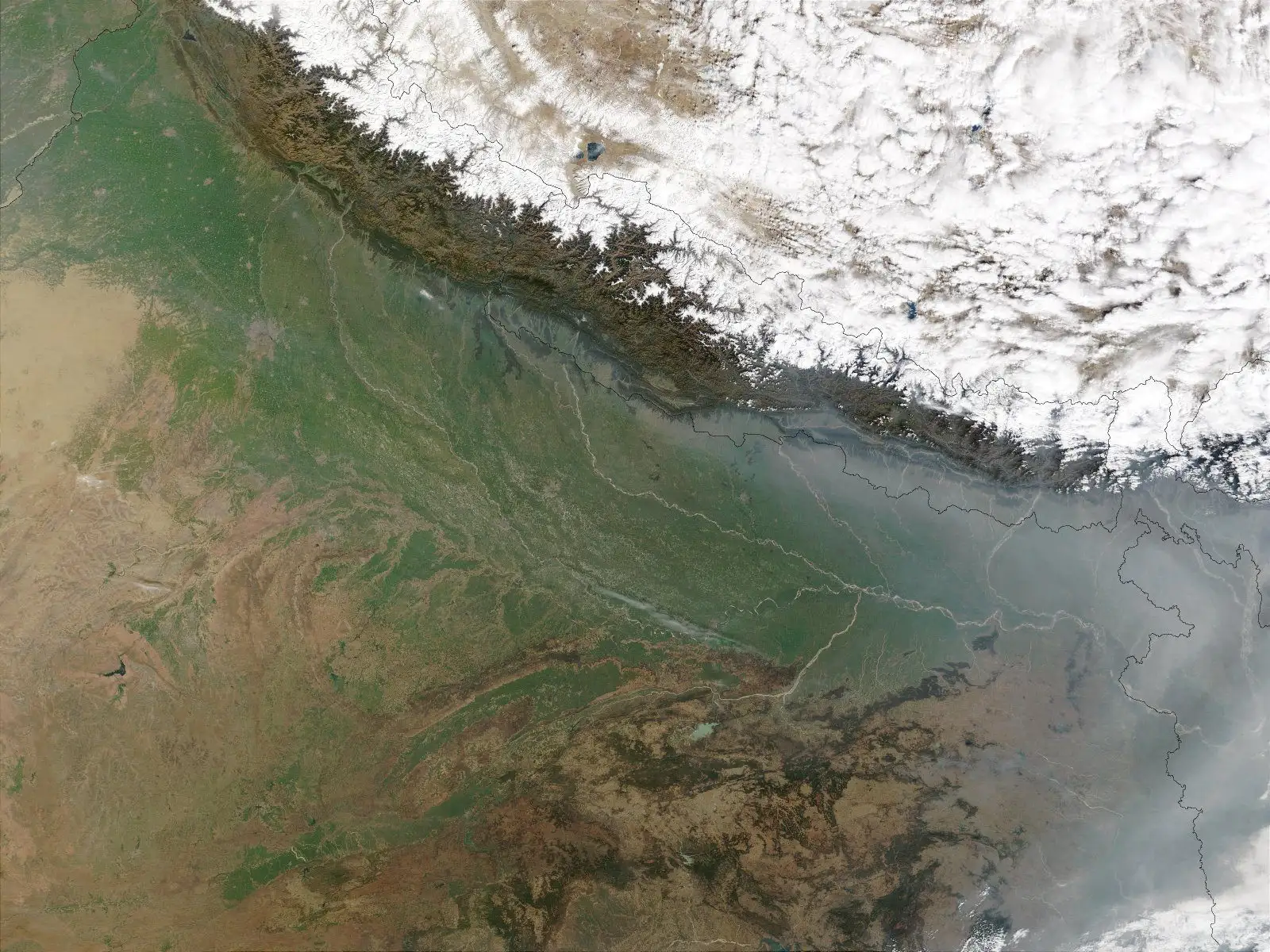
New Study Finds Residential Cooking Is Top PM2.5 Source in Indo-Gangetic Plain
Chinnakanal Resident Views Elephant as Guardian Amid Failed Capture Bid