Delhi Air Quality Slips to Very Poor Bracket as Reduced Wind Speeds Trap Pollutants
Delhi’s 24-hour average Air Quality Index reached 311 on Sunday, driven primarily by vehicular emissions and stagnant meteorological conditions.

- Delhi's 24-hour average AQI deteriorated to 311 on Sunday, entering the 'very poor' category.
- Vehicular emissions contributed the largest share of PM2.5 pollution at 28.4 per cent.
- Chandni Chowk recorded the worst air quality with a severe AQI of 410.
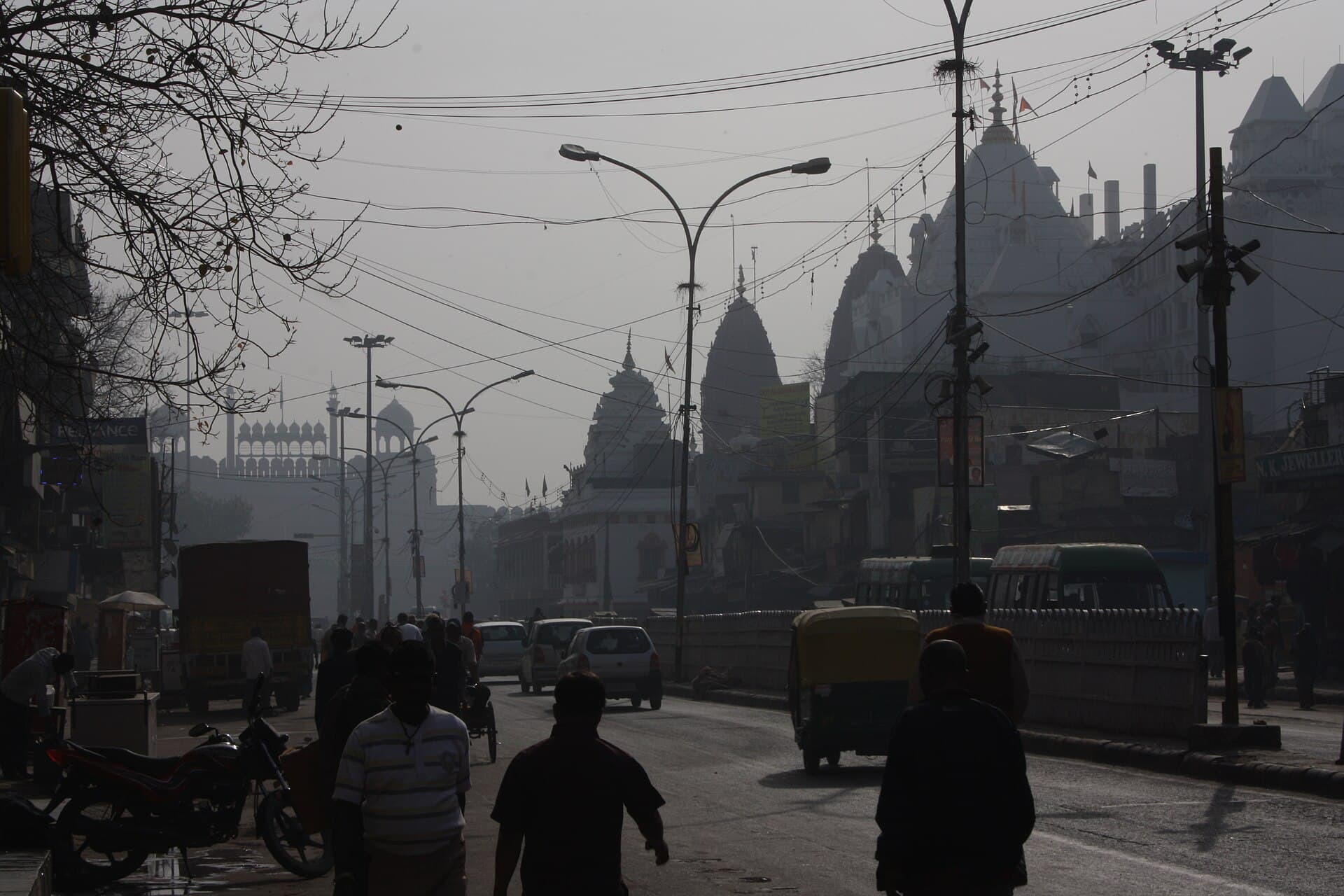
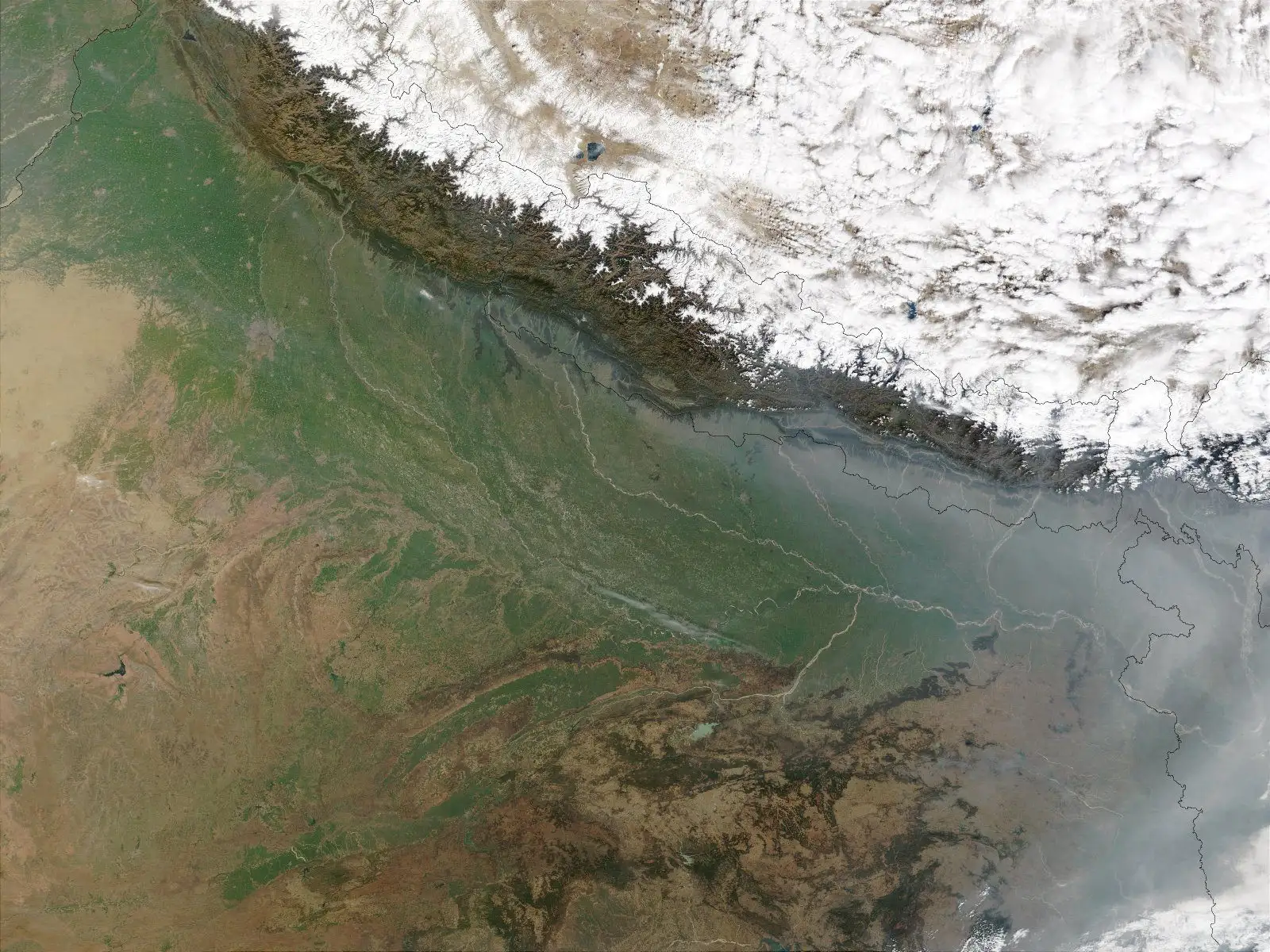
Delhi experienced a noticeable drop in environmental cleanliness on Sunday morning, waking up to hazy conditions as the metropolitan region registered an average Air Quality Index (AQI) of 311. According to metrics issued by the Central Pollution Control Board, this reading places the capital firmly within the 'very poor' classification. Prior to this shift, the city's air quality had hovered within the 'poor' tier for nearly two weeks, having previously experienced a 'very poor' reading on November 14 at an AQI of 367.
Weather specialists and meteorological authorities linked the worsening conditions directly to a decrease in wind speed, which restricted the natural atmospheric dispersal of airborne pollutants. The India Meteorological Department noted that unfavorable dispersion criteria included an average wind speed falling below 10 kilometres per hour alongside a ventilation index remaining under 6,000 square metres per second. On Sunday, the ventilation index stood at 2,500 square metres per second, while the maximum mixing depth was calculated at 1,300 metres, trapping particulate matter closer to ground level.
Monitoring Station Breakdown and Dominant Pollutants
Out of 59 operational monitoring stations across the capital, 32 reported air quality in the 'poor' bracket, while 25 stations recorded 'very poor' figures. One station registered 'moderate' conditions, and another entered the 'severe' range. Specifically, Chandni Chowk emerged as the most affected area with a severe AQI reading of 410, whereas Lodhi Road maintained a relatively moderate AQI level of 191.
Fine particulate matter with a diameter of 2.5 micrometres or less served as the primary pollutant driving these numbers. Real-time source apportionment data indicated that vehicular emissions contributed the largest share at 28.4 per cent of the total PM2.5 load. Secondary organic aerosols followed at 21.1 per cent, waste burning accounted for 15.5 per cent, biomass burning contributed 15 per cent, and secondary inorganic pollutants made up the remaining 12.4 per cent of the measured load.
Meteorological Outlook and Forecasts
The Air Quality Early Warning System managed by the India Meteorological Department projects that the capital's pollution levels will persist within the 'very poor' classification through November 30. Projections suggest a slight recovery into the 'poor' category between December 1 and December 2, with the extended six-day outlook indicating fluctuating conditions remaining trapped between 'poor' and 'very poor' tiers.
For the upcoming daily cycle on November 30, the maximum mixing depth is anticipated to reach 1,500 metres alongside a ventilation index of 3,000 square metres per second. Subsequent forecasts for December 1 and December 2 estimate maximum mixing depths of 1,350 metres and 1,400 metres respectively, with a matching ventilation index of 2,500 square metres per second expected on both days.
- The Central Pollution Control Board recorded Delhi's average AQI at 311 on Sunday.
- Vehicles, secondary organic aerosols, and waste burning were identified as the leading pollution sources.
- Meteorological conditions are expected to keep air quality in the 'poor' to 'very poor' range over the coming days.
- Delhi experienced a noticeable drop in environmental cleanliness on Sunday morning, waking up to hazy conditions as the metropolitan region registered an average Air Quality Index (AQI) of 311.
Spotted an error? · Our editorial policy
UP NEXTViolence erupts in Bangladesh as Hasina’s supporters clash with rivals ahead of planned returnSwipe more stories · EnvironmentQuick cards, a few lines each. Tap to open.More from Environment
Temperature to Dip as Jharkhand Prepares for Winter Chill and Morning Fog
National Green Tribunal Flags Organic Pollution at Ashwani Khad in Shimla
New Study Finds Residential Cooking Is Top PM2.5 Source in Indo-Gangetic Plain