Unity Government Negotiations Between Netanyahu and Eisenkot Stalled Amid Political Backlash
Discussions aimed at forming an Israeli national unity government between caretaker Prime Minister Benjamin Netanyahu and Yashar party leader Gadi Eisenkot have seemingly collapsed amid sharp criticism from Likud ministers.

- Negotiations for an Israeli national unity government between Benjamin Netanyahu and Gadi Eisenkot appear to have collapsed following a two-hour meeting in Tel Aviv.
- Netanyahu had offered a rotational prime minister arrangement allowing Eisenkot to take the first term, but a source close to Netanyahu claimed Eisenkot was not interested in a unity government.
- Several senior Likud ministers, including Miki Zohar, Yoav Kisch, and Shlomo Karhi, severely criticized Eisenkot over potential partnerships with outside parties and Arab lawmakers.
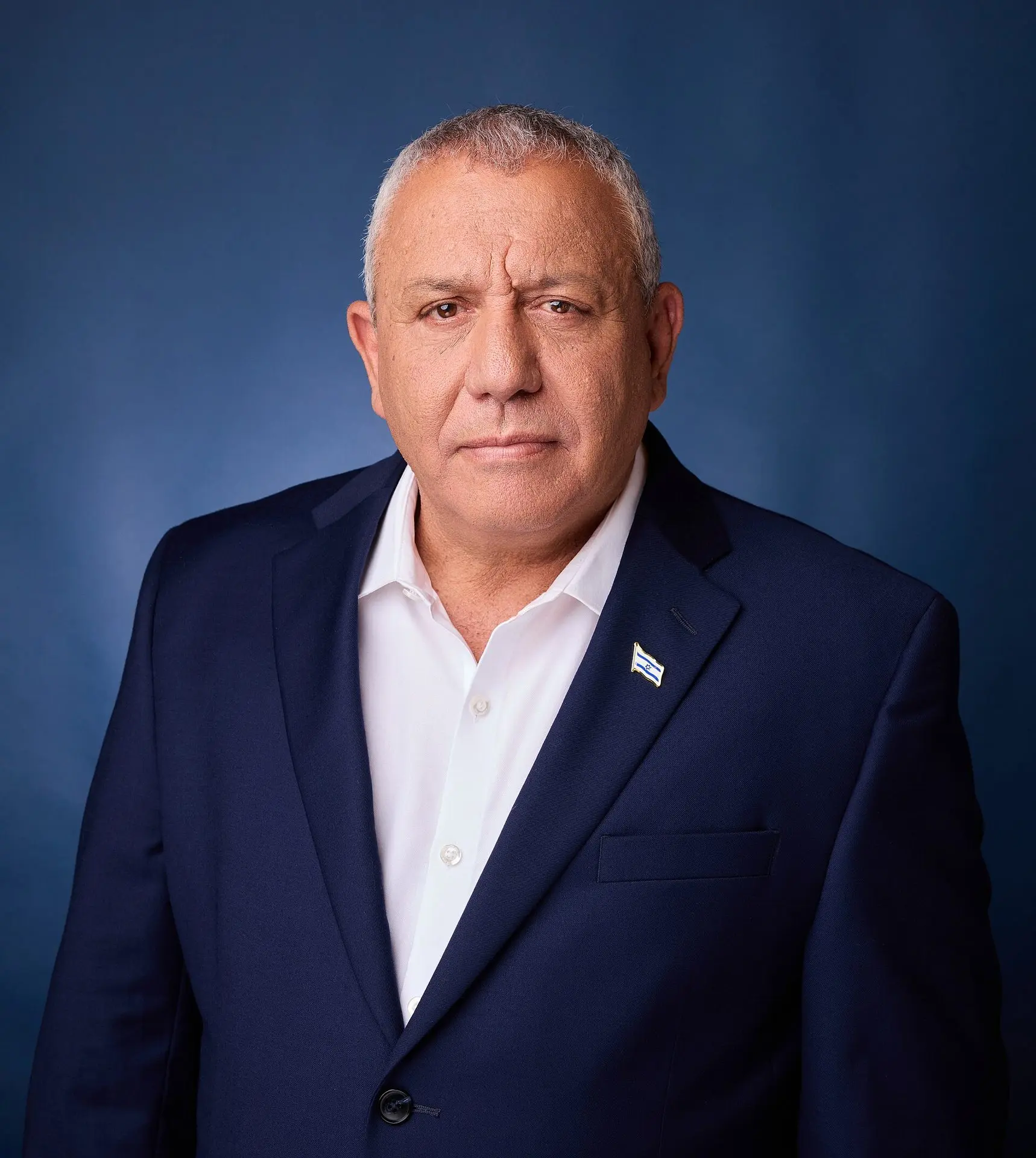
Efforts to establish a national unity government in Israel have encountered significant obstacles following a meeting between caretaker Prime Minister Benjamin Netanyahu and Yashar party leader Gadi Eisenkot at the Kirya defence headquarters in Tel Aviv. The discussion, which lasted approximately two hours, was characterized in a joint statement as businesslike as both factions attempted to address deep-seated divisions. Despite this initial engagement, Hebrew media reports indicated that the dialogue failed to generate a breakthrough, and no additional sessions between the respective negotiating teams have been planned.
Rotational Proposal and Accusations
The high-level talks followed an announcement by Netanyahu expressing his willingness to hold the second position in a rotational prime ministerial arrangement, which would have granted Eisenkot the initial term in office. In response to this proposal, Eisenkot issued a 24-hour ultimatum for Likud to finalize a coalition agreement. However, an anonymous insider linked to Netanyahu informed local broadcast media that the dialogue demonstrated Eisenkot's lack of genuine interest in establishing a unified administration. According to reports, Eisenkot conveyed his intent to stay within his current political alliance while suggesting that Likud and its partners could enter the government later if they accepted its fundamental tenets.
Reactions and Ministerial Criticism
Senior members of Likud strongly condemned Eisenkot's political maneuvering and his outreach to external factions. Culture Minister Miki Zohar issued a warning to the ultra-Orthodox United Torah Judaism party, which previously maintained an alliance with Netanyahu but has held discussions with Yashar, stating that aligning with Eisenkot would permanently sever their connections to the political right. Education Minister Yoav Kisch added that an administration relying solely on a single political faction would exacerbate societal fractures and provoke renewed public unrest. Meanwhile, Communications Minister Shlomo Karhi published remarks on social media attacking Eisenkot over potential cooperation with Arab lawmakers Ahmad Tibi and Mansour Abbas.
Concurrent Negotiations and Conscription Disputes
Concurrently, Eisenkot's Yashar party has pursued separate coalition discussions with Naftali Bennett's B'Yachad party, involving direct talks between the two leaders following team-level meetings. Bennett, who stood as the sole figure within Eisenkot's bloc in favoring a unity arrangement with Likud, remains firmly opposed to granting broad military service exemptions to ultra-Orthodox yeshiva students. This stance mirrors Eisenkot's own strong advocacy for drafting yeshiva students into the armed forces, creating a persistent point of contention. These political developments follow Likud's loss of its parliamentary majority in the election held the preceding month, prompting Eisenkot to seek coalition support across a broad political spectrum.
- Netanyahu and Eisenkot held a two-hour meeting at the Kirya defence headquarters that failed to produce a coalition agreement.
- Likud ministers criticized Eisenkot's outreach to parties outside Netanyahu's bloc, including United Torah Judaism and Arab lawmakers.
- Disagreements over military service exemptions for ultra-Orthodox yeshiva students remain a central hurdle in ongoing political negotiations following Likud's loss of its parliamentary majority.
- Efforts to establish a national unity government in Israel have encountered significant obstacles following a meeting between caretaker Prime Minister Benjamin Netanyahu and Yashar party leader Gadi Eisenkot at the Kirya defence headquarters in Tel Aviv.
Spotted an error? · Our editorial policy
UP NEXTUddhav Thackeray Questions Sharad Pawar Over Delimitation Bill Stance as Opposition Alliance Prepares PushOther angles · #Benjamin Netanyahu
Timeline →- NewsNetanyahu and Eisenkot Unity Government Talks Stall Amid Policy Differences and Coalition Friction
- NewsIsraeli Unity Talks Collapse as Netanyahu and Eisenkot Fail to Reach Agreement
- NewsNetanyahu and Eisenkot Meet in Tel Aviv Amid Coalition Talks and December Deadline
- NewsNetanyahu and Eisenkot Set Face-to-Face Talks Amid Premiership Rotation Dispute
More from World Politics
Netanyahu and Eisenkot Unity Government Talks Stall Amid Policy Differences and Coalition Friction
Iran Pursues Intelligence Overhaul and Leadership Reset Amid Ongoing Security Pressures
Israeli Unity Talks Collapse as Netanyahu and Eisenkot Fail to Reach Agreement