United States Announces New Tariffs on China Amid Strategic Shift in Global Trade Policy
The Trump administration has implemented new tariff hikes on Chinese goods as part of a broader strategy to decrease global economic reliance on China.

- The U.S. has increased tariffs on Chinese goods by approximately 7.5 percentage points.
- This policy is part of a broader U.S. push for other nations to decouple from Chinese supply chains.
- The current trade truce is supported by recent aviation deals and the extension of rare earth export suspensions by Beijing.
The United States government has announced a new round of tariff increases on goods from China, marking the latest escalation in ongoing trade tensions. These measures involve raising tariffs by approximately 7.5 percentage points, a move that follows an exhaustive eight-month investigation into global industrial capacity and allegations of unfair trade practices. While the current hikes remain within the parameters of an existing trade truce, officials have indicated that additional measures could be deployed in the future if necessary. The decision comes as the administration seeks to leverage economic pressure to encourage other nations to strengthen their own trade defenses against Chinese exports.
Context and Strategic Objectives
This policy move is viewed by analysts as a continuation of efforts to decouple trade from China and reorder global supply chains. Reports from the U.S. Trade Representative highlight this priority, with recent findings regarding Vietnam and the European Union referencing China hundreds of times each. Washington has criticized these international partners for failing to sufficiently limit Chinese investment and imports, particularly as China approaches a trade surplus exceeding $1 trillion for a second consecutive year. Strategists suggest that the U.S. is applying similar pressure to various trading partners across Southeast Asia, Japan, and the European Union to mitigate the impact of a Chinese economic model that is heavily focused on export supply rather than domestic demand.
The Legacy of Trade Tensions
The current landscape is heavily influenced by the aftermath of the April 2025 "Liberation Day" tariffs, which were later ruled illegal by the Supreme Court. That previous conflict saw a significant escalation in reciprocal trade barriers and led China to restrict the export of rare earth minerals, which are critical for industries ranging from defense to automotive manufacturing. Despite this history, recent signals suggest both nations are attempting to manage the current friction. Earlier this month, a high-profile meeting between leaders featured a significant diplomatic gesture, and Beijing has recently extended a suspension on its rare earth export controls. Furthermore, Xiamen Airlines, a subsidiary of China Southern Airlines, has confirmed an agreement to purchase 50 Boeing 737 MAX 8 aircraft, signaling a continued effort to maintain the current truce.
Future Outlook and Domestic Constraints
Despite the potential for further economic maneuvering, the United States faces internal pressures that may limit the scale of future trade escalations. Recent midterm congressional elections saw significant losses for the Republican Party, with voters identifying the rising cost of living as a primary concern. Economists warn that aggressive tariff hikes could exacerbate inflationary pressures, complicating the administration's policy choices ahead of a planned summit in Miami next month and the expiration of the current trade pact on January 10. While some experts believe that both Beijing and Washington are motivated to secure a stable agreement, others, such as global strategists at Macquarie Capital, argue that China’s underlying economic structure—characterized by low household consumption and high export dependence—will remain the primary driver of global trade friction for the foreseeable future.
- New tariffs reflect a calculated effort by the U.S. to reshape global trade, even as both sides try to avoid an all-out conflict.
- The U.S. is pressuring other nations, such as EU members and Vietnam, to limit their economic reliance on Beijing.
- Domestic economic concerns, such as inflation, provide a significant constraint on the U.S. government's ability to escalate the trade war further.
- The United States government has announced a new round of tariff increases on goods from China, marking the latest escalation in ongoing trade tensions.
Spotted an error? · Our editorial policy
UP NEXTGovernment Proposes New Delimitation Legislation to Implement Women’s ReservationOther angles · #global economy
Timeline →More from World Politics

Bangladesh Speaker Suggests Potential ICJ Action for Sheikh Hasina’s Extradition
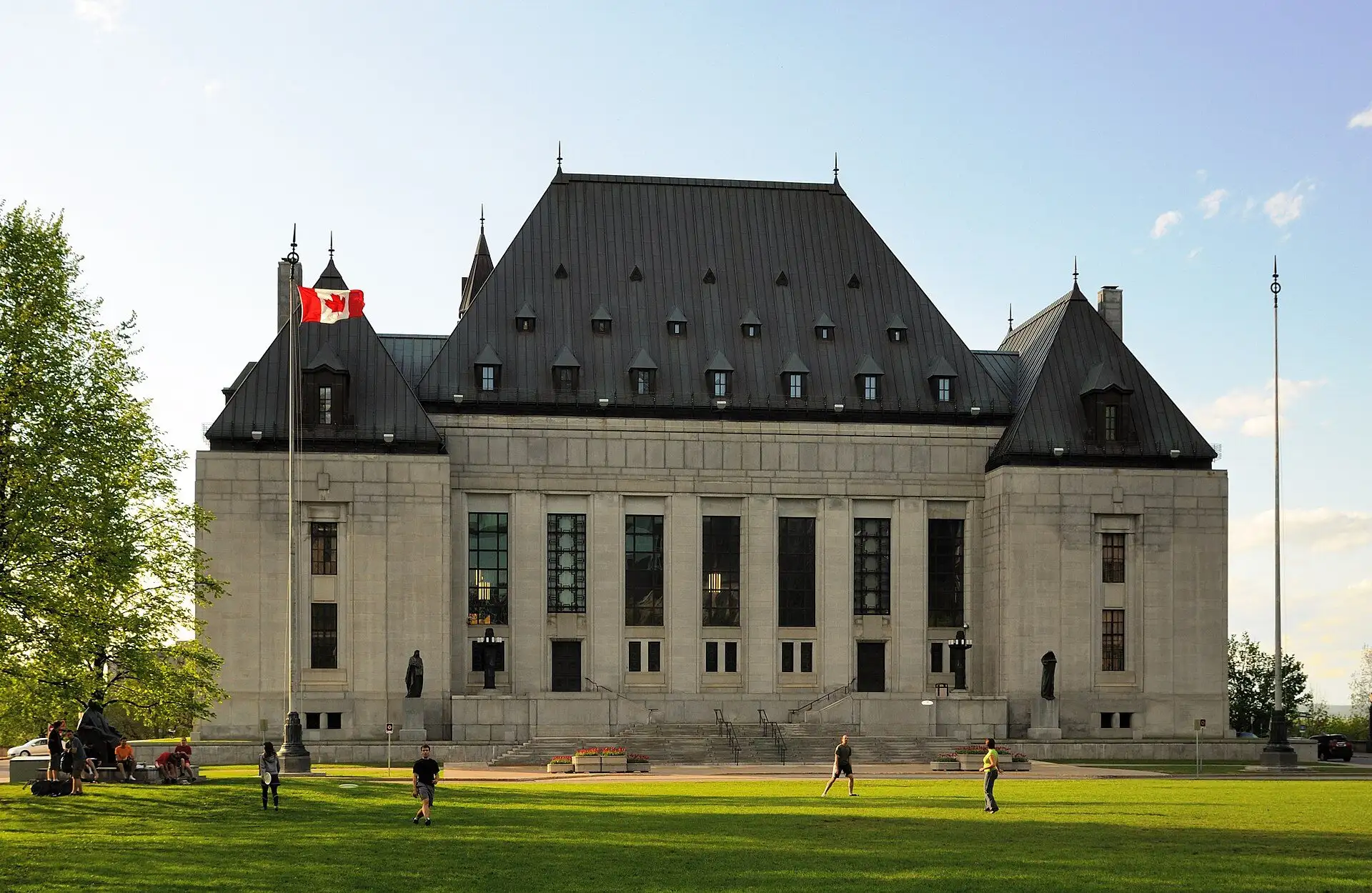
Canadian Supreme Court Upholds Quebec’s Public Sector Religious Symbols Ban

Danish Foreign Minister Visits Bengaluru to Expand Tech and Defense Ties with India