Canadian Supreme Court Upholds Quebec’s Public Sector Religious Symbols Ban
Canada’s Supreme Court has largely upheld Quebec’s controversial Bill 21 restricting religious symbols for public servants, while striking down a provision affecting elected officials.

- Canada's Supreme Court largely upheld Quebec's Bill 21 banning public servants from wearing religious symbols on Friday.
- The court ruled that the province's use of the notwithstanding clause is valid for the public sector restrictions.
- Judges struck down a specific provision that barred elected officials from wearing face coverings, citing democratic rights.
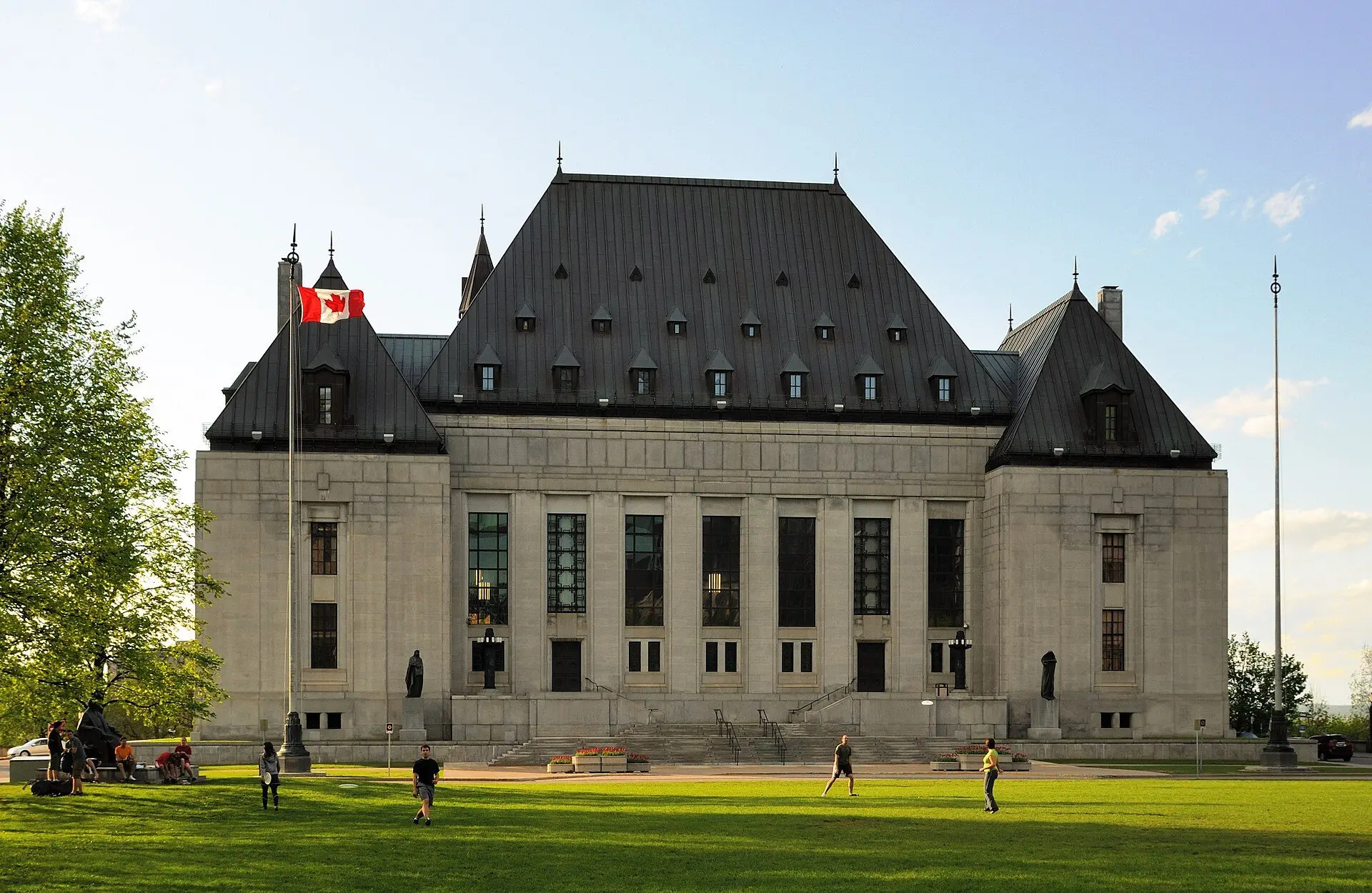
Canada's Supreme Court issued a major ruling on Friday upholding Quebec’s provincial law that prohibits public sector workers from wearing overt religious symbols such as hijabs, crosses, and turbans. The legislation, formally known as Bill 21, was originally enacted by the provincial government in 2019. Civil liberties advocates, alongside teachers of Muslim, Sikh, and Catholic faiths, challenged the statute in court, arguing that it infringed upon fundamental constitutional rights and unfairly targeted minority women. The Supreme Court concluded that the law is grounded in the province's legitimate and historic commitment to maintaining state secularism within a democratic society.
Legal Validations and Constitutional Exceptions
The high court affirmed that the provincial government's use of the notwithstanding clause—a constitutional mechanism permitting governments to override certain protected rights including religious freedom—remains valid. However, the justices identified an exception within the statute regarding elected members of Quebec's National Assembly. The court determined that the section barring legislators from wearing face coverings infringes upon democratic rights guaranteed by the Canadian Charter, which are not shielded by the notwithstanding clause, thereby protecting an individual's right to run for public office. Additionally, the majority ruled that Canadian courts hold the authority to evaluate whether a statute aligns with the rights Charter even when the notwithstanding clause is invoked, though they declined to do so for the general public servant restrictions in this instance.
Political and Social Ramifications
The judicial decision represents a significant political victory for Quebec's sovereigntist administration. Conversely, commentators note the ruling may complicate efforts by Prime Minister Mark Carney to foster national unity while the country navigates external pressures, including an ongoing trade dispute and annexation threats voiced by US President Donald Trump. Supporters of the 2019 legislation maintained that individuals receiving public services in the predominantly French-speaking province possess the right to interact with civil servants unexposed to overt religious symbols. Meanwhile, civil liberties organizations and minority groups have expressed disappointment over the outcome, warning that the restrictions remain discriminatory.
- The Supreme Court confirmed the validity of Quebec's public servant religious symbols ban under the notwithstanding clause.
- The court ruled that barring elected officials from wearing face coverings violates democratic rights under the Charter.
- Civil liberties groups criticized the decision, while Quebec's sovereigntist government welcomed the ruling as a political win.
- Canada's Supreme Court issued a major ruling on Friday upholding Quebec’s provincial law that prohibits public sector workers from wearing overt religious symbols such as hijabs, crosses, and turbans.
Spotted an error? · Our editorial policy
UP NEXTLionel Messi Reports Seeking to Restrict AFA Commercial Use of His ImageSwipe more stories · World PoliticsQuick cards, a few lines each. Tap to open.More from World Politics
Bangladesh Speaker Suggests Potential ICJ Action for Sheikh Hasina’s Extradition
Danish Foreign Minister Visits Bengaluru to Expand Tech and Defense Ties with India
Russia Approves Historic Military Budget as Defense Spending Hits Post-Soviet High