Government Proposes New Delimitation Legislation to Implement Women’s Reservation
The Centre plans to introduce the Constitution (132nd Amendment) Bill and a new Delimitation Bill to increase legislative seats by 50% and establish a rotational reservation system for women.

- The government is introducing the Constitution (132nd Amendment) Bill, 2026.
- Legislation proposes a 50% increase in Lok Sabha and state assembly seats to facilitate 33% women's reservation.
- Seats reserved for women will be assigned via a rotation system.
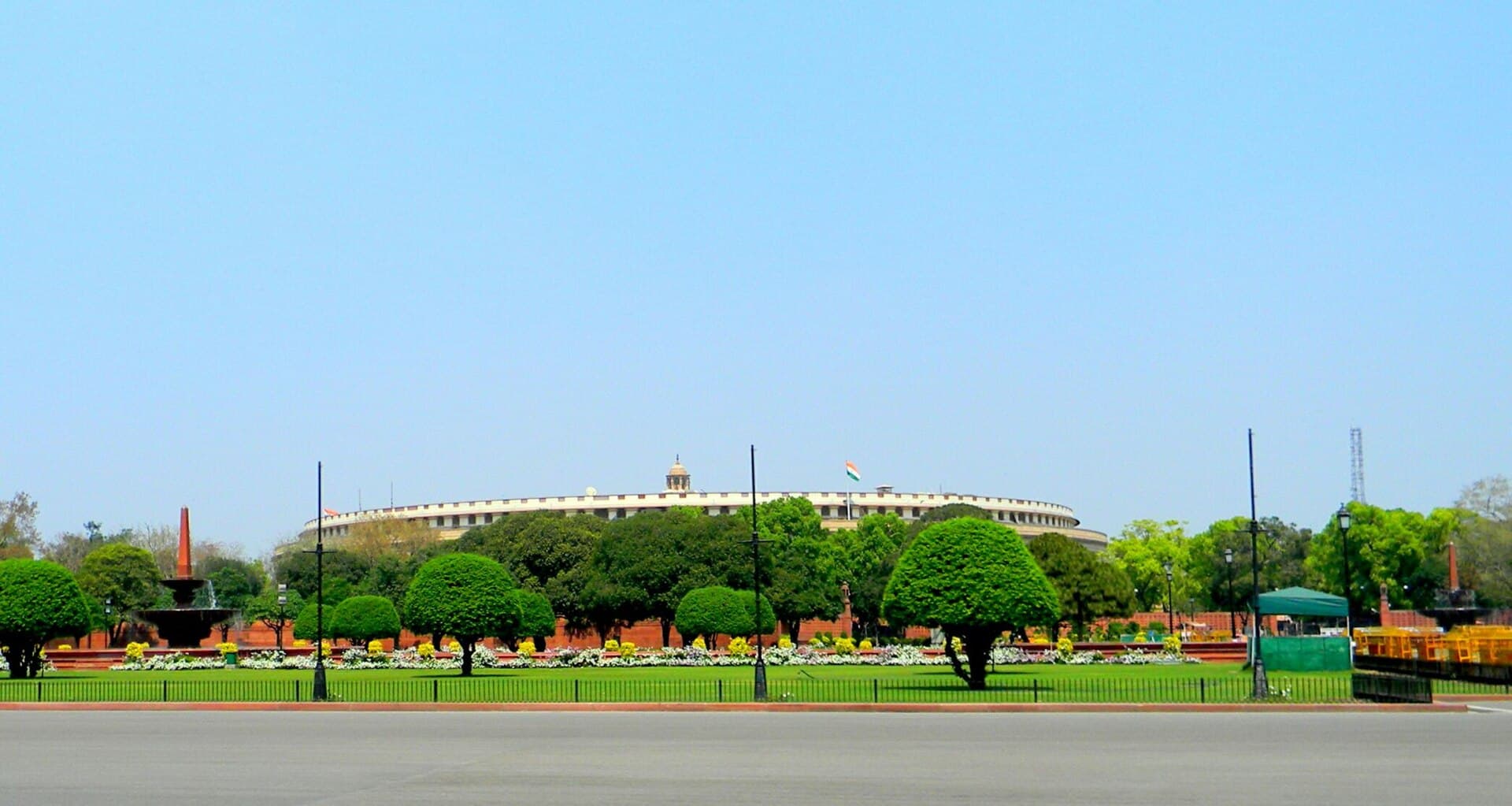
The Union government is set to introduce a fresh legislative package in the Lok Sabha aimed at facilitating a 50% increase in the total number of seats across both the Lower House and state legislative assemblies. This move is designed to provide immediate effect to the reservation of one-third of seats for women, including those from Scheduled Castes and Scheduled Tribes. As part of this initiative, authorities intend to withdraw the previously tabled Delimitation Bill, 2026, due to its pending status and the substantial modifications introduced in the new iteration.
Legislative Restructuring and Rotational Quotas
The proposed Constitution (132nd Amendment) Bill, 2026, outlines an expansion of legislative capacity to accommodate these changes. Under the new plan, the maximum strength of the Lok Sabha would rise to 850 members, comprising up to 815 representatives from states and 35 from Union territories, while state assemblies would see their maximum capacity increased to 650. The government has also integrated a provision for the rotation of seats reserved for women, with the specific manner and authority for these rotations to be determined by the Delimitation Commission.
Commission Mandate and Population Data
The new legislative framework mandates the formation of a Delimitation Commission promptly following the commencement of the Act, shifting away from the previous language that suggested the body be constituted on an intermittent basis. Regarding the data used for redrawing constituencies, the Bill removes the general definition of population and instead specifies that the process will rely on the latest census figures published by the date the proposed legislation takes effect. In the absence of newer data, current figures, such as those from the 2011 Census, would serve as the basis for the exercise.
Context of the Current Initiative
This development follows the unsuccessful attempt to pass the Constitution (131st Amendment) Bill in April 2026, which failed to secure the required two-thirds majority in the Lok Sabha. During those earlier deliberations, legislators expressed concerns regarding the impact of delimitation on the representative balance among different states, given varying regional population growth rates. The government states that it has re-examined these issues to ensure a balanced constitutional framework that preserves the representative character of the legislative bodies. The women’s reservation component is currently envisioned to remain in force for 15 years from the start of the 2023 amendment, with the possibility of further extensions granted by Parliament.
- Legislative strength will increase by 50% to accommodate the reservation.
- The Delimitation Commission will be formed immediately upon the bill's passage.
- The new quota will last for 15 years, subject to future parliamentary extension.
- The legislation addresses concerns regarding state representation and population disparities.
Spotted an error? · Our editorial policy
UP NEXTBessent mocks Pezeshkian’s energy conservation display as Iran crisis deepensSwipe more stories · Indian PoliticsQuick cards, a few lines each. Tap to open.More from Indian Politics
Government Plans Three Legislative Measures for Women’s Quota and House Seat Expansion
Supriya Sule to Skip INDIA Bloc Meeting Due to Sharad Pawar’s Hospitalisation
Shashi Tharoor Criticizes DMK Over Stance on Proposed Delimitation and Lok Sabha Seat Increase