Bombay High Court Permits Tata Sons Board Meeting While Denying Interim Relief to Tata Trusts
The Bombay High Court has allowed the November 30 Tata Sons board meeting to proceed while declining interim relief sought by Tata Trusts over N Chandrasekaran’s reappointment.

- Bombay High Court allowed the November 30 Tata Sons board meeting to proceed under final court orders.
- Tata Trusts challenged N Chandrasekaran's reappointment over the use of a casting vote.
- Tata Sons cited impending Reserve Bank of India listing deadlines to oppose meeting postponement.
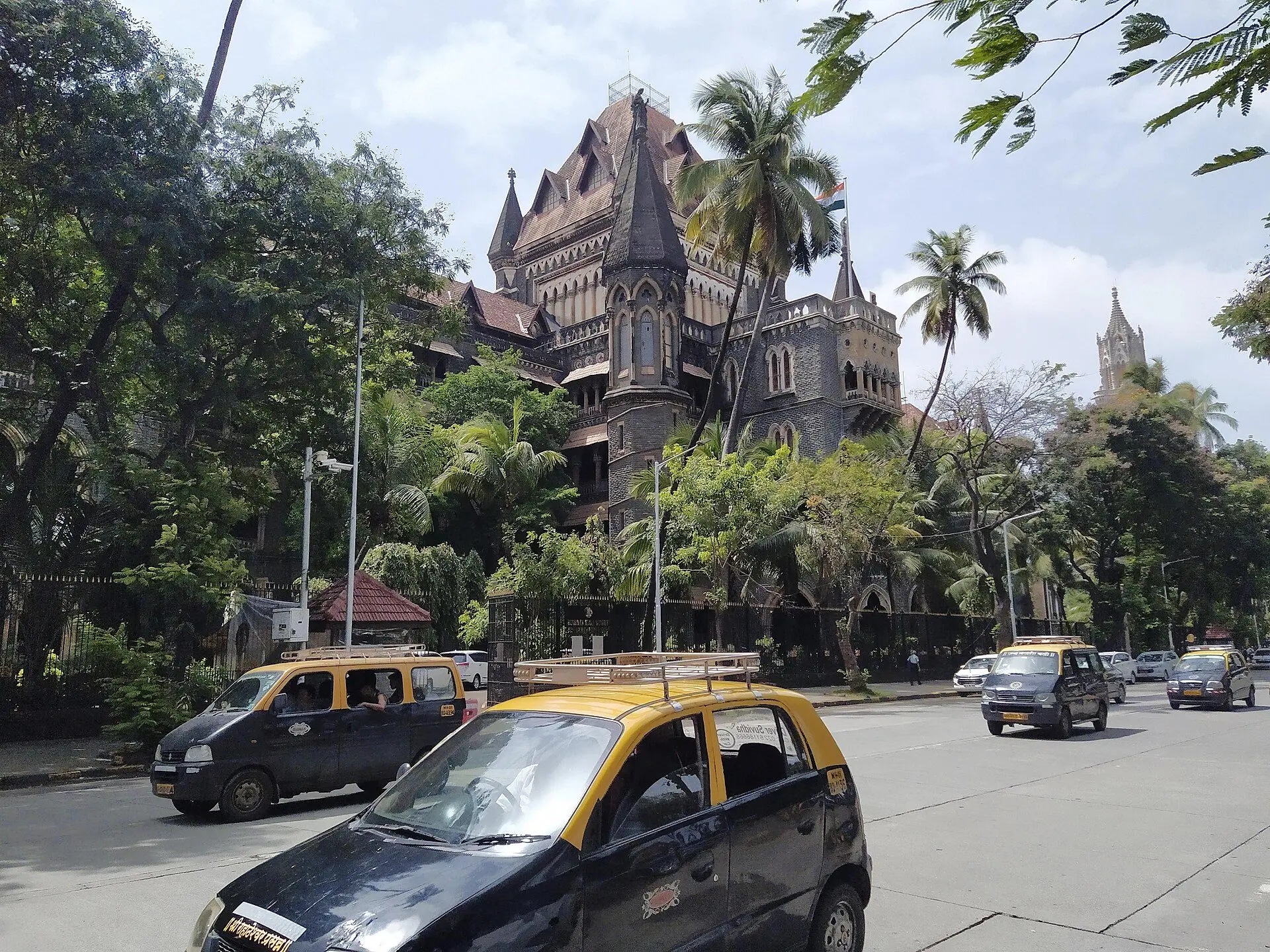
The Bombay High Court on Friday declined to grant interim relief to two Tata Trusts entities seeking to challenge the reappointment of N Chandrasekaran as Executive Chairman of Tata Sons. Justice Abhay Ahuja permitted the company's scheduled board meeting on November 30 to move forward, while ruling that any determinations made during the proceedings will remain strictly subject to the court's final orders. The bench instructed Tata Sons and the other respondents, which include six company directors, to file their reply affidavits, with the next court hearings scheduled for January 18 and January 21, 2027.
Dispute Over Voting and Articles of Association
The legal challenge stems from separate suits filed by the Sir Dorabji Tata Trust and the RD Tata Trust against Tata Sons and its directors regarding a board resolution passed on September 17, 2026. This resolution approved Chandrasekaran's third five-year term beginning in February 2027 by a 4-1 vote, with Chandrasekaran abstaining. The disputing trusts, which hold a 66 percent stake in Tata Sons, contended that the resolution was invalid under Articles 104B and 121 of the company's Articles of Association. According to the suits, Noel Tata voted against the reappointment while Venu Srinivasan supported it, and the resolution passed only after meeting chair Harish Manwani utilized a casting vote. The trusts argue that decisions of this nature require affirmative majority support from trust-nominated directors and cannot be pushed through via a casting vote. In connection with these suits, the Sir Dorabji Tata Trust sought Rs 50 crore in damages, and the RD Tata Trust claimed Rs 15 crore, both carrying an 18 percent annual interest rate, bringing total claimed damages to Rs 65 crore.
Reserve Bank of India Compliance and Arguments
During the court proceedings, Senior Advocate Harish Salve, representing Tata Sons, strongly opposed the application to defer the November 30 meeting. He argued that delaying the gathering could cause the company to breach regulatory timelines set by the Reserve Bank of India, pointing to a deadline of December 10 or December 12 for submitting a mandated public listing plan that could lead to Tata Sons becoming publicly listed by the autumn of 2027. Salve disputed the trusts' interpretation of the Articles of Association, noting that the trusts appointed only two nominee directors despite being eligible for up to five, and asserted they could not claim a lack of majority blocks board operations. Conversely, Senior Advocates Abhishek Manu Singhvi and Aspi Chinoy, appearing for the trusts, maintained that Tata Sons was artificially manufacturing urgency around the meeting by citing regulatory directives.
- The Bombay High Court refused interim relief to Tata Trusts regarding N Chandrasekaran's reappointment as Tata Sons Executive Chairman.
- The court permitted the November 30 board meeting to proceed subject to final judicial outcomes, scheduling further hearings for January 2027.
- Tata Sons defended the meeting timeline by highlighting mandatory Reserve Bank of India listing deadlines.
Spotted an error? · Our editorial policy
UP NEXTBessent mocks Pezeshkian’s energy conservation display as Iran crisis deepensOther angles · #Bombay High Court
Timeline →More from Business
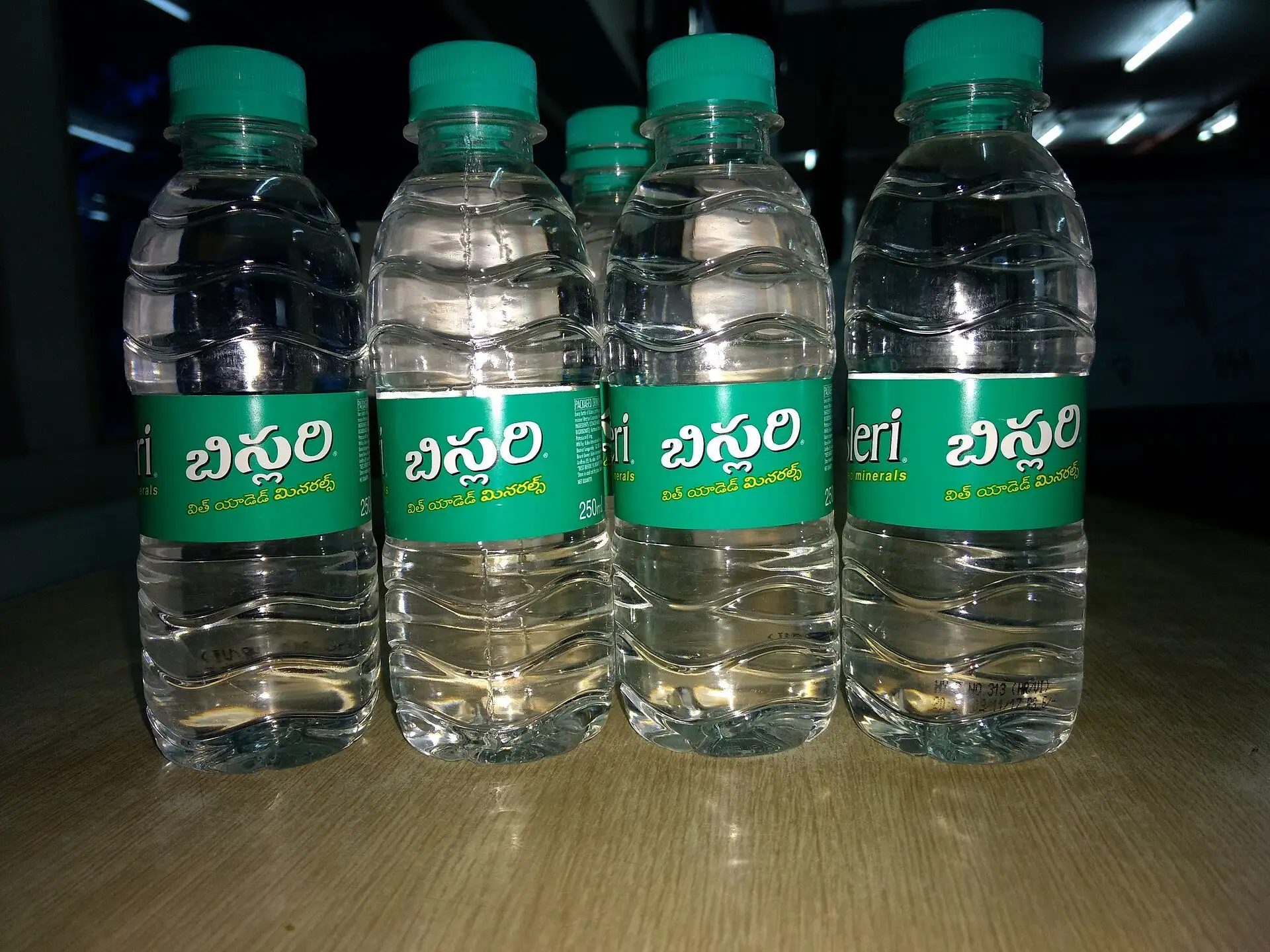
FSSAI Sanctions Prosecution Against Bisleri Over Water Quality Violations
RBI Introduces Amended KYC Norms and SOP for Payment Banks to Combat Financial Frauds
Reserve Bank of India Issues Consolidated Regulatory Frameworks for Card Payments and ATM Cash Withdrawals