IEA Warns West Asia Crisis Poses Unprecedented Threat to Global Energy Security
The International Energy Agency has identified the ongoing conflict in West Asia as the most significant threat to global energy security in history.

- The IEA warns that the ongoing West Asia crisis constitutes the largest threat to energy security in history.
- Iran's blockade of the Strait of Hormuz has severely disrupted oil supplies despite U.S. escort efforts.
- IEA leadership states that the energy world cannot return to the status quo existing before the crisis began.
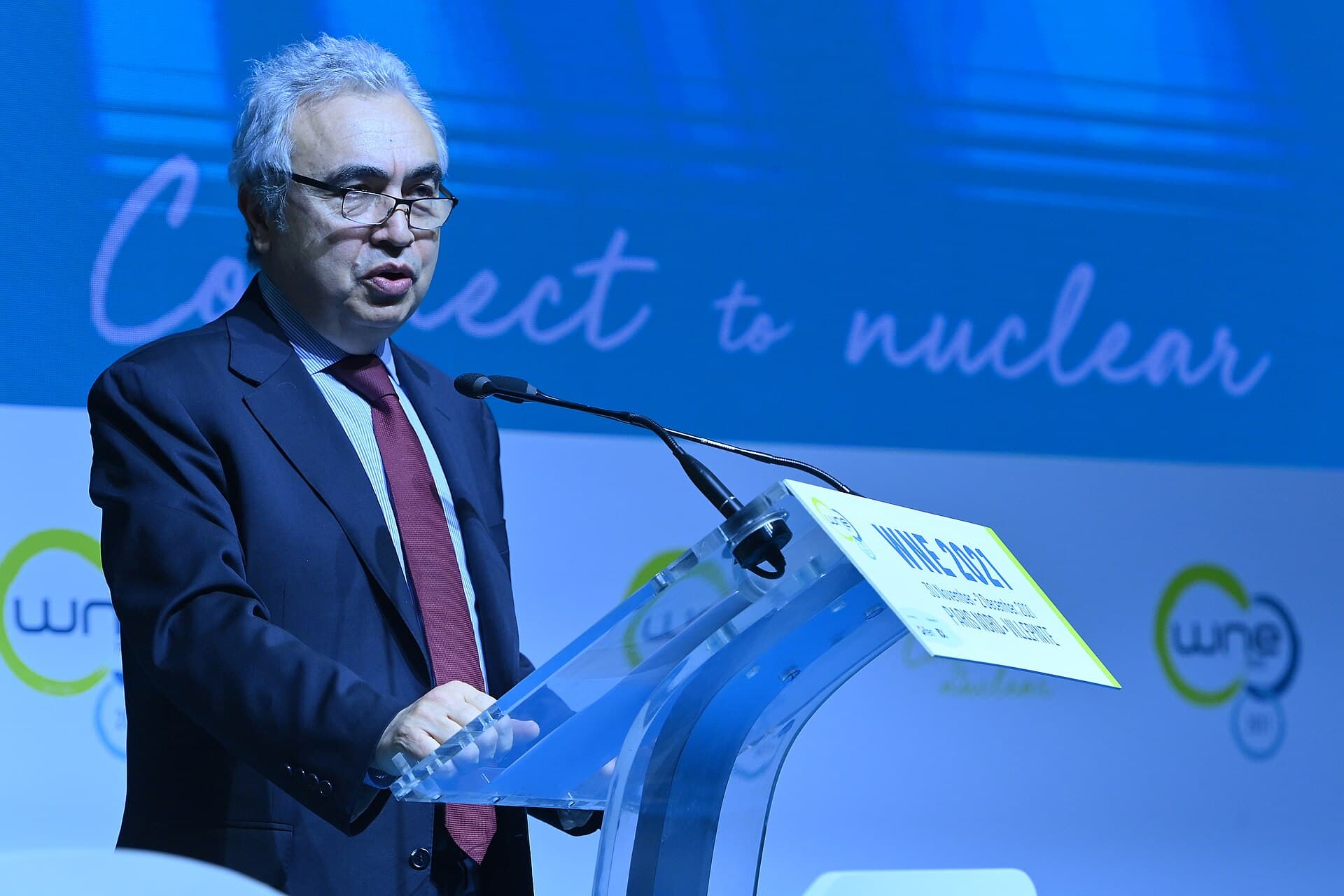
The International Energy Agency (IEA) has declared that the crisis in West Asia, which began in February following military strikes by the U.S. and Israel against Iran, has created the most severe threat to energy security ever recorded. In its annual World Energy Outlook released on November 19, 2026, the organization warned that the situation surpasses the impact of the major oil shocks experienced during the 1970s. The disruption has fundamentally altered the global energy landscape, with IEA Executive Director Fatih Birol stating that there is no credible pathway for the sector to return to its pre-crisis state.
Disrupted Supply Routes and Consumer Impact
Since the onset of hostilities, Iran has blockaded the Strait of Hormuz and engaged in attacks against oil tankers, causing persistent and severe supply chain instability. This critical waterway previously facilitated approximately one-fifth of global oil shipments. Although the United States has deployed escort operations for vessels passing through the region, these measures have failed to restore normal traffic. While some producing nations have increased output and diverted energy through alternative channels to shield domestic populations, these buffers are depleting. Consequently, the burden of the crisis is increasingly shifting to global consumers, who face both rising costs and potential supply shortages.
Long-Term Forecasts and Climate Context
The report was published amidst the COP31 climate negotiations in Turkiye, occurring during a year characterized by severe climate-related events, including extensive wildfires in Europe and devastating floods in Nepal. Regarding long-term projections, the IEA maintains its standard framework involving three scenarios based on current policies, stated government intentions, and a pathway to net-zero emissions by 2050. Under its middle scenario, the agency anticipates global oil demand will peak near 2030, followed by a gradual decline, while natural gas demand is expected to continue rising until 2035.
However, the 2026 outlook includes additional scenarios specifically modeling the potential long-term outcomes if the current instability persists. While acknowledging the resilience shown by the global economy and energy sector thus far, the agency emphasized that prolonged conflict will inevitably result in deeper and more permanent damage to energy stability.
- The IEA describes the West Asia crisis as a greater threat to energy security than the 1970s oil shocks.
- Consumers are bearing the brunt of the crisis as supply buffers are exhausted.
- The conflict has led to a permanent change in global energy dynamics.
- The report was released during COP31 amid heightened concern over global climate instability.
Spotted an error? · Our editorial policy
UP NEXTDadasaheb Phalke International Film Festival Awards 2026: Taylor Swift and James Cameron Among WinnersSwipe more stories · WorldQuick cards, a few lines each. Tap to open.