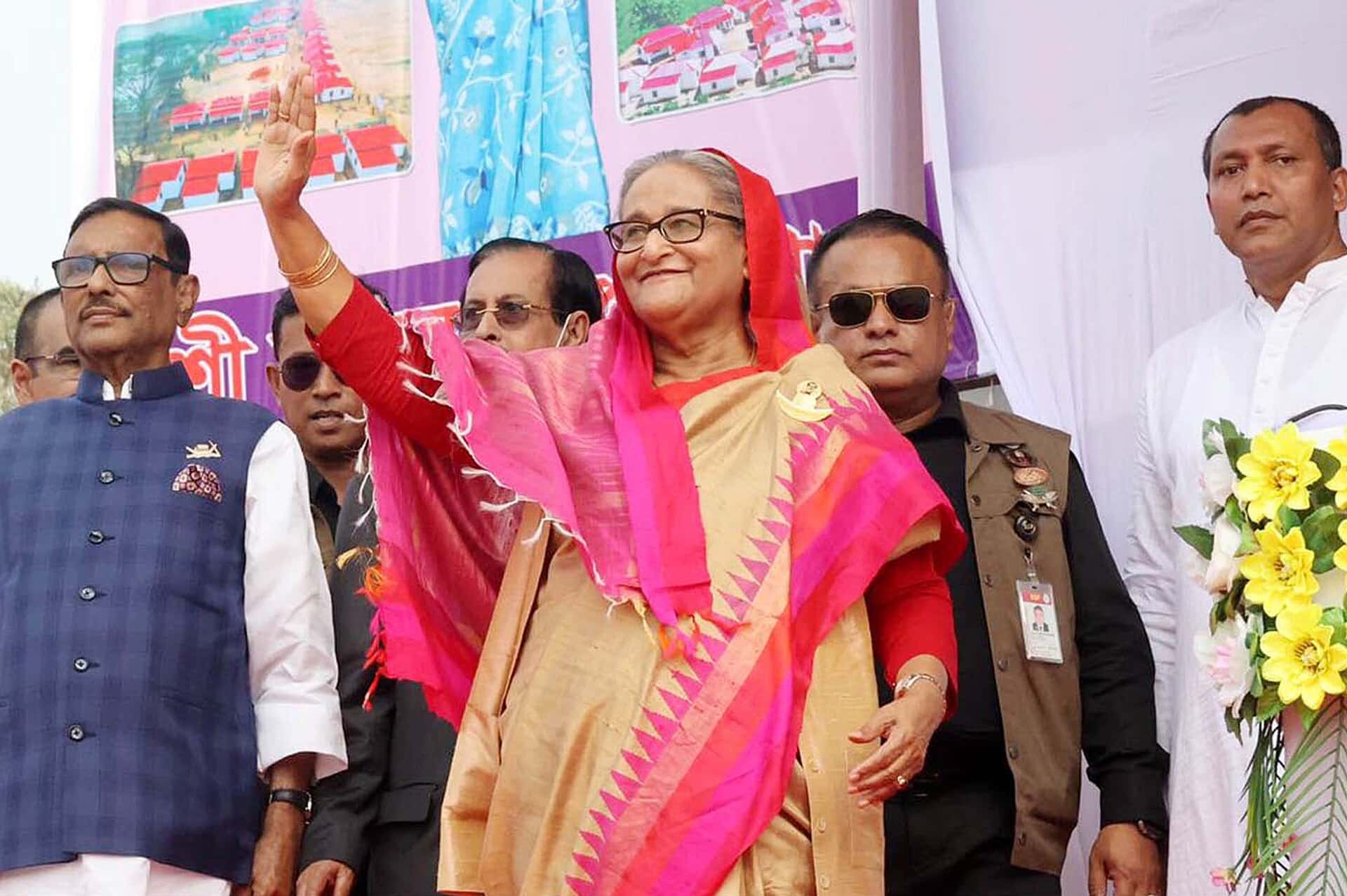
Bangladesh Speaker Suggests Potential ICJ Action for Sheikh Hasina’s Extradition
Bangladesh’s Parliament Speaker Hafiz Uddin Ahmed has indicated that his country may take the case of former Prime Minister Sheikh Hasina to the International Court of Justice if India refuses to extradite her.

- Hafiz Uddin Ahmed suggests Bangladesh may approach the ICJ regarding Sheikh Hasina's extradition from India.
- Hasina faces a death sentence in Bangladesh related to the 2024 uprising and has denied the charges.
- India has confirmed receipt of extradition requests but is still processing the matter through formal channels.
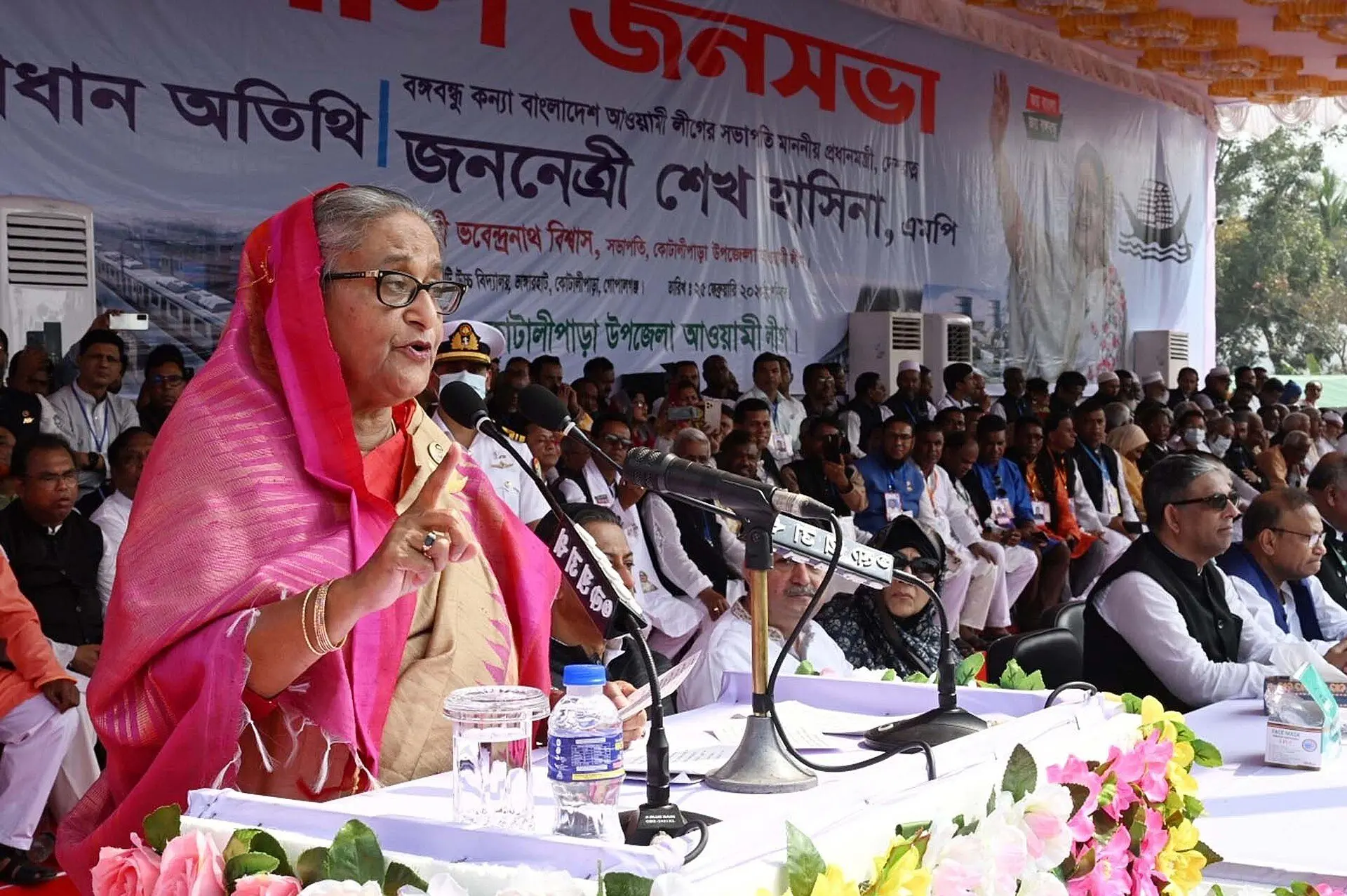
The Speaker of the Bangladesh Parliament, Hafiz Uddin Ahmed, has stated that Dhaka could seek the involvement of the International Court of Justice (ICJ) should India decline to extradite the country's former leader, Sheikh Hasina. Currently residing in India, the 79-year-old former prime minister fled Bangladesh in August 2024 following a significant student-led uprising that resulted in the removal of her Awami League government. The Bangladeshi government is formally engaging with Indian authorities through standard diplomatic channels regarding her potential return.
Legal Challenges and Conflicting Narratives on Return
Sheikh Hasina remains subject to severe legal scrutiny in her home country, including a sentence of death delivered in absentia by a special tribunal in relation to the violent suppression of protests earlier this year. The former leader has consistently rejected the accusations and challenged the legal standing of the tribunal proceedings against her. While her spokesperson, Syed Mozammel Ali, has stated that she intends to return to Bangladesh on December 16—a date significant for the country's victory in the 1971 Liberation War—Speaker Ahmed has publicly dismissed these plans. He characterized her stated intent to return as a tactical move to maintain morale among her supporters, asserting that she would likely remain away for the next decade and would face immediate imprisonment upon any return to the nation.
Diplomatic Stance and Historical Allegations
India has acknowledged that it has received formal requests concerning the former prime minister but has maintained that the situation is currently being assessed through established legal and administrative processes. No decision has been announced by New Delhi regarding the status of these extradition requests. During a visit to Pakistan, Speaker Ahmed also addressed broader geopolitical themes, characterizing the past 15 years of Bangladeshi governance under Hasina's administration as a period where the nation functioned as a colony of an unnamed neighbor. He further questioned India's historical role in the 1971 conflict and advocated for the resolution of the Kashmir issue in alignment with United Nations resolutions.
- Bangladesh's Speaker Hafiz Uddin Ahmed stated the possibility of ICJ intervention for Sheikh Hasina's return.
- Sheikh Hasina is living in India following her ouster in August 2024 and faces a death sentence in absentia.
- India maintains it is evaluating the extradition request via standard procedures.
- The Speaker of the Bangladesh Parliament, Hafiz Uddin Ahmed, has stated that Dhaka could seek the involvement of the International Court of Justice (ICJ) should India decline to extradite the country's former leader, Sheikh Hasina.
Spotted an error? · Our editorial policy
UP NEXTLionel Messi Reports Seeking to Restrict AFA Commercial Use of His ImageOther angles · #Bangladesh
Timeline →- NewsBangladesh Restricts Financial Services in Gopalganj Amid Political Unrest
- NewsBangladesh Minister Calls Deposed Leader a Thorn in Bilateral Ties With India
- NewsFormer Aide to Sheikh Hasina Arrested in Dhaka Amid Rising Political Unrest
- NewsDiplomatic and Security Tensions Mount as Sheikh Hasina Announces Planned Return to Bangladesh
More from World Politics
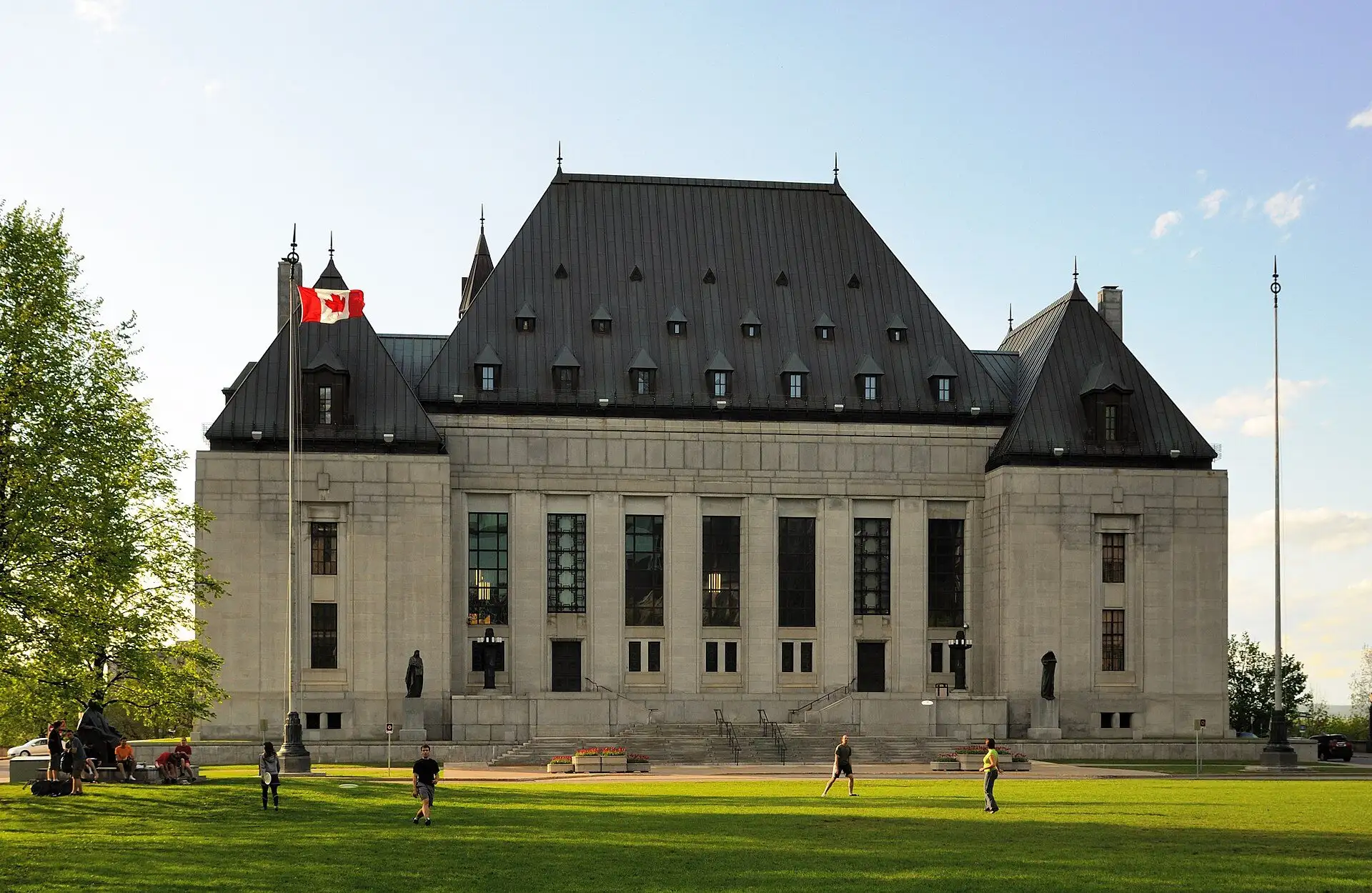
Canadian Supreme Court Upholds Quebec’s Public Sector Religious Symbols Ban
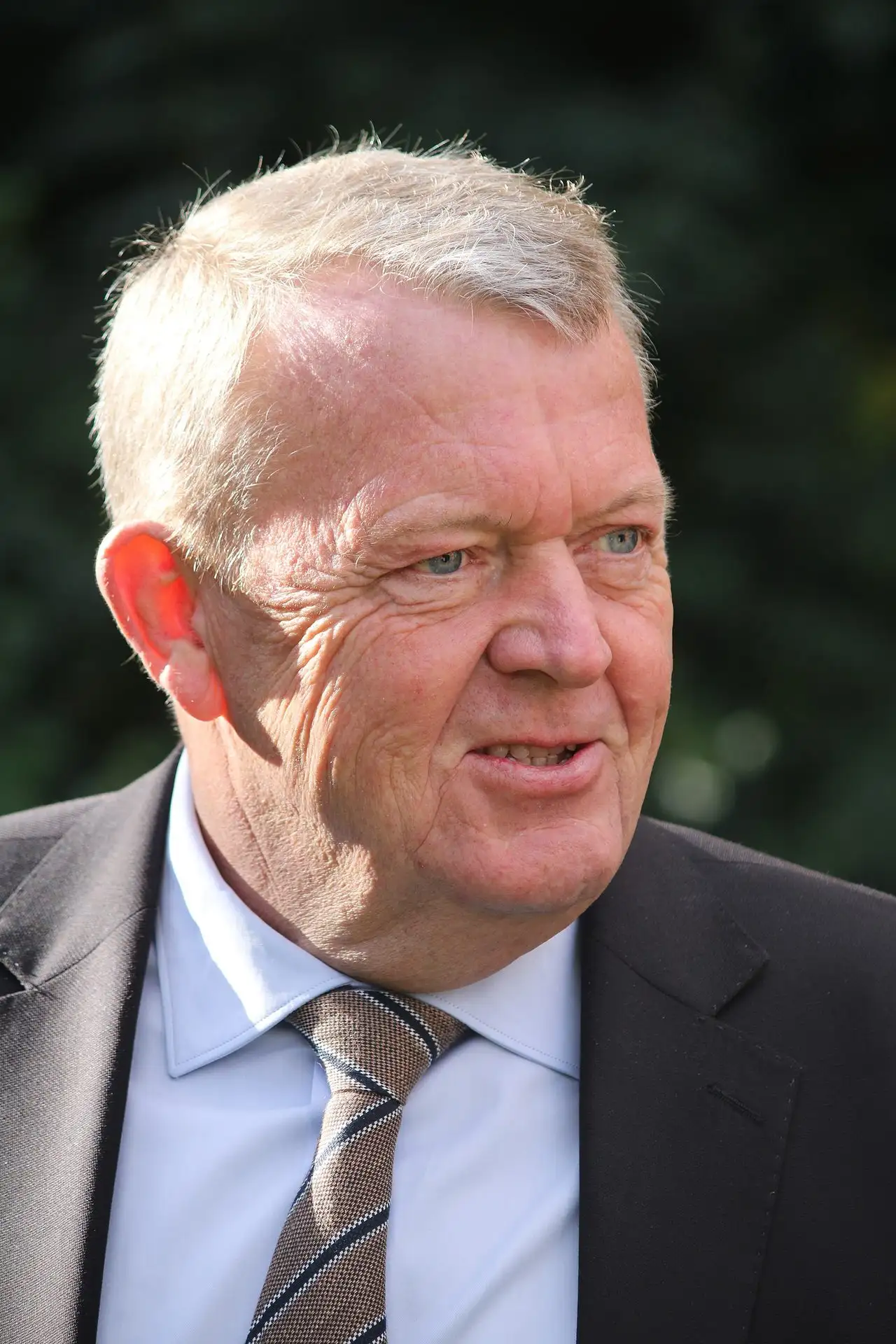
Danish Foreign Minister Visits Bengaluru to Expand Tech and Defense Ties with India
Russia Approves Historic Military Budget as Defense Spending Hits Post-Soviet High