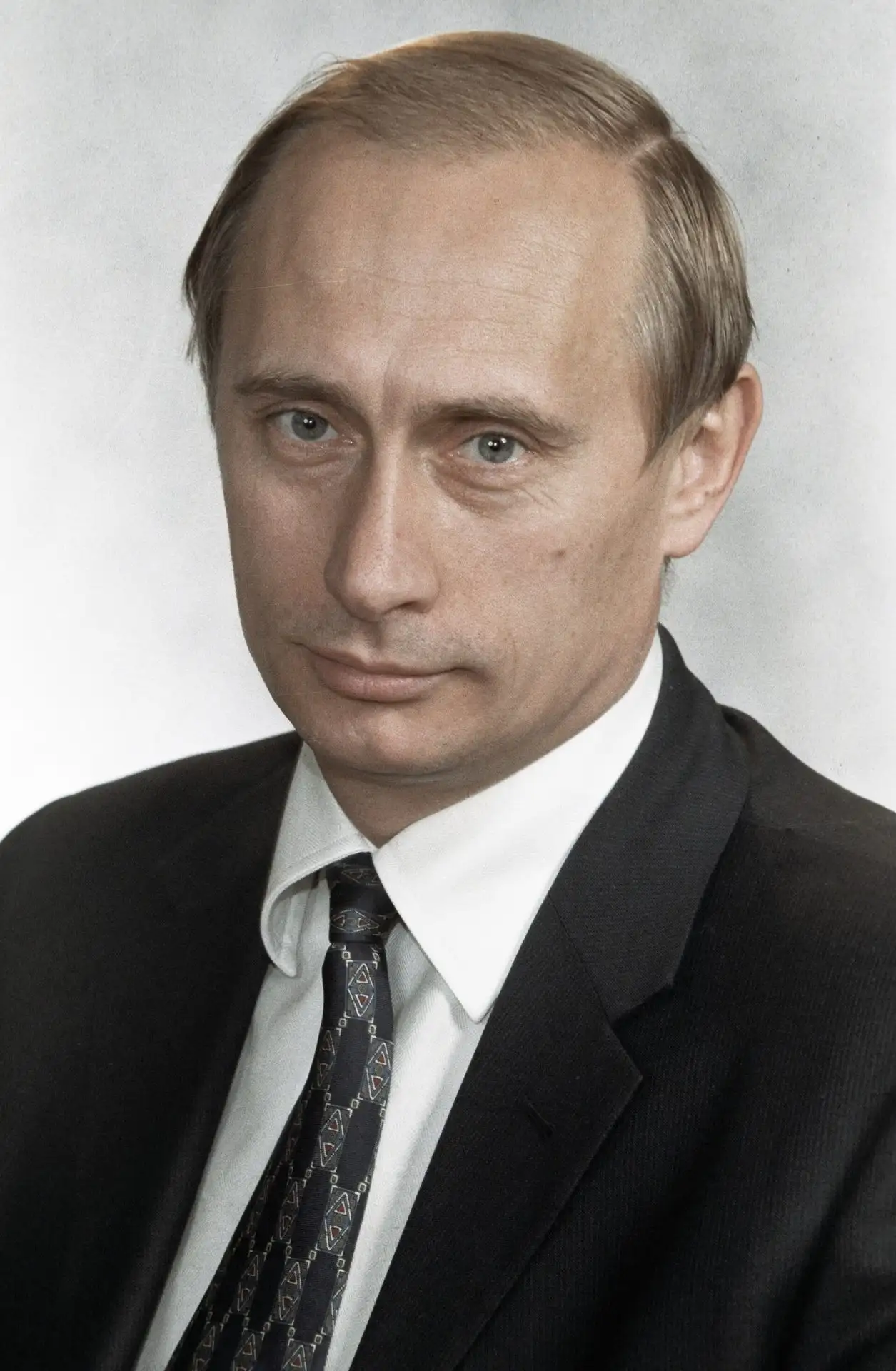
Trump administration shelves business deal proposals intended to persuade Russia over Ukraine war
The US government has abandoned plans to use corporate partnerships and economic incentives to encourage Moscow to end the conflict in Ukraine.

- The Trump administration has abandoned plans to use business deals to encourage Russia to end the Ukraine war.
- Envoys Steve Witkoff and Jared Kushner informed European officials that corporate partnerships are no longer central to the US strategy.
- Russian officials initially showed interest in ventures like oil investments and pipeline involvement but later cooled on the proposals.
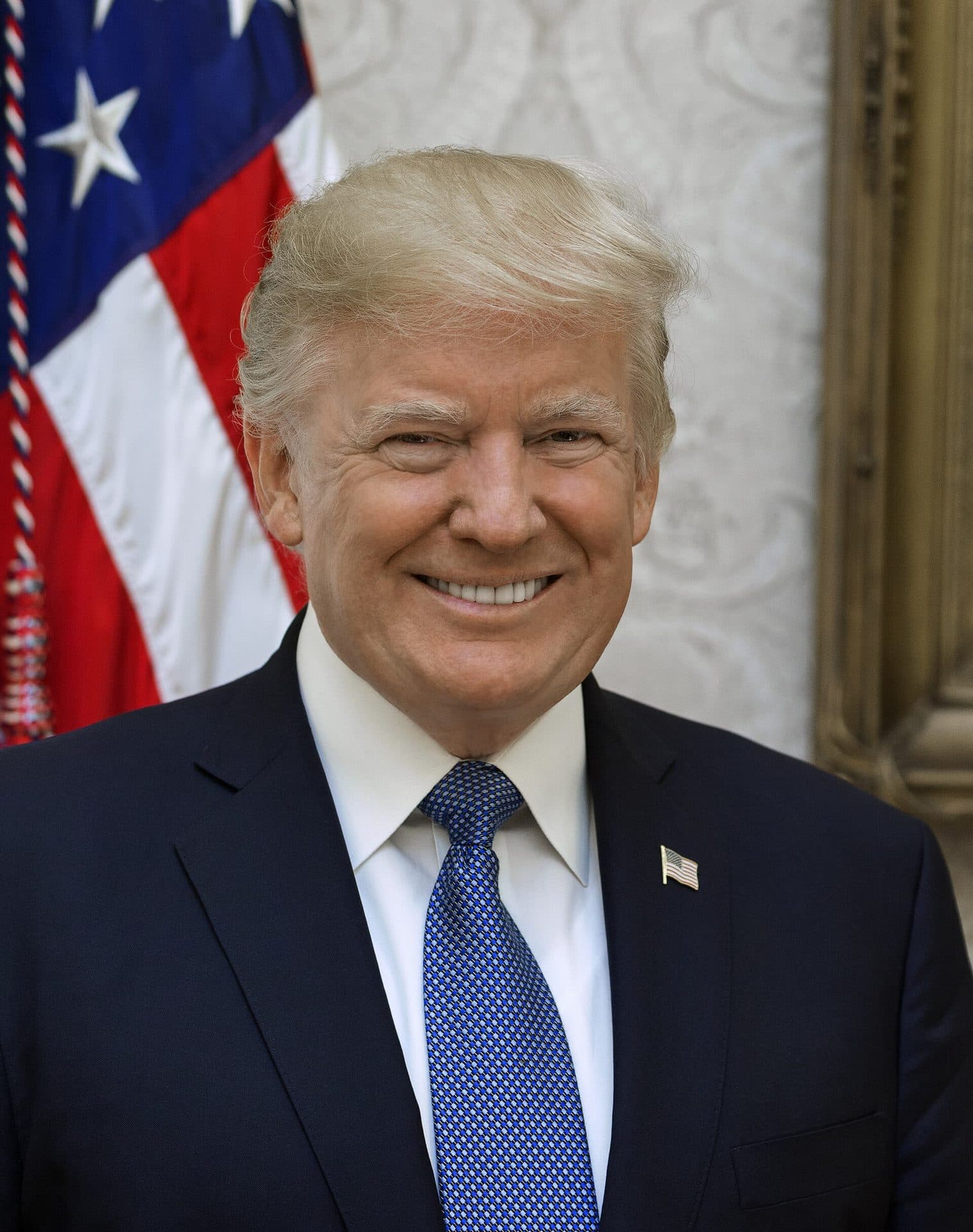
The administration of US President Donald Trump has decided to set aside proposals that sought to use commercial partnerships as an incentive to persuade Moscow to halt its military campaign in Ukraine. According to accounts shared with European officials by US presidential envoys Steve Witkoff and Jared Kushner, corporate tie-ups and business ventures are no longer central components of Washington's diplomatic negotiating approach.
Background on Proposed Commercial Ventures
Prior to shelving the strategy, Jared Kushner and other American representatives explored various postwar commercial concepts intended to encourage diplomatic engagement. These ideas included opening opportunities for US corporations to enter Russia's oil sector, invest in titanium production facilities, and pursue other joint business initiatives. Discussions also touched upon the possibility of integrating an American investor into the Nord Stream gas pipeline network, which previously supplied Russian natural gas to Germany prior to the full-scale invasion in February 2022.
Shifting Russian Stance and Territorial Demands
While Russian officials initially displayed a positive reception toward the prospect of foreign investment, interest from Moscow subsequently faded. Sources indicated that Russian counterparts made it clear they were not receptive to that particular style of arrangement, while continuing to demand that Ukraine cede territory and accept other concessions rejected by Kyiv. This diplomatic stalemate coincided with a meeting in Shenzhen, China, where Donald Trump, Russian President Vladimir Putin, and Chinese leader Xi Jinping discussed the ongoing war without achieving a definitive breakthrough.
Related Energy Sanctions Adjustments
Alongside the broader corporate proposals, Washington previously adjusted certain economic restrictions targeting Moscow's energy sector. In October, the US administration temporarily lifted specific sanctions on Russian fuel exports after Moscow agreed to provide diesel to global markets in an effort to stabilize worldwide fuel supplies and reduce prices. However, the broader strategy centered on postwar commercial incentives has now been discontinued.
- US envoys informed European officials of the strategic shift away from corporate incentives.
- Proposals included investments in Russian oil, titanium, and the Nord Stream pipeline.
- The change follows discussions involving leaders in Shenzhen, China, which yielded no breakthrough.
- The administration of US President Donald Trump has decided to set aside proposals that sought to use commercial partnerships as an incentive to persuade Moscow to halt its military campaign in Ukraine.
Spotted an error? · Our editorial policy
UP NEXTGovernment Plans Three Legislative Measures for Women’s Quota and House Seat ExpansionOther angles · #Donald Trump
Timeline →- NewsRussia Approves Historic Military Budget as Defense Spending Hits Post-Soviet High
- NewsDonald Trump Wishes New James Bond Actor Robert Pattinson Luck and Recalls Past Tweets
- NewsTrump and NATO Chief Rutte Discuss Ukraine Ceasefire, Iran Nuclear Threat, and Greenland Deal at Mar-a-Lago
- NewsTrump Comments on Pattinson’s James Bond Casting During Oval Office Interview
More from World Politics

Bangladesh Speaker Suggests Potential ICJ Action for Sheikh Hasina’s Extradition
Canadian Supreme Court Upholds Quebec’s Public Sector Religious Symbols Ban
Danish Foreign Minister Visits Bengaluru to Expand Tech and Defense Ties with India