Government Plans Three Legislative Measures for Women’s Quota and House Seat Expansion
The administration intends to introduce three bills implementing a 33 percent women’s reservation and expanding parliamentary and assembly seats by 50 percent prior to the 2029 general elections.

- Government plans three bills for 33 percent women reservation before 2029 elections
- Lok Sabha and state assembly seats to expand by 50 percent with maximum 850 seats
- Constituency boundaries based on 2011 census and ratios determined by 1971 census
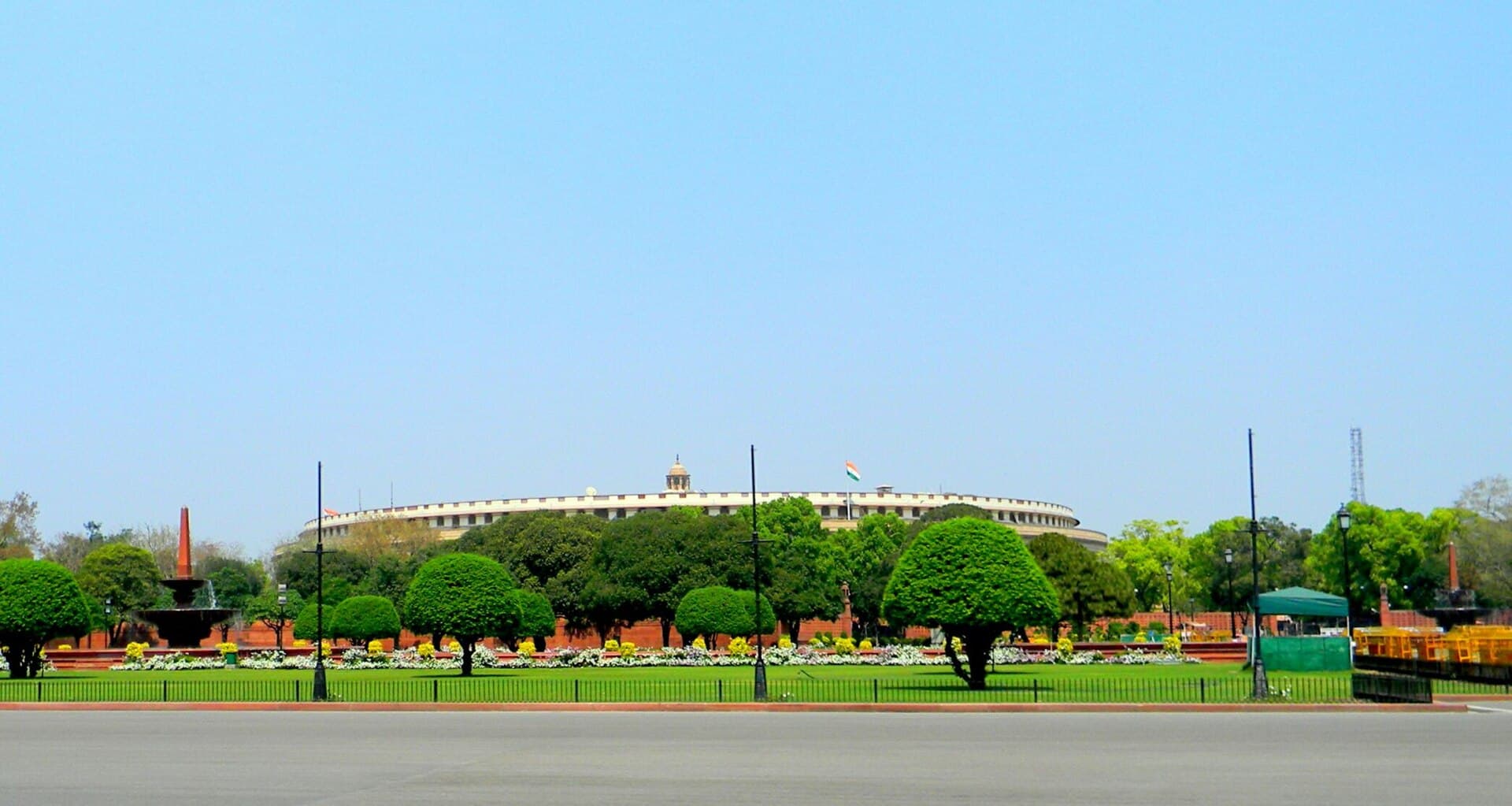
The administration is preparing to introduce three distinct legislative measures to secure a 33 percent reservation for women in the Lok Sabha and state assemblies ahead of the 2029 parliamentary elections. Official sources stated that the upcoming package includes a 50 percent expansion in legislative seats for every state, bringing the maximum limit for Lok Sabha constituencies up to 850. Government representatives expressed strong optimism regarding the passage of these measures following consultations with various political parties and leaders to secure full assurances.
Legislative Structure and Constitutional Amendments
The legislative plan involves three separate measures, consisting of two constitutional amendment proposals designated as the 131st and 132nd bills alongside a third proposal concerning Union territories. The 132nd bill for boundary redrawing differs significantly from the iteration that failed in the Lok Sabha during April, incorporating major amendments across at least eight articles of the Constitution. Before presenting the new package, current delimitation and Union territory bills pending in the Lok Sabha will be formally withdrawn to make way for debate and voting.
Constituency Delimitation and Population Ratios
To address concerns raised by southern states regarding successful population control measures compared to northern regions, the reconstitutional boundaries will follow the 2011 census while constituency ratios rely on the 1971 census. Official sources confirmed that demands from the Dravida Munnetra Kazhagam to protect Tamil Nadu’s existing 7.18 percent share of Lok Sabha seats will be honored. Furthermore, the constituency boundaries will remain frozen for a duration of 25 years until 2051.
Reservation Duration and Regional Applications
The women’s reservation component will initially apply for a 15-year period, modeled after the initial constitutional provisions for Scheduled Castes and Scheduled Tribes, with rotation of reserved seats occurring after every term. While smaller Union territories like Lakshadweep and the Andaman and Nicobar Islands are excluded from the 50 percent constituency increase, states like Mizoram and Nagaland are expected to see their seat counts rise from one to two. Following the legislative passage, a delimitation commission will be constituted immediately, and the Modi administration intends to seek ratification from 50 percent of state assemblies as a matter of convention.
- Three bills will implement 33 percent women's quota and 50 percent seat increase before 2029.
- Constituency boundaries will use the 2011 census while ratios rely on the 1971 census.
- Tamil Nadu's 7.18 percent share of seats will be protected following DMK demands.
- The administration is preparing to introduce three distinct legislative measures to secure a 33 percent reservation for women in the Lok Sabha and state assemblies ahead of the 2029 parliamentary elections.
Spotted an error? · Our editorial policy
UP NEXTNottingham Forest Stun Chelsea 3-2 as Gibbs-White Double Deepens Blues CrisisSwipe more stories · Indian PoliticsQuick cards, a few lines each. Tap to open.More from Indian Politics
Government Proposes New Delimitation Legislation to Implement Women’s Reservation
Supriya Sule to Skip INDIA Bloc Meeting Due to Sharad Pawar’s Hospitalisation
Shashi Tharoor Criticizes DMK Over Stance on Proposed Delimitation and Lok Sabha Seat Increase