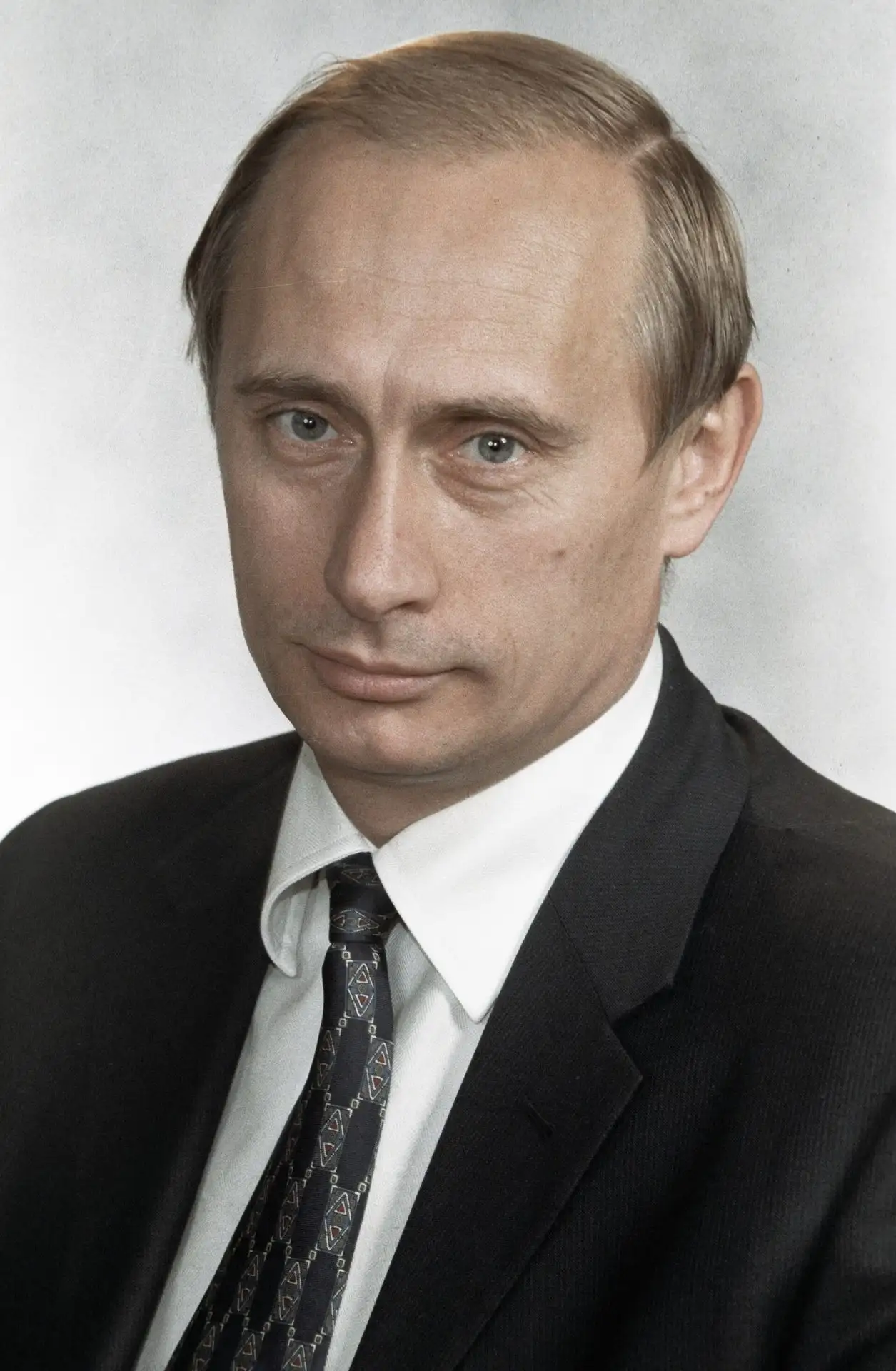
Trump and NATO Chief Rutte Discuss Ukraine Ceasefire, Iran Nuclear Threat, and Greenland Deal at Mar-a-Lago
Former President Donald Trump met with NATO Secretary General Mark Rutte at his Florida resort, focusing on the Russia-Ukraine war, a humanitarian evacuation led by Melania Trump, Iran’s nuclear ambitions, and a newly finalized agreement over Greenland.

- Trump met NATO Secretary General Mark Rutte at Mar-a-Lago on Wednesday, with Ukraine war as primary focus.
- Melania Trump brokered a short-term ceasefire enabling evacuation of over 800 civilians; Rutte praised the initiative.
- Trump said Putin wants a deal to end the war but cited personal hatred between Putin and Zelenskyy as main obstacle.
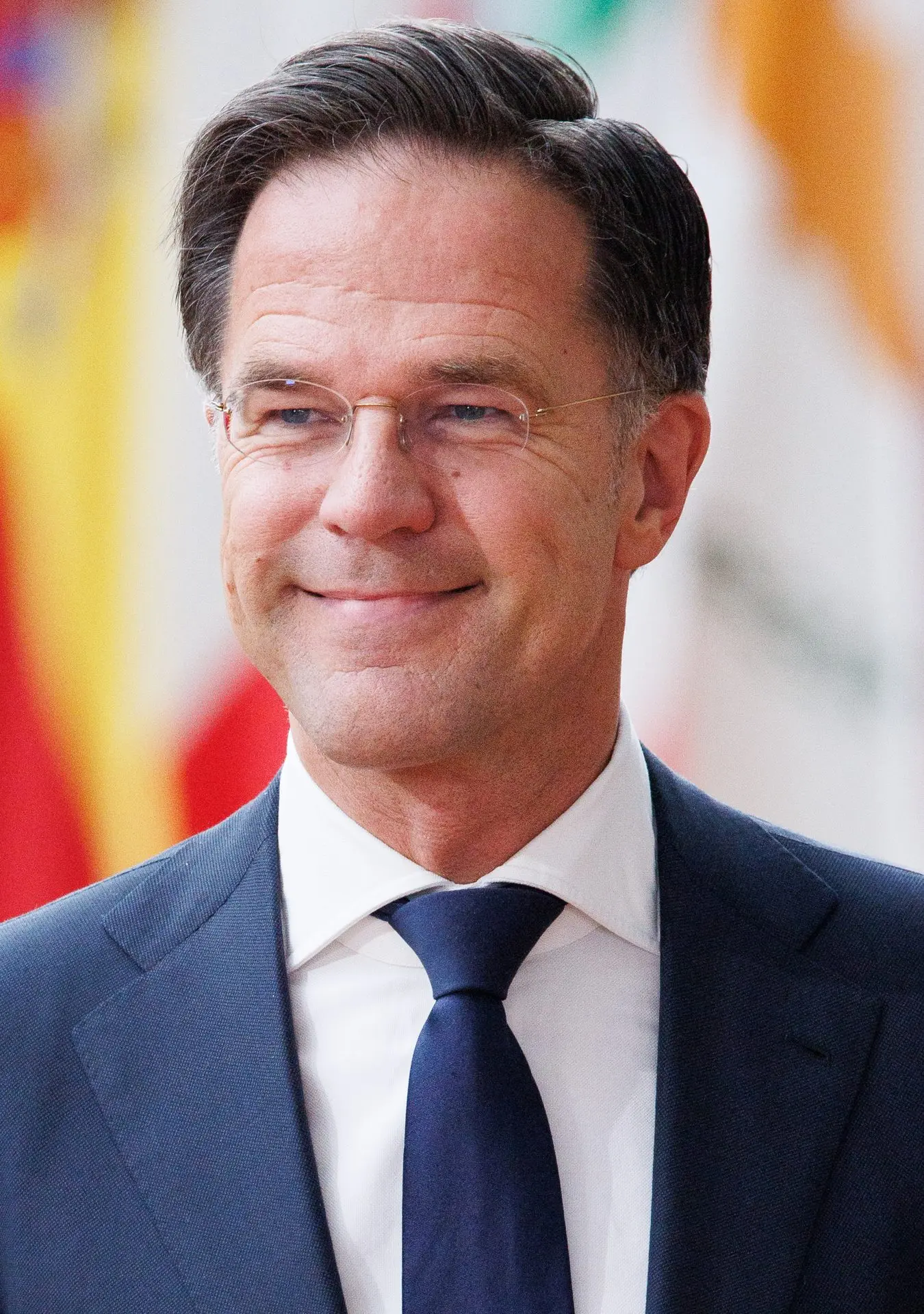
Former President Donald Trump hosted NATO Secretary General Mark Rutte at his Mar-a-Lago residence in Florida on Wednesday for talks that centered on the ongoing Russia-Ukraine conflict, according to remarks Trump made the following day during a Thanksgiving call with U.S. military personnel. Speaking alongside First Lady Melania Trump, the former president told reporters that the war in Eastern Europe dominated the agenda, describing the discussion as heavily focused on finding a path toward a peaceful resolution.
Humanitarian ceasefire and evacuation efforts
A significant portion of the conversation reviewed a short-term ceasefire in Ukraine that Melania Trump helped broker, which facilitated the evacuation of more than 800 civilians from conflict zones. Trump said Rutte examined the details of the initiative and praised the effort, quoting the NATO chief as calling it "amazing." The former president added that the evacuees included vulnerable populations across the age spectrum, from young children to the very elderly, and characterized the situation on the ground as "a very sad situation."
Trump's assessment of Putin and Zelenskyy
In comments made prior to the Mar-a-Lago meeting, Trump asserted that Russian President Vladimir Putin "would like to make a deal" to end the war, emphasizing his own priority of stopping the loss of life. He also described the personal animosity between Putin and Ukrainian President Volodymyr Zelenskyy as the biggest obstacle to a settlement, stating that the two leaders "really hate each other" and that adopting a confrontational stance would replicate the current deadlock.
Iran nuclear ambitions and NATO posture
Beyond Ukraine, the two leaders addressed preventing Tehran from acquiring nuclear weapons. Trump said Rutte made clear that NATO does not want Iran to possess a nuclear weapon and noted that the alliance has "got a lot of people surrounding in various areas" and is becoming "more and more involved" in the region. The discussion reflected an expanded allied posture toward the Iranian nuclear threat.
Greenland agreement finalized
Trump also confirmed that a deal concerning Greenland had been concluded, a pact he said "everyone said was not makeable." He thanked Denmark for its cooperation, describing the Danish government as "great" in facilitating the agreement. The strategically important territory has been a subject of U.S. interest for its Arctic positioning and resource potential.
NATO joint statement highlights solidarity and defense spending
Following the Wednesday meeting, NATO released an official joint statement describing the encounter as an "outstanding meeting" that was "very impactful." The statement identified the Russia-Ukraine war and the conflict in Iran as primary subjects, alongside "record-setting achievements" from recent summits in The Hague and Ankara. Both leaders affirmed solidarity toward a peaceful resolution of the prolonged conflict and stressed the importance of Russia avoiding actions that could intentionally or unintentionally expand the war.
Commitment to increased defense investment
The joint statement also noted that Trump and Rutte discussed "the importance of continuing to expand defense spending and investment in our industrial base, both in the United States and across NATO." This emphasis aligns with long-standing alliance goals of burden-sharing and strengthening collective defense capabilities amid ongoing security challenges in Europe and beyond.
Context from recent trilateral summit in Shenzhen
The Mar-a-Lago talks followed a November 19 meeting in Shenzhen, China, on the sidelines of the Asia-Pacific Economic Cooperation summit, where Trump, Putin, and Chinese President Xi Jinping discussed international security, the Russia-Ukraine war, and nuclear arms control. Trump described that gathering as historic, though a subsequent joint peace declaration did not announce any concrete agreement on arms reduction.
Ongoing diplomatic efforts
The series of high-level engagements underscores a continued diplomatic push to address multiple flashpoints simultaneously. While the Mar-a-Lago meeting produced no formal treaty, the discussions covered a broad spectrum of security issues, from humanitarian corridors in Ukraine to nuclear non-proliferation in Iran and strategic agreements in the Arctic. The NATO statement's emphasis on rapid peaceful resolution and expanded defense investment signals the alliance's dual-track approach of dialogue and deterrence.
- Trump and Rutte prioritized Ukraine peace efforts, including a humanitarian ceasefire led by Melania Trump. Iran's nuclear ambitions and NATO's regional posture were key discussion points. A previously contested Greenland agreement was finalized with Danish cooperation. Both leaders committed to increased defense spending across the alliance. The talks build on a recent trilateral meeting with Putin and Xi in China.
Spotted an error? · Our editorial policy
UP NEXTMajor Black Friday and Thanksgiving Retail Sales Bring Deep Discounts on Tech HardwareOther angles · #Donald Trump
Timeline →- NewsRussia Approves Historic Military Budget as Defense Spending Hits Post-Soviet High
- NewsDonald Trump Wishes New James Bond Actor Robert Pattinson Luck and Recalls Past Tweets
- NewsTrump Comments on Pattinson’s James Bond Casting During Oval Office Interview
- NewsTrump Defends Huang’s Return as Nvidia CEO, Dismisses Security Concerns
More from World Politics
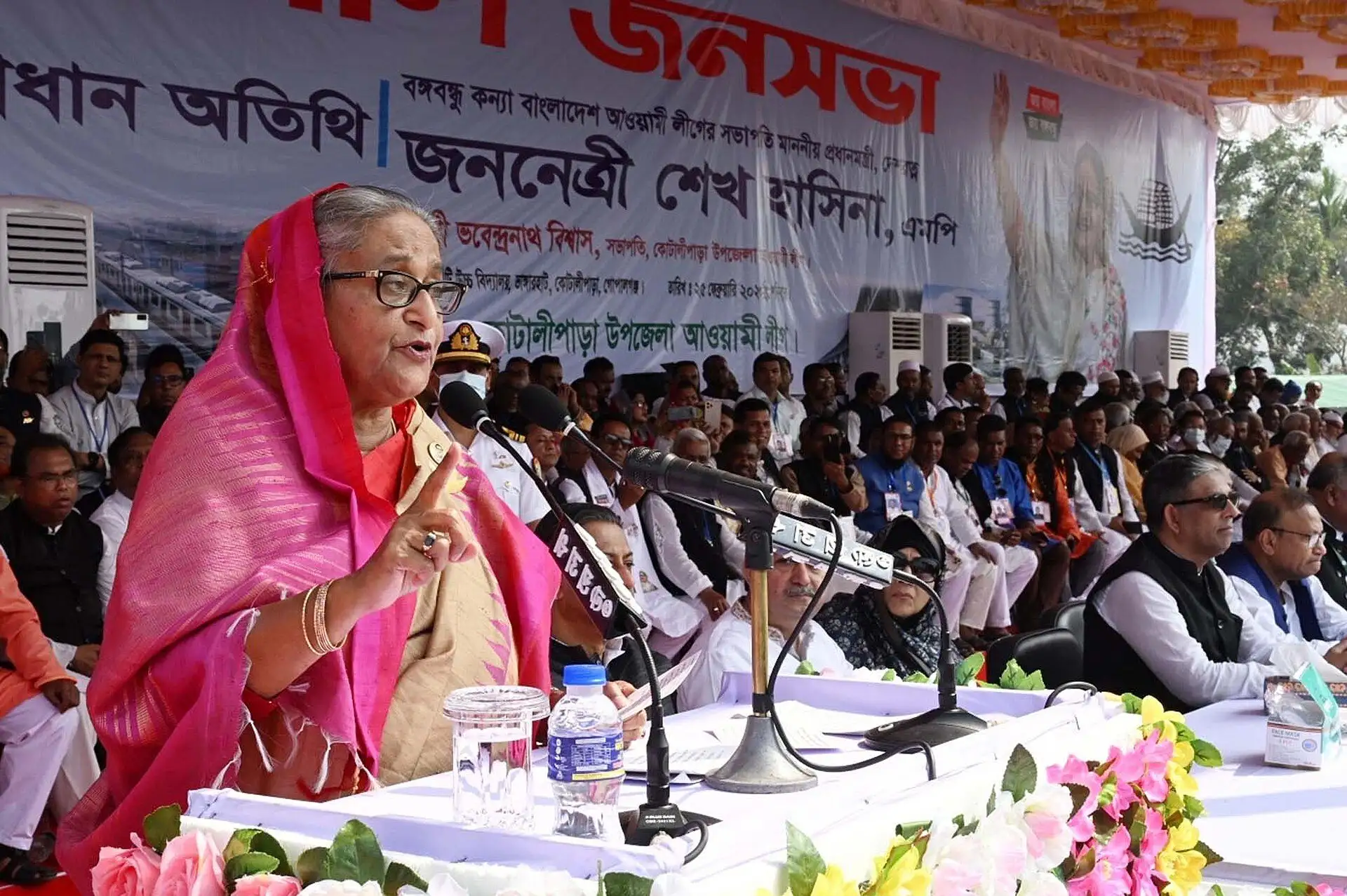
Bangladesh Speaker Suggests Potential ICJ Action for Sheikh Hasina’s Extradition
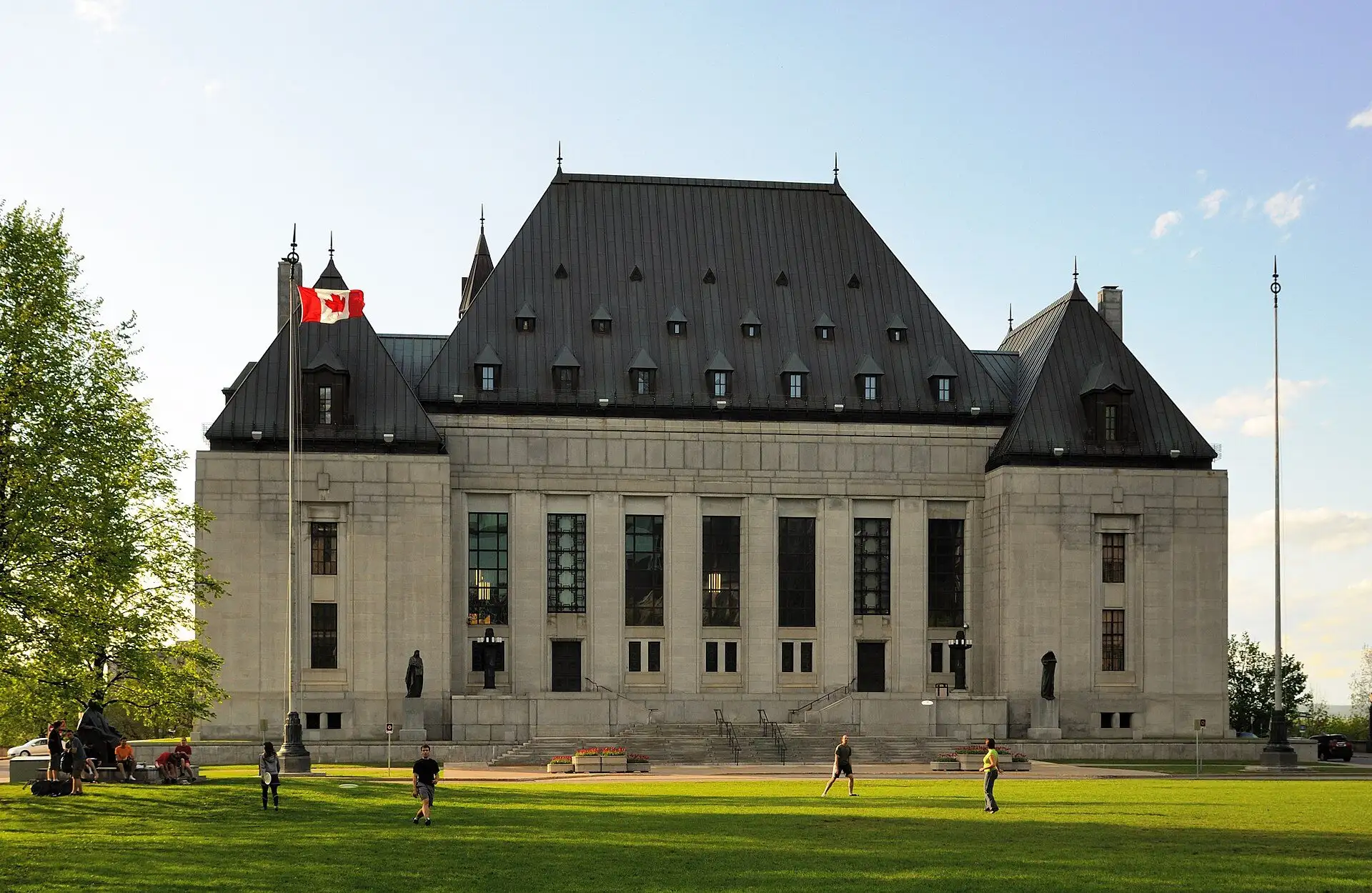
Canadian Supreme Court Upholds Quebec’s Public Sector Religious Symbols Ban
Danish Foreign Minister Visits Bengaluru to Expand Tech and Defense Ties with India