German Chancellor Merz Cites Escalating Russian Threats in Defense of Ukraine Aid
Chancellor Friedrich Merz defended continued military support for Ukraine while outlining a significant expansion of German defense spending to combat broader European security risks.

- Chancellor Merz warned of Russian escalations across Europe, including in the Baltic and within Germany.
- The German government plans to increase defense spending to over €200 billion by 2030, reaching 3.7% of GDP.
- Merz advocated for an EU budget focused on security and competitiveness ahead of upcoming leadership summits.
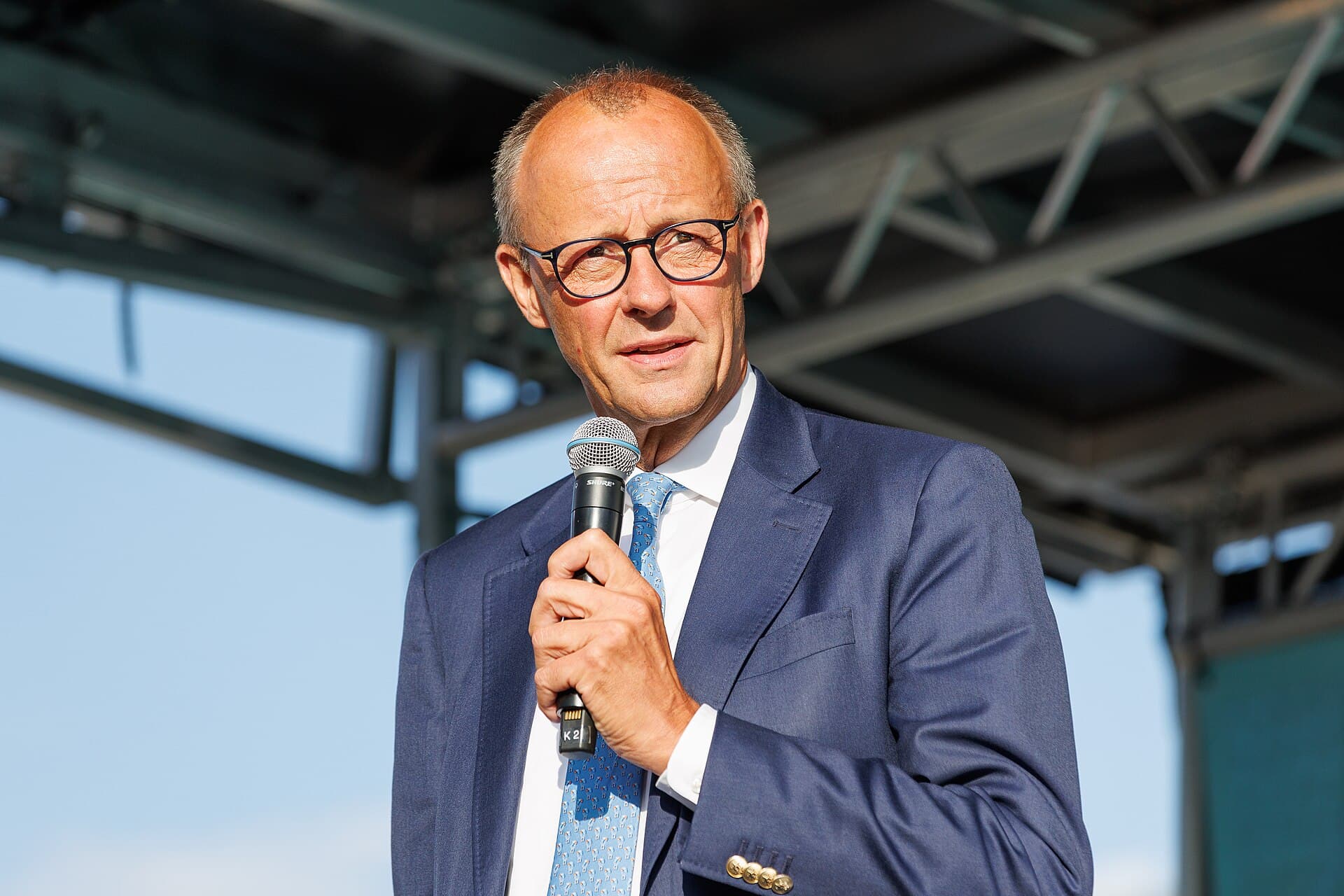
German Chancellor Friedrich Merz warned that Russian geopolitical ambitions extend far beyond the conflict in Ukraine, citing escalating aggression across the Baltic region, Poland, and the Black Sea. During a Bundestag debate on the 2027 draft budget, Merz stated that Moscow is also active in space and has engaged in subversive activities within Germany, characterizing the situation as an urgent security threat to the continent.

Defense Spending and Strategic Cooperation
Addressing opposition from both the far-right Alternative for Germany (AfD) and the hard-left Die Linke, Merz defended the government's commitment to sustaining military aid for Kyiv. He argued that this support acts as an investment in national security and provides critical technological insights for both civilian and defense industries. Despite public opinion polls showing a narrow majority of German citizens now oppose further military assistance due to cost-of-living concerns, the administration is moving forward with a major fiscal shift.
The government's draft budget proposes increasing defense expenditure to over €200 billion ($228 billion) by 2030, a move designed to raise defense spending to 3.7% of national economic output. This trajectory is intended to align Germany with its long-term NATO commitments.
Infrastructure and Regional Security
Merz’s remarks followed a series of persistent tensions between Berlin and Moscow. German authorities have previously accused Russia of orchestration regarding an attempted drone attack at Leipzig/Halle airport in September, a charge the Russian Embassy in Berlin rejected as anti-Russian rhetoric. Additionally, European nations have experienced a surge in cyberattacks and sabotage targeting critical infrastructure, often attributed by local officials to Russian actors, though Moscow has consistently denied involvement and maintained that its actions are strictly for national security.
Priorities for European Union Funding
In addition to national security, Merz outlined Germany's position on the upcoming European Union budget for the 2028-2034 cycle. Responding to a proposal from European Council chief Antonio Costa, which suggests reducing the seven-year budget to €1.582 trillion—roughly €40 billion lower than previous estimates—Merz advocated for strict fiscal discipline. He urged EU leaders to concentrate financial resources specifically on security and economic competitiveness, describing such focused spending as essential insurance for European stability. EU leaders are set to deliberate on these budgetary proposals during a special summit scheduled for the coming days.
- Chancellor Merz officially linked support for Ukraine to Germany's own national security interests.
- Germany aims to hit a defense spending target of 3.7% of GDP by 2030.
- The German government is pushing for a leaner, more focused European Union budget for 2028-2034.
- German Chancellor Friedrich Merz warned that Russian geopolitical ambitions extend far beyond the conflict in Ukraine, citing escalating aggression across the Baltic region, Poland, and the Black Sea.
Spotted an error? · Our editorial policy
UP NEXTGovernment Proposes New Delimitation Legislation to Implement Women’s ReservationOther angles · #defense spending
Timeline →More from World Politics

Bangladesh Speaker Suggests Potential ICJ Action for Sheikh Hasina’s Extradition

Canadian Supreme Court Upholds Quebec’s Public Sector Religious Symbols Ban
Danish Foreign Minister Visits Bengaluru to Expand Tech and Defense Ties with India