NATO scales back high-level gatherings and cancels planned summit in Albania
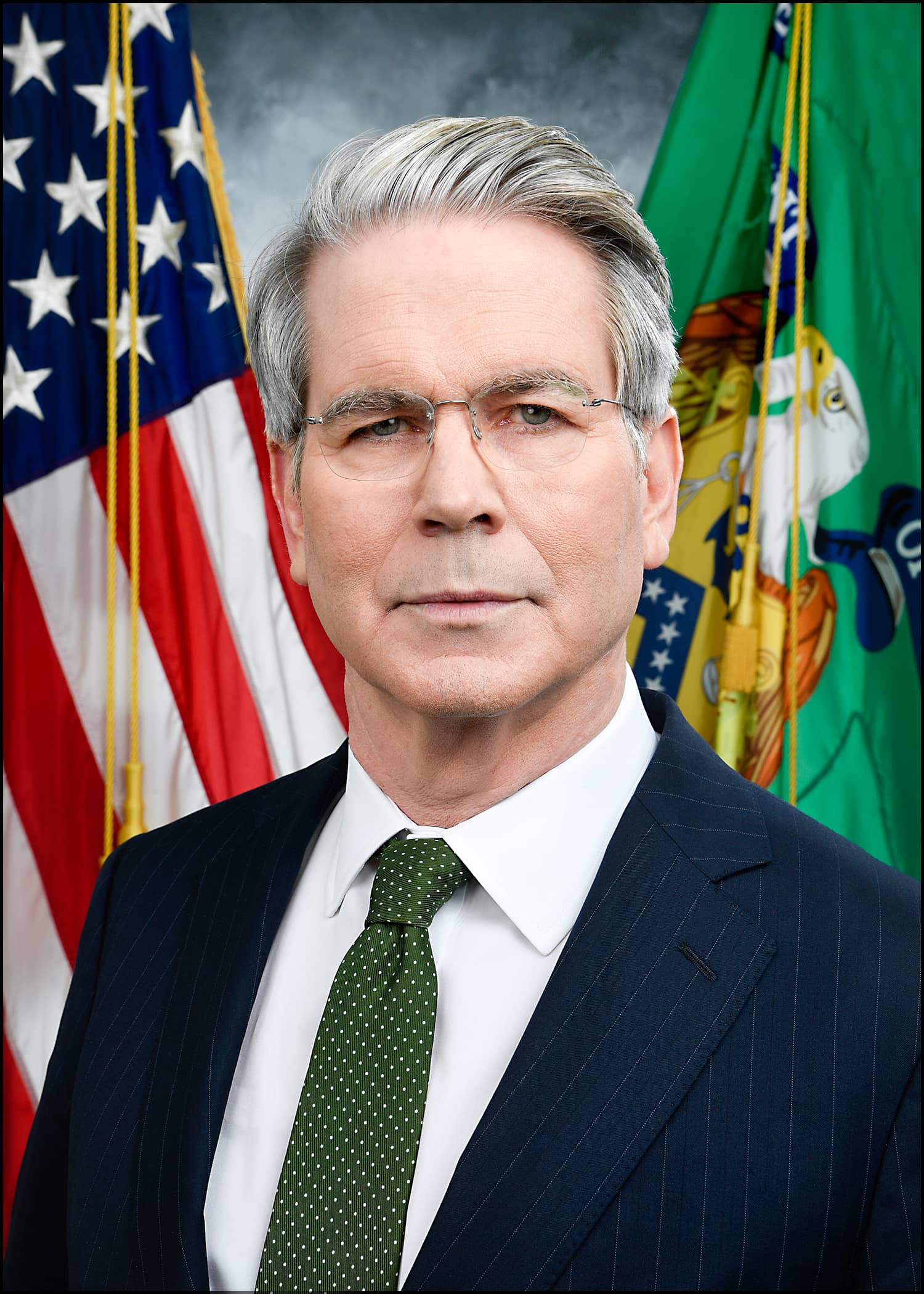
NATO is reducing its high-level diplomatic schedule and dropping plans for an upcoming leadership summit in Albania amid internal debates over defense contributions and geopolitical tensions.

- NATO canceled its planned leadership summit in Albania for next year amid internal alliance tensions.
- Ministerial meetings are also being reduced under a new organizational package.
- Albania is projected to spend 2.15 percent of its GDP on defense this year, falling short of broader alliance targets.
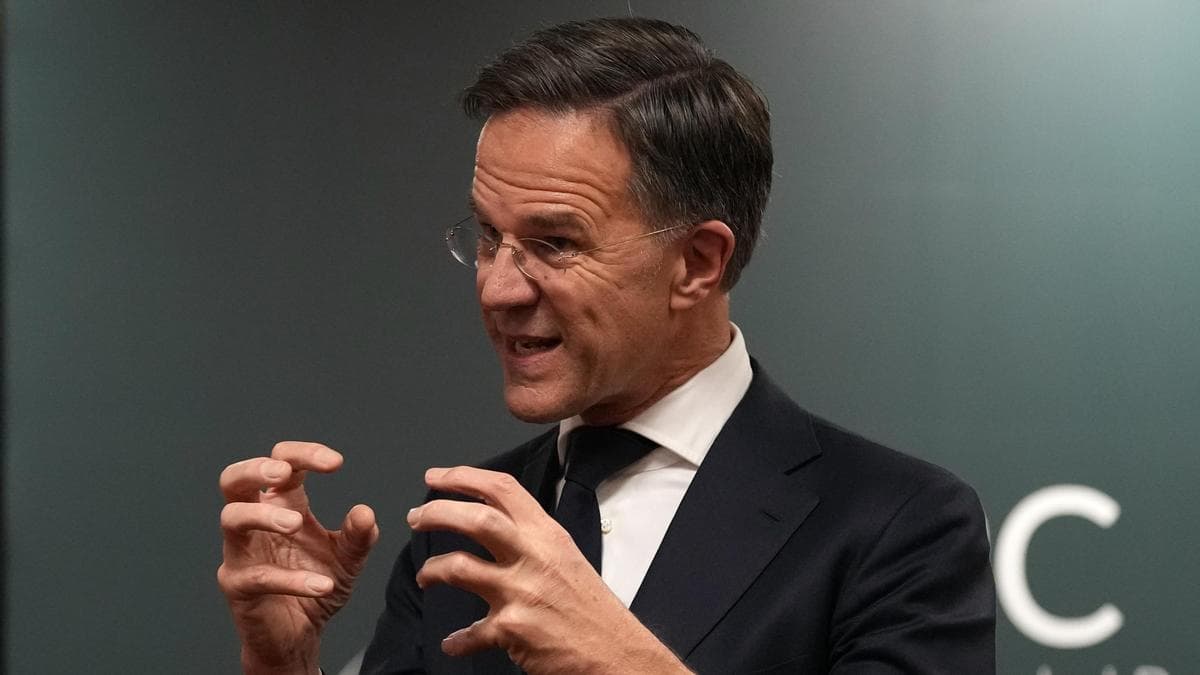
The military alliance is trimming its schedule of high-profile gatherings, omitting a planned leadership meeting that was scheduled to take place in Albania during the coming year. Albanian Prime Minister Edi Rama stated that consensus has not been reached regarding a future date for the event, though a gathering in Tirana remains possible by 2028. Secretary-General Mark Rutte minimized the scheduling change, noting that major meetings occur according to operational necessity rather than rigid schedules.
Ministerial Cuts and Financial Burdens
The reduction in diplomatic events extends beyond annual leadership summits to include regular ministerial sessions. Defense ministers missed a scheduled October meeting, and no talks are slated for October of the following year. Foreign ministers will similarly meet once instead of twice over the coming year under a broader administrative reorganization. U.S. Defense Secretary Pete Hegseth and Secretary of State Marco Rubio have each missed or departed early from alliance sessions since taking office, with Hegseth utilizing defense gatherings to press European partners and Canada on military investments.
Defense Spending Debate and Host Criteria
The scuttled event in Albania underscores persistent friction regarding financial commitments within the bloc. Although slated to host in 2025, Albania saw its designation removed from a summer declaration as certain members expressed hesitation over rewarding a nation projected to allocate 2.15 percent of its gross domestic product toward defense. Current alliance targets demand that member states dedicate 3.5 percent to core defense by 2035 alongside 1.5 percent for infrastructure. Members such as Spain, Belgium, and Slovenia register lower spending levels than Albania.
Logistical Complexities and Strategic Evaluation
Organizing large-scale summits demands substantial fiscal and administrative investments. Officials noted that the Netherlands spent roughly 100 million dollars and dedicated a year of preparation for a prior gathering in The Hague. Security demands and diplomatic friction, including discussions surrounding U.S. positions on Greenland and conflicts involving Iran during prior sessions, add significant political weight to each meeting. Policy analysts suggest that routine gatherings might be unnecessary given recent agreements on military targets, noting that virtual alternatives remain viable during emergencies.
- Secretary-General Mark Rutte emphasized that leadership summits will be scheduled only when operational needs dictate.
- Hosting major alliance events involves significant financial investment and extensive security arrangements.
- Analysts suggest that virtual formats or extended intervals between major gatherings are practical options when specific agenda items are limited.
Spotted an error? · Our editorial policy
UP NEXTDadasaheb Phalke International Film Festival Awards 2026: Taylor Swift and James Cameron Among WinnersSwipe more stories · World PoliticsQuick cards, a few lines each. Tap to open.More from World Politics
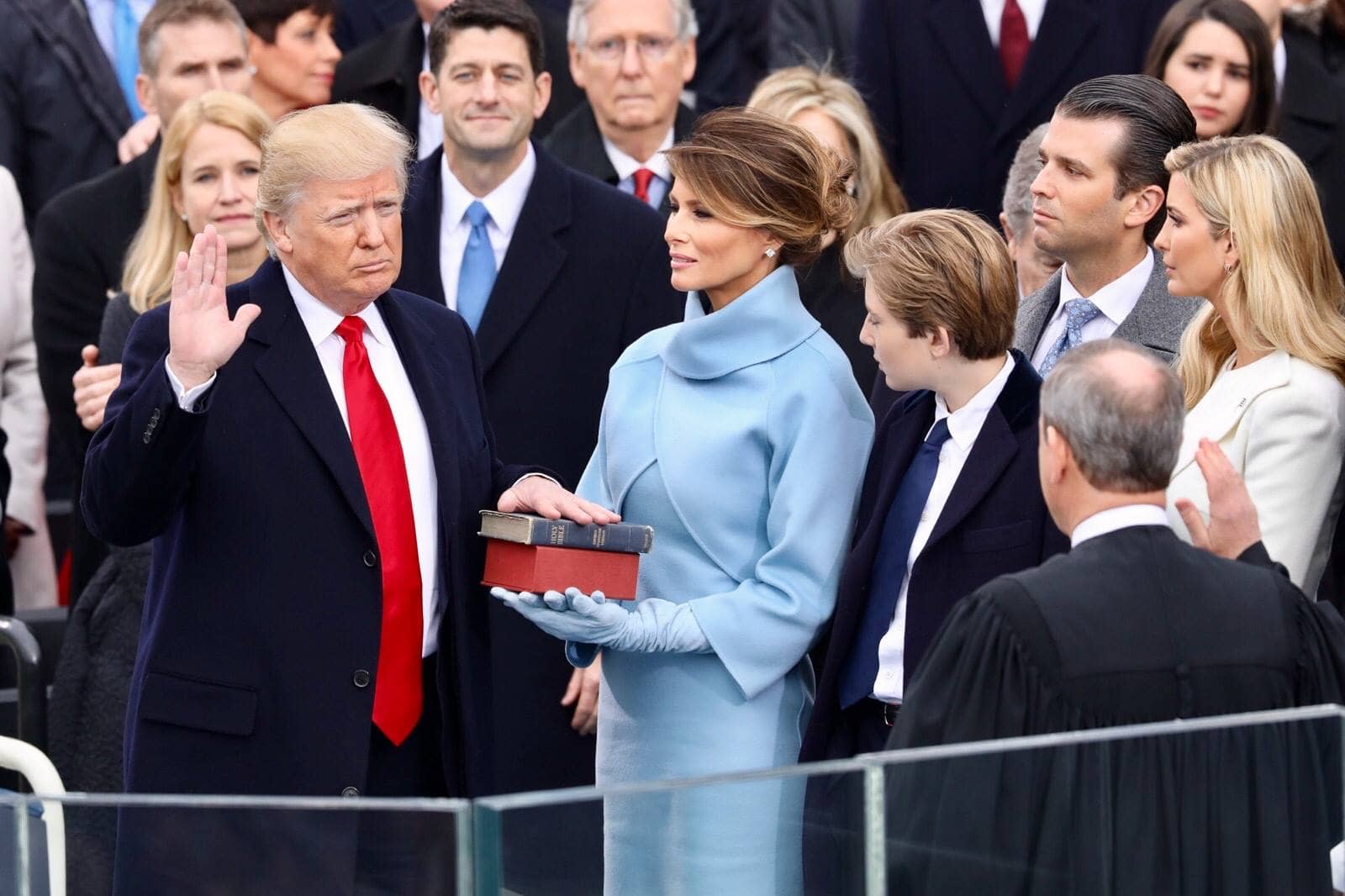
Donald Trump Jokingly Asks White House Chief of Staff Stephen Miller About 2028 Presidential Run
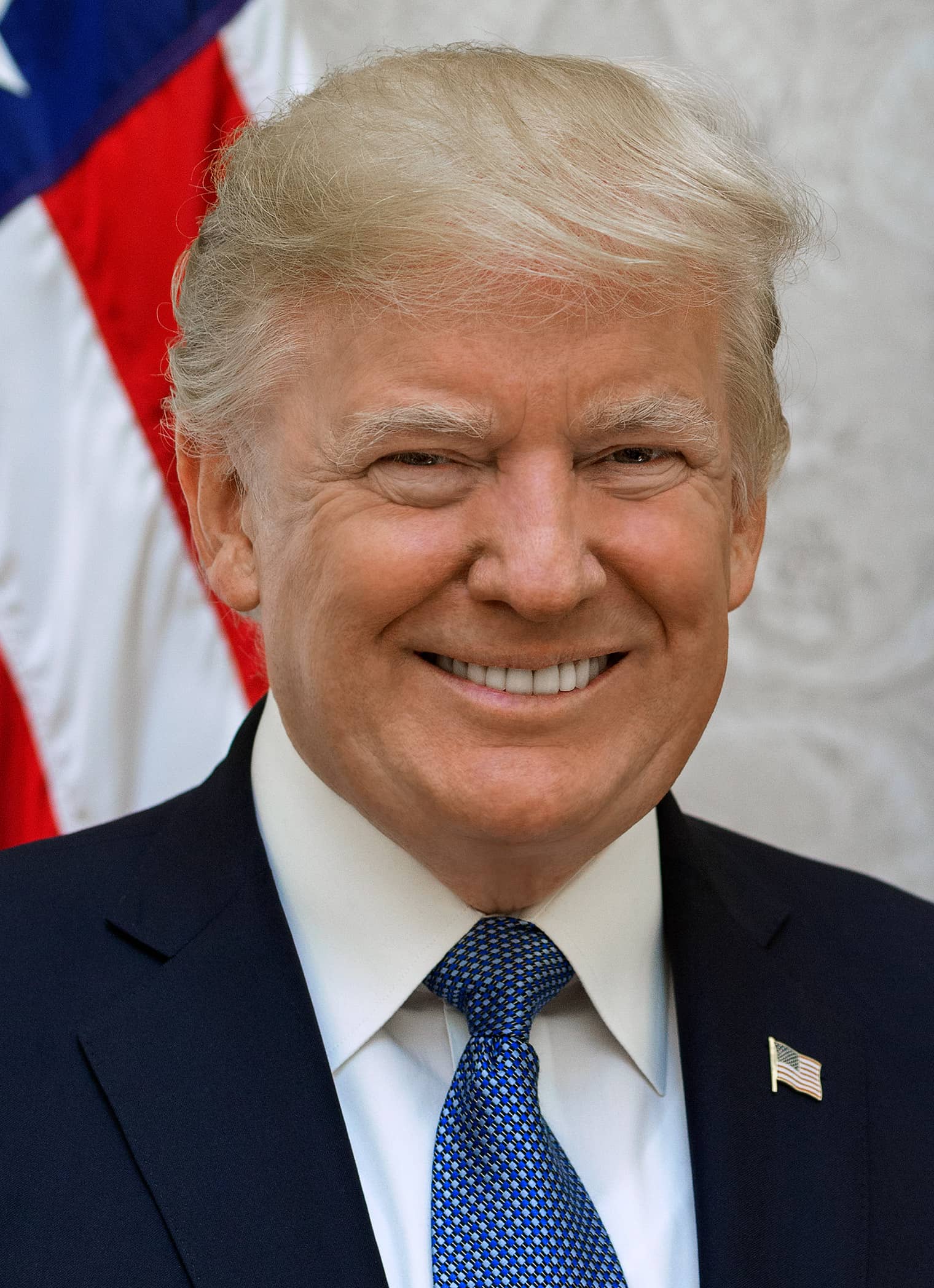
Trump Discusses Nuclear Buildup and AI Safeguards Following Trilateral Summit with Xi and Putin
Trump Threatens Heavy Taxes on US Firms Constructing Data Centers Overseas