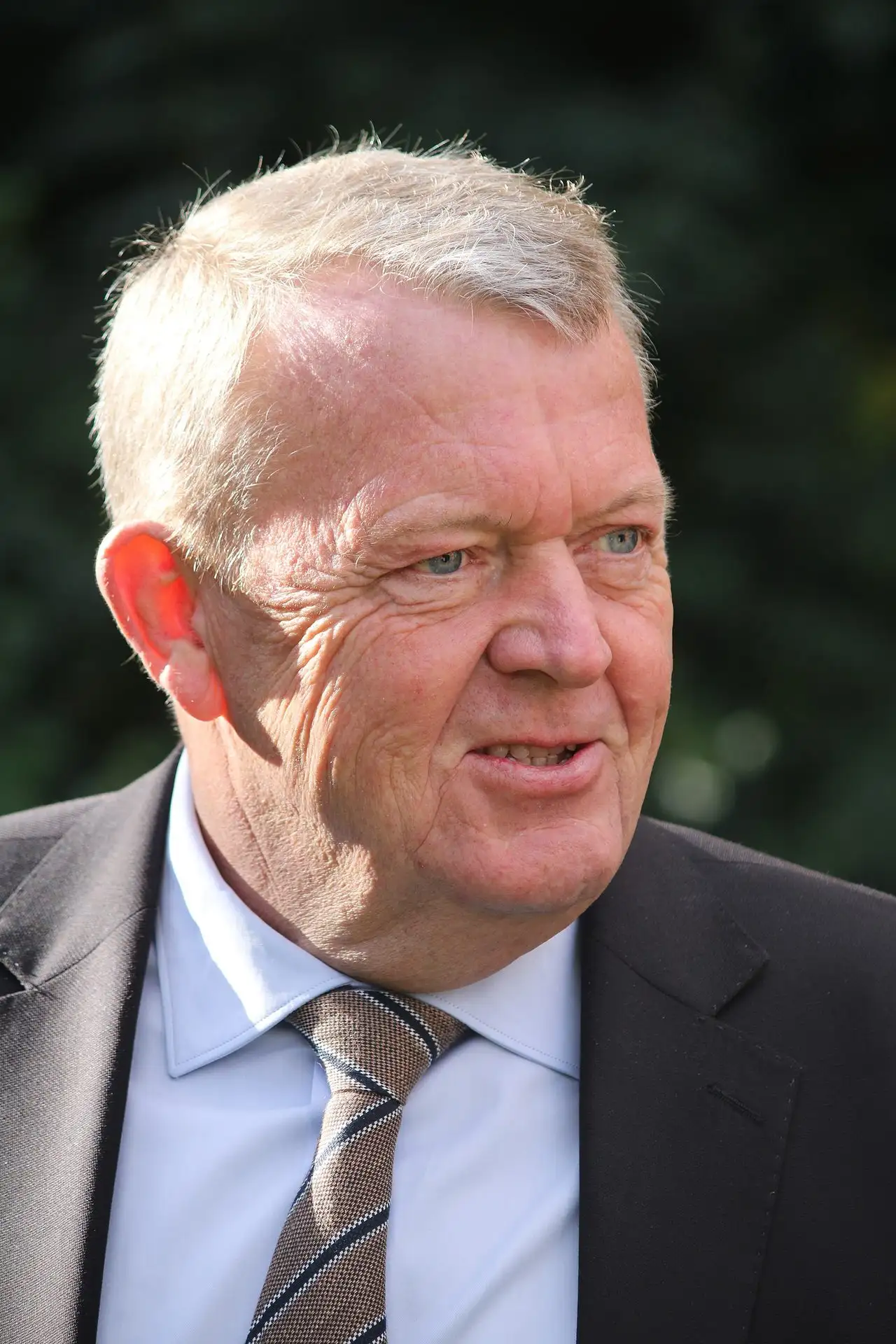
Bessent mocks Pezeshkian’s energy conservation display as Iran crisis deepens
US Treasury Secretary Scott Bessent sarcastically wished Iranian President Masoud Pezeshkian a ‘wonderful winter’ after state media showed him working in a dimly lit office to promote energy saving.

- US Treasury Secretary Scott Bessent mocked Iranian President Masoud Pezeshkian's televised energy conservation gesture on X.
- Washington Post report showed Pezeshkian in a dimly lit office with thermostat at 65°F, framed as a symbolic appeal.
- Iranian Foreign Ministry said the scene was staged to promote public energy saving, not actual hardship.
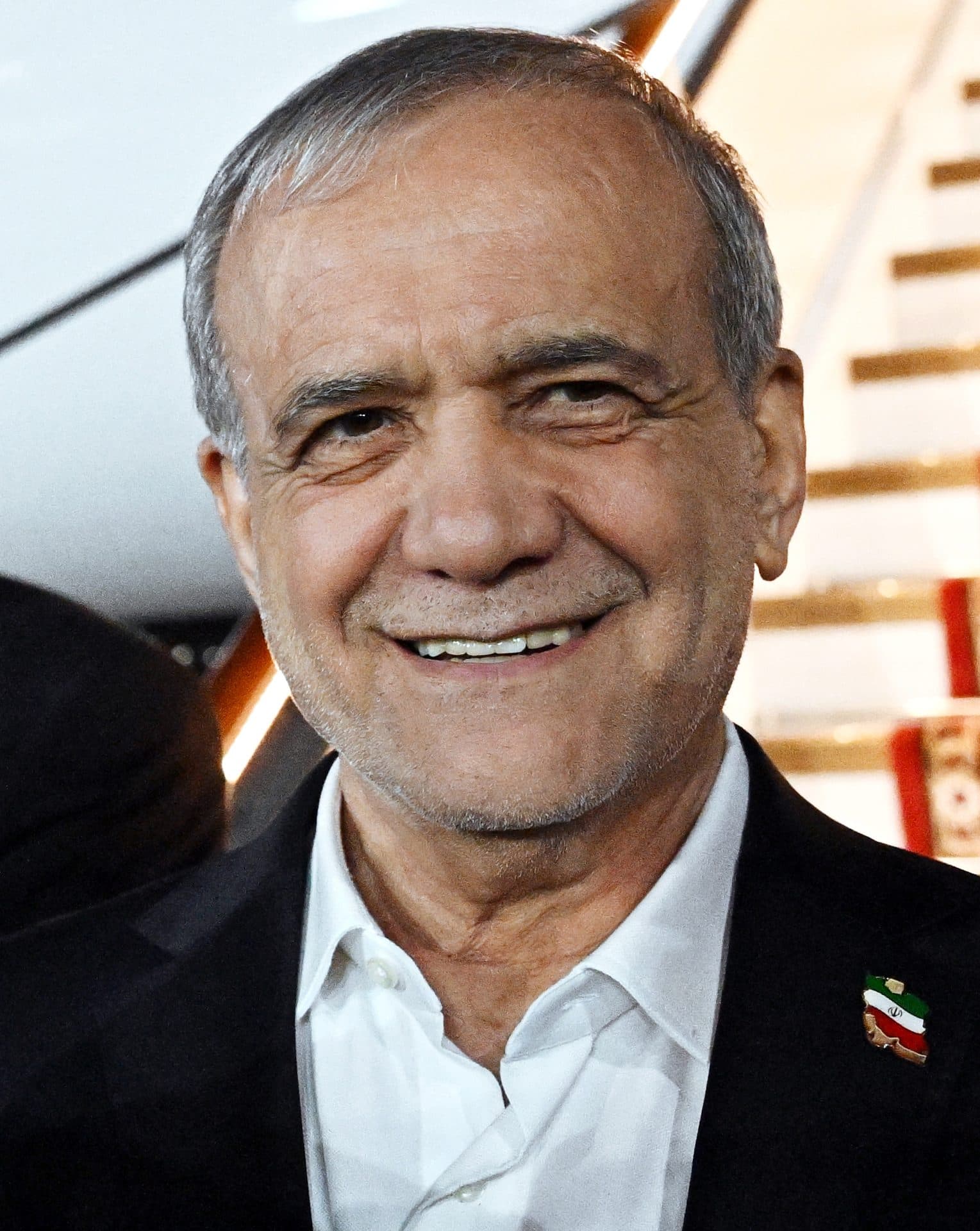
US Treasury Secretary Scott Bessent on Friday mocked Iranian President Masoud Pezeshkian's public energy conservation display, posting a sarcastic message on X after a Washington Post report showed the Iranian leader working in a dimly lit, unheated office. Bessent's post read, "Good job, guys. Have a wonderful winter." The remark came in direct response to a November 22 article that highlighted the Iranian president's televised appearance in a sparsely heated room. The exchange underscores the personal dimension of the escalating rhetorical conflict between the two governments.
The exchange highlights the deepening tension between Washington and Tehran as Iran grapples with a severe energy shortage despite its vast hydrocarbon reserves. The Washington Post attributed the crisis to US economic sanctions and a naval blockade that have restricted Iran's ability to export oil and import refined products. Iran holds some of the world's largest oil and natural gas reserves, yet faces widespread shortages that have forced rolling blackouts and heating cuts. Analysts say the energy crunch has become a visible pressure point in the broader sanctions campaign.
The Washington Post article, published November 22, described footage aired by Iran's state broadcaster IRIB in which Pezeshkian appeared at a desk illuminated only by a desk lamp, with a large chandelier switched off and a thermostat reading 65 degrees Fahrenheit. The segment showed the president wearing a sweater and urging citizens to conserve energy as winter approaches. The Iranian presidency framed the scene as a symbolic appeal for responsible energy consumption across the country. State media presented the gesture as a leadership example during a national hardship.
An Iranian Foreign Ministry official told the newspaper that the setting did not reflect the president's actual working conditions but was staged to promote a culture of conservation among the public. The official emphasized that the gesture was intended to encourage public participation in energy saving measures. The ministry dismissed suggestions that the footage revealed genuine hardship within the presidential office.
Pezeshkian defies pressure, touts development progress
Pezeshkian has repeatedly insisted that external pressure will not halt Iran's development. On Thursday, during the inauguration of the first phase of a new urban train line, he acknowledged that sanctions and war had created difficult conditions but said they had not stopped the country from achieving progress. He called for unity and reliance on domestic strength to continue growth, urging citizens to put aside differences and join hands. The ceremony, reported by IRNA, showcased infrastructure investment as a counter-narrative to economic isolation.
During a visit to Razavi Khorasan Province on Wednesday night and Thursday morning, the president declared that Iranians would stand firm in defending their country and would not bow to pressure from the United States or Israel. His remarks underscored a narrative of resilience amid mounting economic hardship. The provincial tour included meetings with local officials and visits to project sites.
Minab school attack allegations resurface
On Friday, Pezeshkian renewed his criticism of the United States and Israel over a February 28 strike on a primary school in Minab, which he said killed 168 children. In a post on X, he wrote that no agony is greater than a father burying a child and held the US government and Israeli regime responsible for the deaths. He called the incident an exposure of hypocrisy among self-proclaimed human rights defenders. The president's statement coincided with the anniversary of the attack and a renewed diplomatic offensive.
A United Nations fact-finding mission reported in September that it had reasonable grounds to believe the United States was behind the deadly strike and that the attack amounted to a war crime. The UN Independent International Fact-Finding Mission on the Islamic Republic of Iran documented at least 156 fatalities, including about 120 schoolchildren and 26 teachers, with more than 110 injured in the attack on the Shajareh Tayyebeh Primary School. The mission's findings were based on interviews, satellite imagery, and weapons analysis. Al Jazeera reported the mission's conclusions, which have been rejected by Washington.
In June, US President Donald Trump stated that nobody purposefully attacked a school in Iran, citing an ongoing investigation. The divergent accounts remain a point of contention in the broader diplomatic standoff. No independent verification has been publicly released by either side since the UN report.
- Bessent's sarcastic post highlights personal dimension of US-Iran tensions. Iran's energy crisis persists despite vast reserves due to sanctions and blockade. Pezeshkian uses public gestures and infrastructure projects to project resilience. Minab school attack allegations remain a flashpoint with conflicting UN and US accounts.
Spotted an error? · Our editorial policy
UP NEXTNottingham Forest Stun Chelsea 3-2 as Gibbs-White Double Deepens Blues CrisisOther angles · #energy crisis
Timeline →More from World Politics
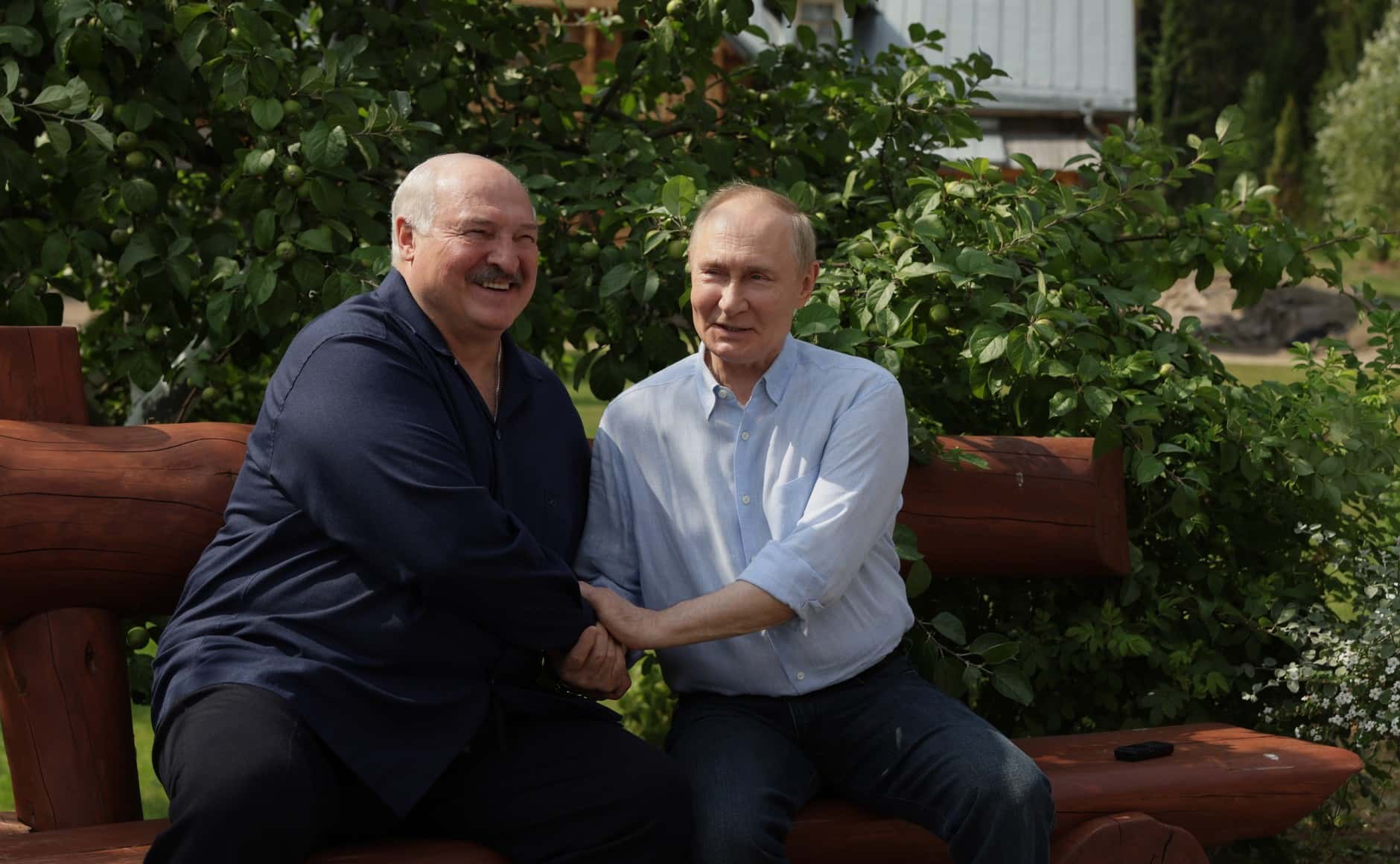
Belarus President Challenges Kremlin’s Historical Justification for Ukraine Conflict
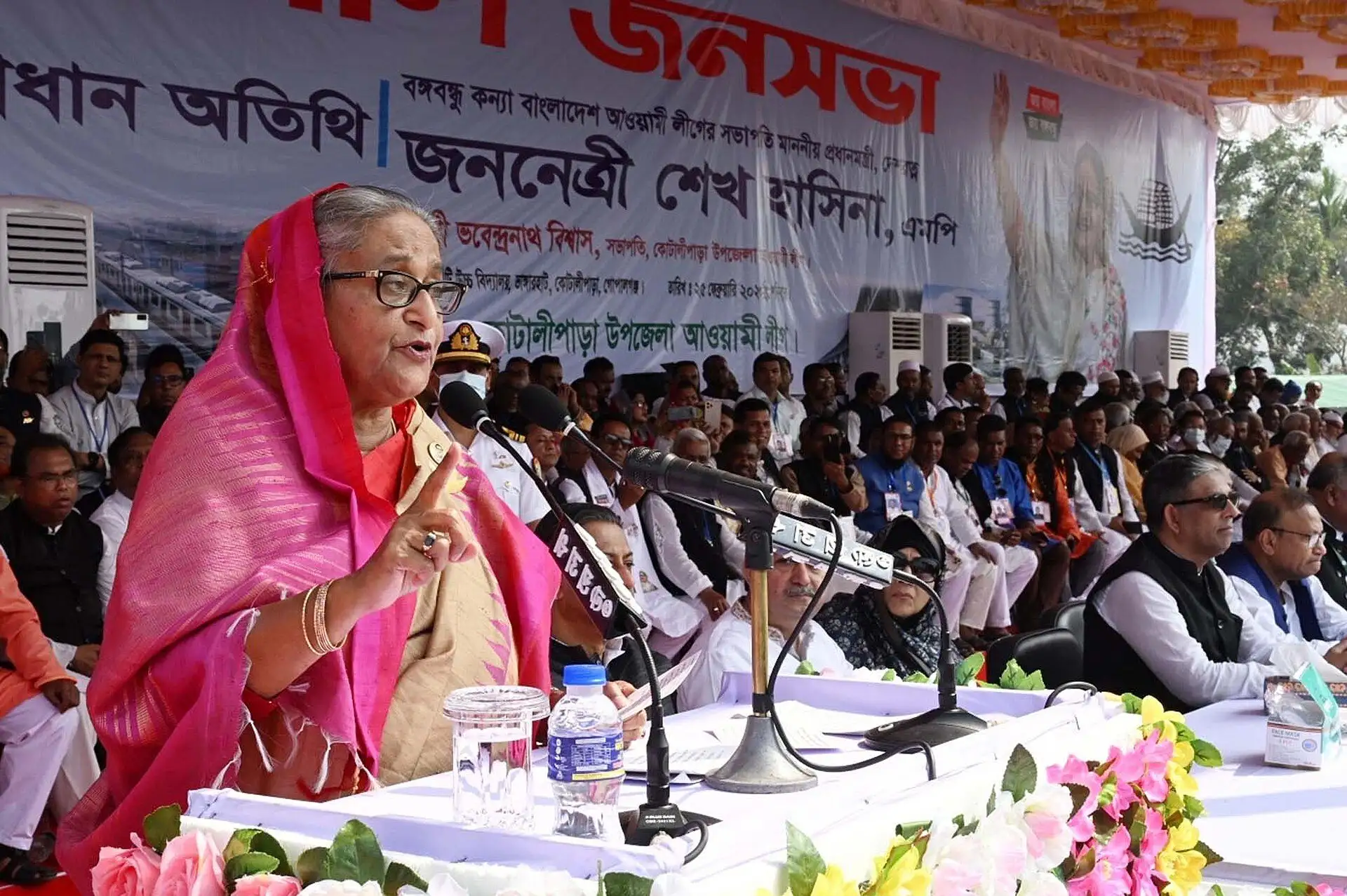
Bangladesh Speaker Suggests Potential ICJ Action for Sheikh Hasina’s Extradition
Canadian Supreme Court Upholds Quebec’s Public Sector Religious Symbols Ban