Belarus President Challenges Kremlin’s Historical Justification for Ukraine Conflict
Alexander Lukashenko has publicly questioned Vladimir Putin’s historical narrative regarding Ukrainian territory by drawing an analogy to Russia’s own past under Mongol rule.

- Alexander Lukashenko criticized the historical logic used by Vladimir Putin to justify territorial claims in Ukraine.
- Lukashenko compared Russia's past under Mongol rule to the argument that Ukrainian land is historically Russian.
- The Belarusian president offered to facilitate peace talks between Putin and Zelenskyy, a suggestion that was rejected by Ukraine.
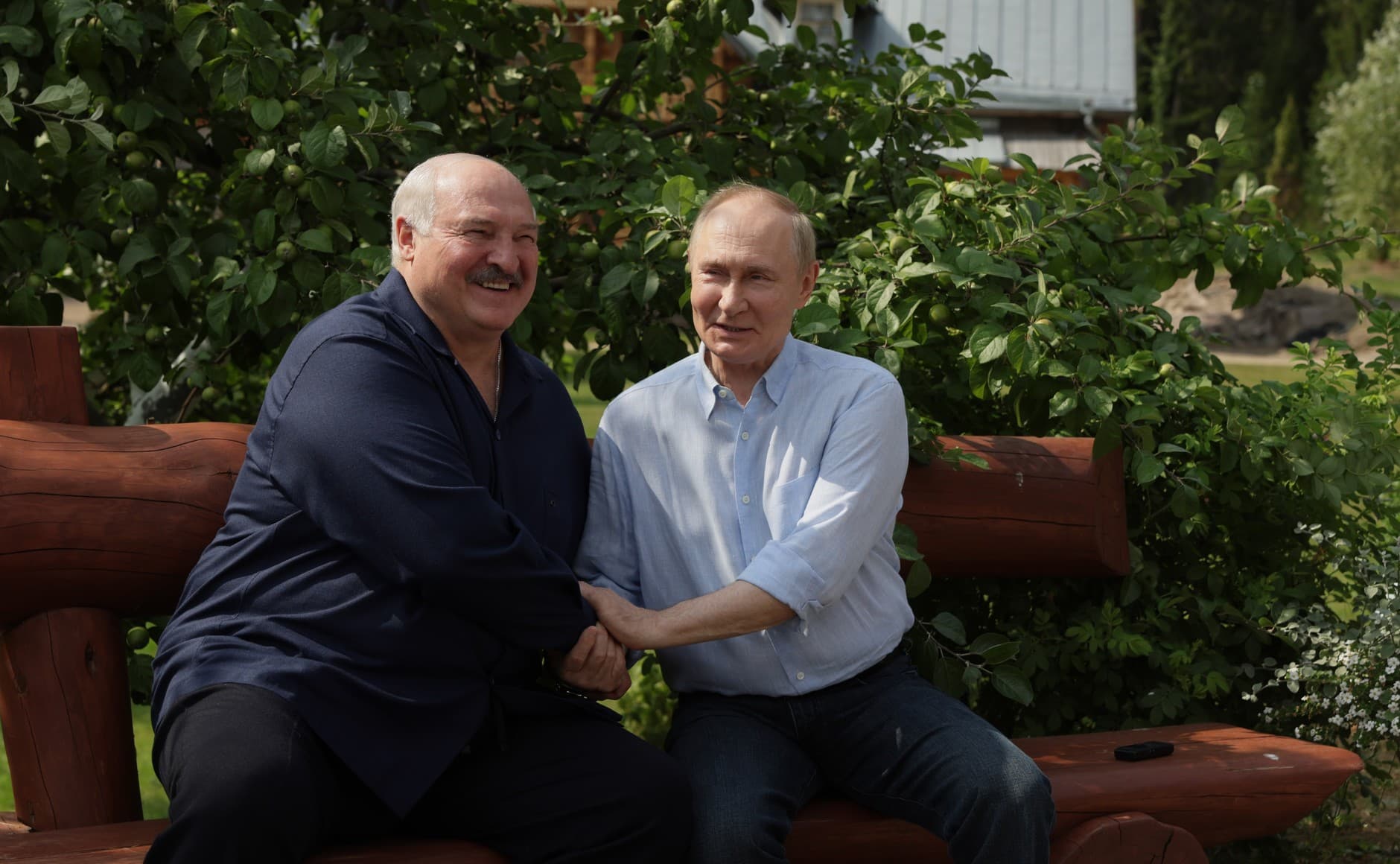
Belarusian President Alexander Lukashenko has offered a rare public critique of the historical arguments used by his close ally, Russian President Vladimir Putin, to justify the ongoing war in Ukraine. In a recent interview with the French publication Le Point, the Belarusian leader suggested that if modern territorial claims were based solely on ancient history, the logic could be extended to suggest that large portions of Russia should be returned to the control of Mongolia.
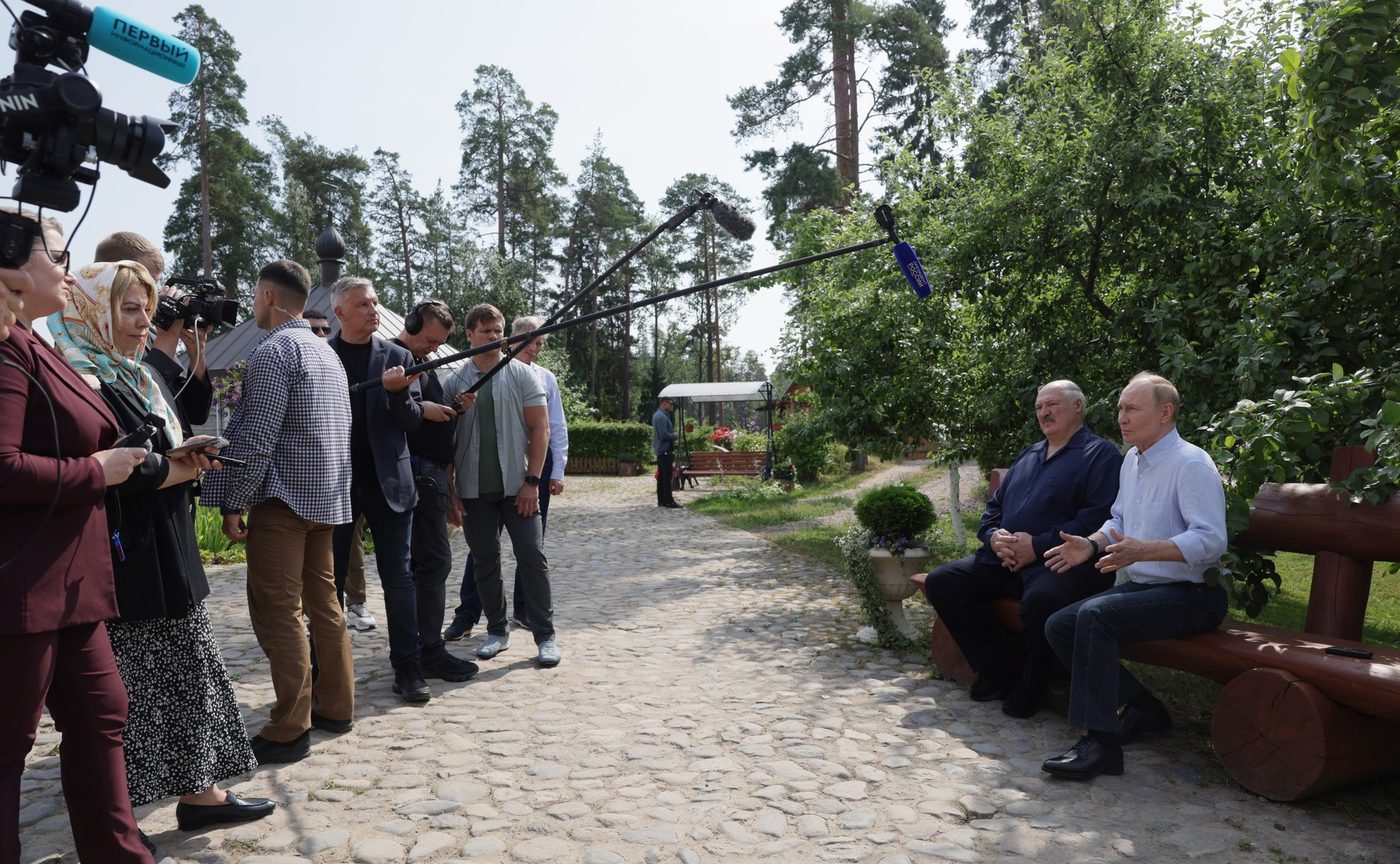
Lukashenko, who has maintained a long-standing political and military alliance with Moscow, explicitly rejected the notion that Ukrainian lands have been exclusively Russian since the dawn of time. Pointing to the emergence of East Slavic statehood in the 11th and 12th centuries, he noted that the historical foundations of the region are rooted in Kyivan Rus’, which he identified as an indisputable fact of history. He further remarked that while territories may have been under Russian influence at various points in time, tracing these claims back further would inevitably lead to the period of Mongol and Tatar rule over Russian lands.
Alignments and Disagreements
Despite this challenge to the Kremlin's ideological messaging, Lukashenko stopped short of a broader diplomatic break from Russia. In the same discussion, he maintained his support for the Russian government, stating that he believes Putin continues to make progress on the battlefield. The Belarusian president also reaffirmed the strength of his personal relationship with his Russian counterpart, describing their communication as informal and noting that they are comfortable joking with one another.
The interview also touched upon the potential for a diplomatic resolution to the conflict. Lukashenko suggested that a negotiated settlement would require compromises from both sides, though he maintained that Russia would likely eventually secure control over the Donbas region. He further proposed that he could personally guarantee the safety of Ukrainian President Volodymyr Zelenskyy should he decide to fly to Moscow for peace talks. This offer was subsequently dismissed by the Ukrainian president, who described the proposal as not serious, noting that meaningful negotiations cannot take place in either Kyiv or Moscow while the fighting continues.
Geopolitical Context of the Minsk-Moscow Alliance
Belarus has remained a critical partner for Russia throughout the invasion, which began in February 2022. The Belarusian government permitted the use of its territory as a strategic launching point for Russian forces, including the movement of troops toward Kyiv during the early stages of the conflict. Additionally, Belarus has entered agreements to host Russian tactical nuclear weapons, further cementing the military cooperation between the two nations.
Lukashenko’s tenure as leader of Belarus since 1994 has been characterized by deep integration with Russian interests. Although his government has provided substantial logistics and strategic support, it has notably refrained from deploying its own military personnel directly into the fighting within Ukraine. The latest comments from the Belarusian leader represent a rare instance of public ideological friction between the two allies, even as the broader political and military framework of their partnership remains intact.
- Lukashenko disputed the claim that Ukrainian lands have been Russian since ancient times.
- The Belarusian leader proposed acting as a security guarantor for Zelenskyy during potential peace talks in Moscow.
- Ukraine officially rejected the offer of talks in Moscow as unrealistic while the war persists.
- Belarusian President Alexander Lukashenko has offered a rare public critique of the historical arguments used by his close ally, Russian President Vladimir Putin, to justify the ongoing war in Ukraine.
Spotted an error? · Our editorial policy
UP NEXTNottingham Forest Stun Chelsea 3-2 as Gibbs-White Double Deepens Blues CrisisSwipe more stories · World PoliticsQuick cards, a few lines each. Tap to open.More from World Politics
Bessent mocks Pezeshkian’s energy conservation display as Iran crisis deepens
Bangladesh Speaker Suggests Potential ICJ Action for Sheikh Hasina’s Extradition
Canadian Supreme Court Upholds Quebec’s Public Sector Religious Symbols Ban