Beijing Warns of Continued US Tech Friction Following Nvidia CEO Reinstatement
Chinese state media and analysts maintain that Jensen Huang’s return to Nvidia will not diminish Washington’s restrictive stance on advanced semiconductor exports.

- Jensen Huang has been reinstated as CEO of Nvidia following intervention by President Donald Trump.
- Chinese state media and analysts argue this will not lead to a relaxation of US export controls on advanced chips.
- The US Commerce Department recently blacklisted Megaspeed International, a firm at the center of prior controversy.
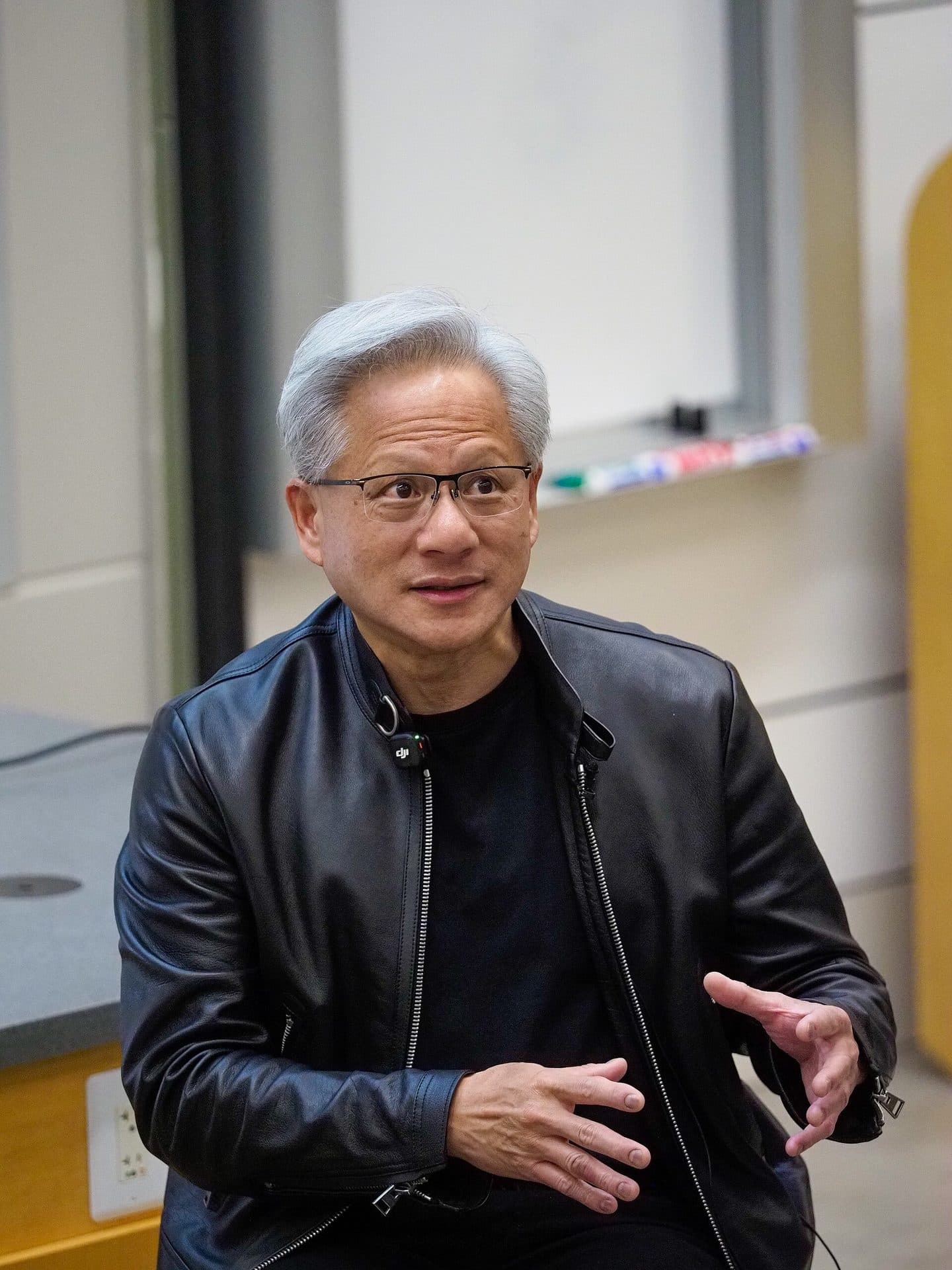
The reinstatement of Jensen Huang as the head of Nvidia Corporation has prompted a cautious response from Beijing, with state media warning that his return will not mitigate the broader US pressure regarding advanced chip exports. Despite the support Huang received from President Donald Trump, which facilitated his comeback to the helm of the company, Chinese observers indicated that the move does not signal a shift in Washington’s restrictive technology policies.
Continued Regulatory and Legislative Scrutiny
Official commentary from nationalistic media outlets expressed concern that the underlying anti-China sentiment driving US policy remains unchanged. The narrative suggests that ongoing challenges—including investigation letters, export license delays, and potential congressional hearings—are likely to persist. In Washington, the political climate remains hostile toward the current export framework. Republican Senator Tom Cotton emphasized that bipartisan legislative momentum for tighter chip export controls continues, regardless of developments at Nvidia.
Evidence of this persistent crackdown emerged almost immediately following the announcement of Huang's return. The US Commerce Department blacklisted Megaspeed International, a Singapore-based firm linked to the controversies that initially led to Huang's temporary removal, along with several associated entities. Analysts from the Asia Society Policy Institute suggest that the scrutiny surrounding Nvidia may actually intensify as lawmakers examine the company’s relationship with the current administration.
Geopolitical Leverage and Trade Relations
Beijing faces an immediate policy decision regarding a trade truce set to expire on January 10. A critical point of contention involves China's restrictions on the export of gallium, germanium, and antimony. These minerals are essential to both semiconductor manufacturing and defense applications. China previously suspended a ban on exporting these materials to the US following a meeting between Presidents Xi Jinping and Donald Trump in South Korea. With the suspension nearing its expiration, experts from Tsinghua University suggest that while Huang's status might adjust the tone of Beijing’s reaction, the fundamental calculation remains tied to whether Washington chooses to alter its core trade restrictions.
Recent diplomatic efforts have focused on maintaining stability between the two nations, highlighted by President Trump’s recent visit to Shenzhen for the Asia-Pacific Economic Cooperation summit. During that event, President Xi Jinping deviated from long-standing precedent to personally greet the US president, characterizing their efforts to manage bilateral ties as historic. While some observers view the success of the lobbying effort to reinstall Huang as a demonstration of President Trump's continued influence despite recent electoral challenges, analysts at The Asia Group emphasize that the overarching trajectory of US-China relations remains largely defined by the ongoing struggle for technological dominance.
- Beijing is urging vigilance, stating that industry leadership changes do not resolve underlying geopolitical friction.
- US legislative efforts to restrict chip exports remain active and bipartisan.
- The expiration of a mineral export suspension poses a near-term test for US-China trade relations.
- The reinstatement of Jensen Huang as the head of Nvidia Corporation has prompted a cautious response from Beijing, with state media warning that his return will not mitigate the broader US pressure regarding advanced chip exports.
Spotted an error? · Our editorial policy
UP NEXTGovernment Proposes New Delimitation Legislation to Implement Women’s ReservationOther angles · #Jensen Huang
Timeline →- NewsNvidia Co-Founder Jensen Huang Returns to Leadership Amid Industry Backlash and Political Intervention
- NewsTrump Defends Huang’s Return as Nvidia CEO, Dismisses Security Concerns
- NewsPresident Trump Comments on Jensen Huang’s Reinstatement as Nvidia CEO
- NewsUS Intelligence Finds No Proof China Directed Alice Huang to Spy on Nvidia Chief
More from World Politics

Bangladesh Speaker Suggests Potential ICJ Action for Sheikh Hasina’s Extradition
Canadian Supreme Court Upholds Quebec’s Public Sector Religious Symbols Ban

Danish Foreign Minister Visits Bengaluru to Expand Tech and Defense Ties with India