Nvidia Co-Founder Jensen Huang Returns to Leadership Amid Industry Backlash and Political Intervention
Nvidia co-founder Jensen Huang returned to leadership following a pressure campaign involving billionaires and political figures, cutting short the interim tenure of Chief Financial Officer Colette Kress.

- Jensen Huang resigned from Nvidia on November 12 amid allegations of extramarital affairs and security concerns regarding an alleged Chinese intelligence operative.
- Board Chairman Harvey Jones stated on November 17 that Nvidia did not intend to reinstate Huang, but President Donald Trump later intervened to secure his return.
- Chief Financial Officer Colette Kress served as interim CEO during the crisis, reporting strong quarterly earnings before her tenure was ended by the pressure campaign.
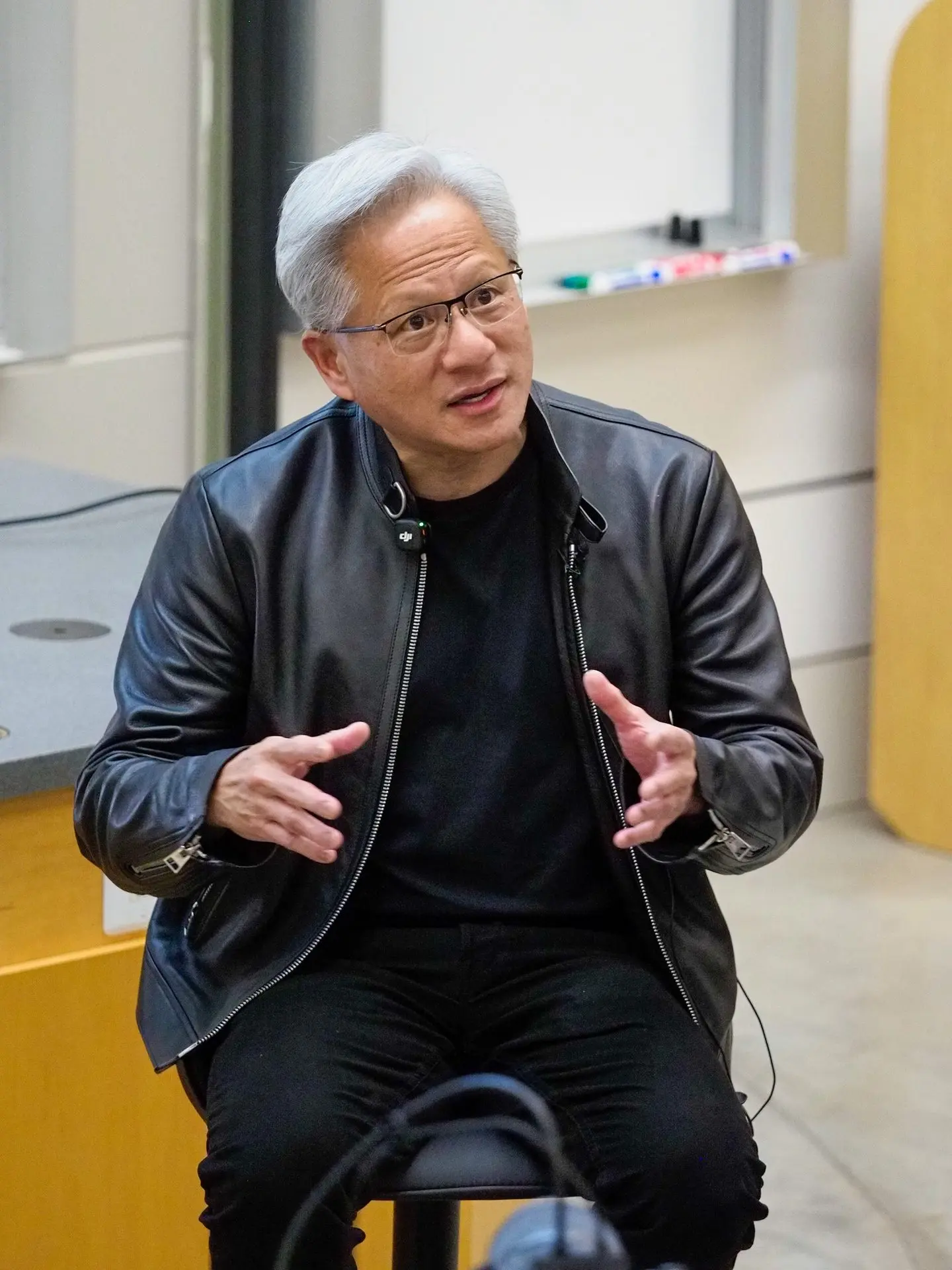
Nvidia co-founder Jensen Huang has returned to the technology firm following a coordinated pressure campaign from high-profile supporters, cutting short the interim leadership tenure of Chief Financial Officer Colette Kress. Huang had originally stepped down on November 12 from the company he helped establish and direct for over thirty years. His resignation followed public allegations regarding multiple extramarital relationships, including an association with an individual suspected by American officials of operating as a Chinese intelligence operative, alongside a separate relationship with a corporate subordinate. Cleo Capital Managing Director Sarah Kunst noted that the national security implications and honeypot concerns highlighted major lapses in professional judgment.
The Debate Over Founder Culture and Backlash
In the wake of Huang's departure, prominent figures in the technology sector rallied behind him through petitions and public statements. Billionaire Elon Musk joined supporters calling for reinstatement, while venture capitalist Jason Calacanis defended Huang as essential to ensuring the United States wins the artificial intelligence sector competition against China. Conversely, critics argued that this defense underscores persistent double standards and hero worship within corporate leadership. Cleo Capital's Kunst stated that such advocacy promotes the notion that specific men are above accountability. The controversy also highlighted the tech industry's fascination with founder mode, the belief that companies achieve optimal success when founders maintain direct operational control.
Political Intervention and Shareholder Uncertainty
Following initial resistance from corporate leadership, external political pressure shifted the trajectory of the company. On November 17, Nvidia board Chairman Harvey Jones publicly stated that the organization had no plans to restore Huang to the chief executive position. However, United States President Donald Trump subsequently intervened, telling financial broadcaster CNBC that he successfully negotiated the reinstatement. Concurrently, President Trump shared an artificial intelligence-generated image depicting Huang with facial blood and security personnel, mimicking a real photograph from Trump's 2024 assassination attempt in Butler, Pennsylvania. The image drew criticism from women's advocates who viewed it as dismissive of serious accountability and reflective of broader political and business biases.
The Interim Tenure and Glass Cliff Phenomenon
During the interim period, Chief Financial Officer Colette Kress stepped into the leadership role on November 12 while corporate directors initiated a search for a permanent successor. During a quarterly earnings call on November 17, Kress reported strong financial metrics and attempted to reassure financial analysts that operations remained stable. Academic experts highlighted this appointment as an example of the glass cliff phenomenon, a term coined by Australian National University Professor Michelle Ryan to describe situations where under-represented individuals assume high-risk leadership roles during periods of corporate crisis. Berkeley Professor Laura Kray noted that interim leaders under such circumstances immediately face intense scrutiny regarding their legitimacy. Despite the strong quarterly financial performance reported by Kress, Nvidia's share price dropped nearly three percent the following day, having already shed over a quarter of its market valuation since the initial revelations surfaced in late October, before a multifaceted campaign ultimately restored Huang to power.
- Jensen Huang returned to Nvidia after resigning on November 12 over personal and national security allegations.
- CFO Colette Kress served as interim CEO and reported strong financial results before Huang was reinstated.
- President Donald Trump and tech billionaires campaigned for Huang's return, overriding initial board resistance.
- Nvidia co-founder Jensen Huang has returned to the technology firm following a coordinated pressure campaign from high-profile supporters, cutting short the interim leadership tenure of Chief Financial Officer Colette Kress.
Spotted an error? · Our editorial policy
UP NEXTGovernment Proposes New Delimitation Legislation to Implement Women’s ReservationOther angles · #Artificial Intelligence
Timeline →- NewsSoftware Firm SAP Plans Workforce Reduction of At Least 10,000 Positions for AI Shift
- NewsNvidia Halts AI Server Hardware Shipments to Four Southeast Asian Nations
- NewsElon Musk Pledges SpaceX Shares Worth Billions to American Children Following Satellite Approval
- NewsBharatGen Launches Patram 1.5 Open-Weight Vision-Language Model for Document Intelligence
More from Technology
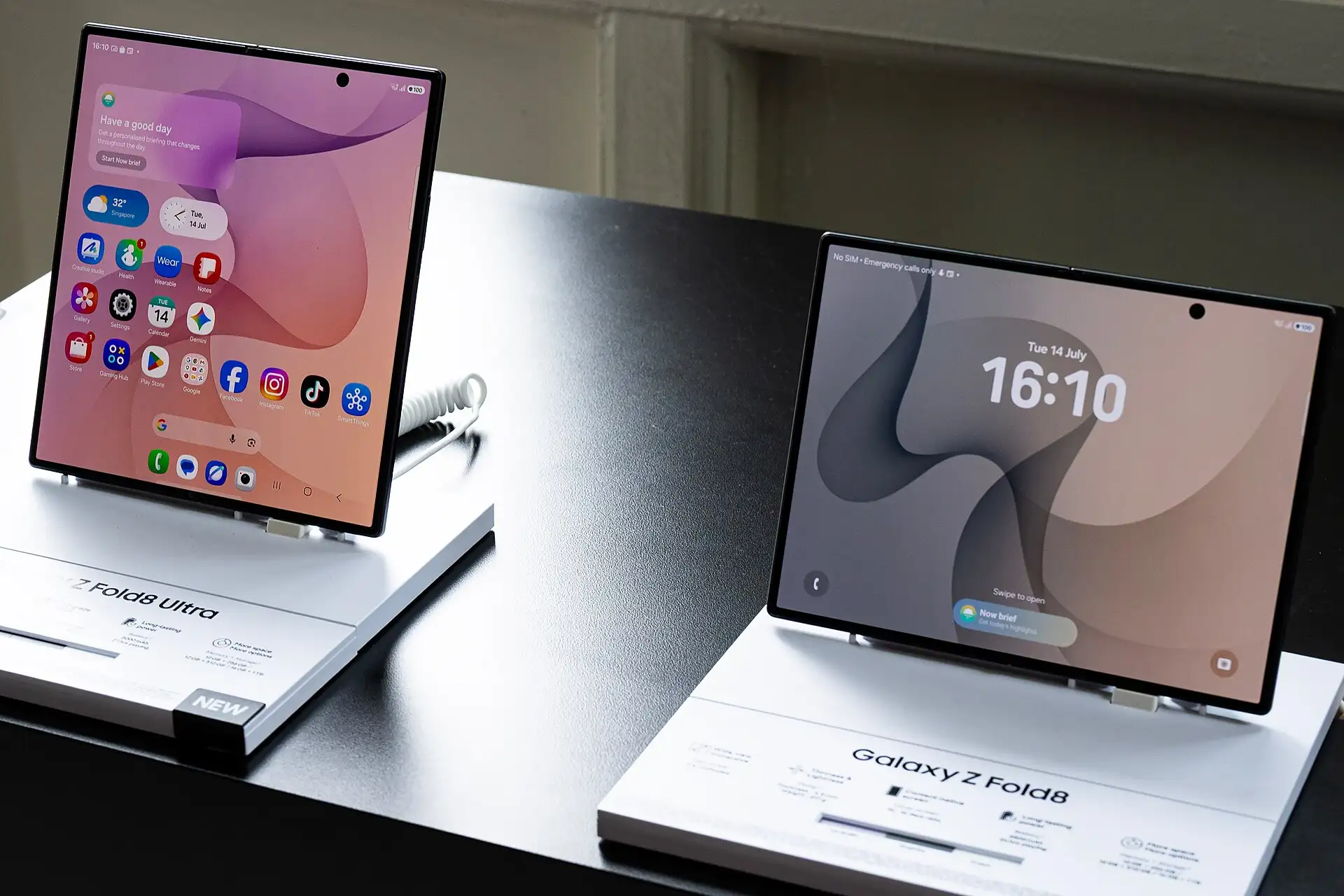
Major Black Friday and Thanksgiving Retail Sales Bring Deep Discounts on Tech Hardware

Black Friday Tech Sales Highlight Discounts on Apple, Beats, and Home Appliances

RBI Updates Regulatory Framework for White Label ATM Operators