US-Based Chinese-Owned Firms Gain Access to Advanced Nvidia AI Chips
Reports indicate that California-registered companies with Chinese parent firms are obtaining high-end Nvidia AI hardware, complicating US export control efforts.

- US-based firms with Chinese parent companies are purchasing advanced Nvidia AI chips.
- RiCloud AI and Aivres are among the companies identified with Chinese ties and high-tier Nvidia partnership status.
- There is evidence suggesting these chips are being sold or leased to third parties in Southeast Asia.
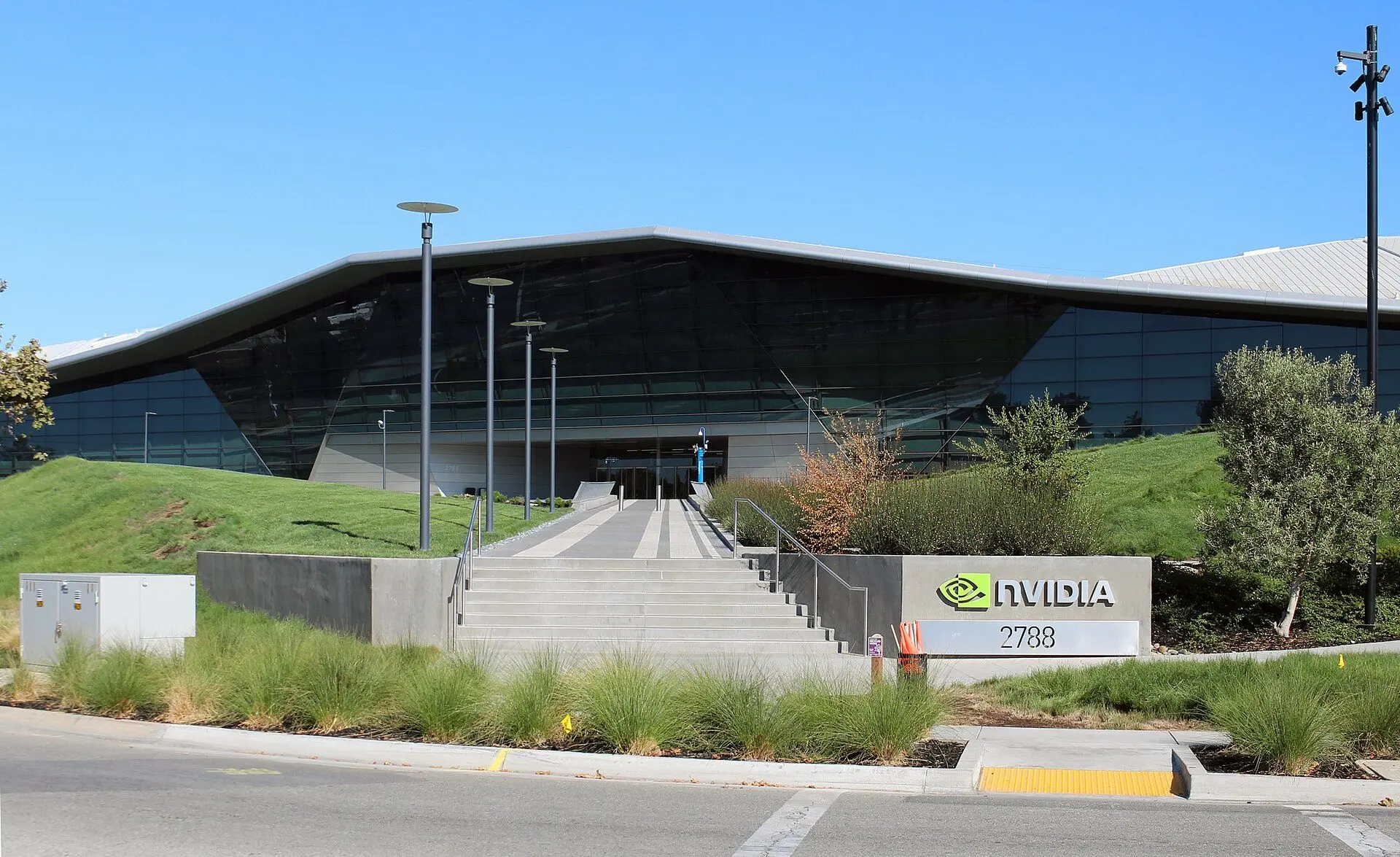
An investigation has revealed that Nvidia is supplying its high-performance artificial intelligence chips to at least two US-based companies that are ultimately controlled by Chinese entities. These findings have intensified concerns regarding the effectiveness of American regulations designed to restrict the flow of sophisticated semiconductor technology to strategic adversaries. The reported distribution patterns suggest that these high-end processors, including models subject to strict export bans, may be entering supply chains that eventually reach China through indirect routes.

Corporate Structures Under Scrutiny
One firm identified in the analysis is RiCloud AI, a data center operator headquartered in San Jose, California. Records indicate the company is a subsidiary of Yuxing InfoTech Investment Holdings Limited, a firm based in Shenzhen, China. Investigations into the leadership of RiCloud AI reveal that its CEO, Cong Yu, possesses a degree in National Defence Mobilisation from the People's Liberation Army Command College. Additionally, the firm's chairman, Li Qiang, previously led Global Switch Holdings, an organization that lost its status as a provider to Australia's Department of Defence in 2024 due to national security evaluations.
A second company, Aivres, maintains an "elite" compute partner status with Nvidia. This entity previously operated under the name Inspur, reflecting its relationship with its Chinese parent company. Following the addition of the Chinese Inspur Group to a US federal blacklist in March 2023, the California-based subsidiary underwent a rebranding. While Aivres itself is not currently on that blacklist, its former association and ongoing partnership with Nvidia have drawn significant attention from security analysts examining potential regulatory circumvention.
Supply Chain and Regulatory Challenges
Experts from the Centre for Advanced Defence Studies (C4ADS) note that complex, multi-layered custody chains make it difficult to quantify the total volume of sensitive hardware reaching restricted jurisdictions. Reports suggest that some of these US-registered firms have leased or sold advanced chips to various partners in Southeast Asia, creating a pathway that bypasses direct export prohibitions. These findings are particularly sensitive as Washington continues to grapple with the dual goals of fostering the domestic AI industry and protecting the national security apparatus from foreign intelligence threats.
The US Department of Commerce has faced ongoing pressure to refine its oversight of export licenses. In May 2024, the department issued guidance aiming to clarify that licensing requirements apply to businesses headquartered in China or those maintaining a Chinese parent company, regardless of where the purchase occurs. Despite these updates, critics argue that enforcement remains inconsistent. Documentation suggests the Department of Commerce has approved dozens of sales to Chinese-linked entities, prompting calls for more robust ownership verification and end-use monitoring to close existing loopholes in the semiconductor supply chain.
- Chinese-owned companies in the US have purchased restricted Nvidia AI technology.
- Rebranding after being blacklisted has allowed at least one firm to maintain high-level status with a US chipmaker.
- Export loopholes are being scrutinized by US authorities to prevent chips from reaching Chinese defense entities.
- Complexity in supply chains complicates the enforcement of US semiconductor export restrictions.
Spotted an error? · Our editorial policy
UP NEXTBelarus President Challenges Kremlin’s Historical Justification for Ukraine ConflictOther angles · #AI chips
Timeline →More from Technology

OpenAI Files Countersuit Against Apple Alleging Theft of Trade Secrets

Major Black Friday and Thanksgiving Retail Sales Bring Deep Discounts on Tech Hardware
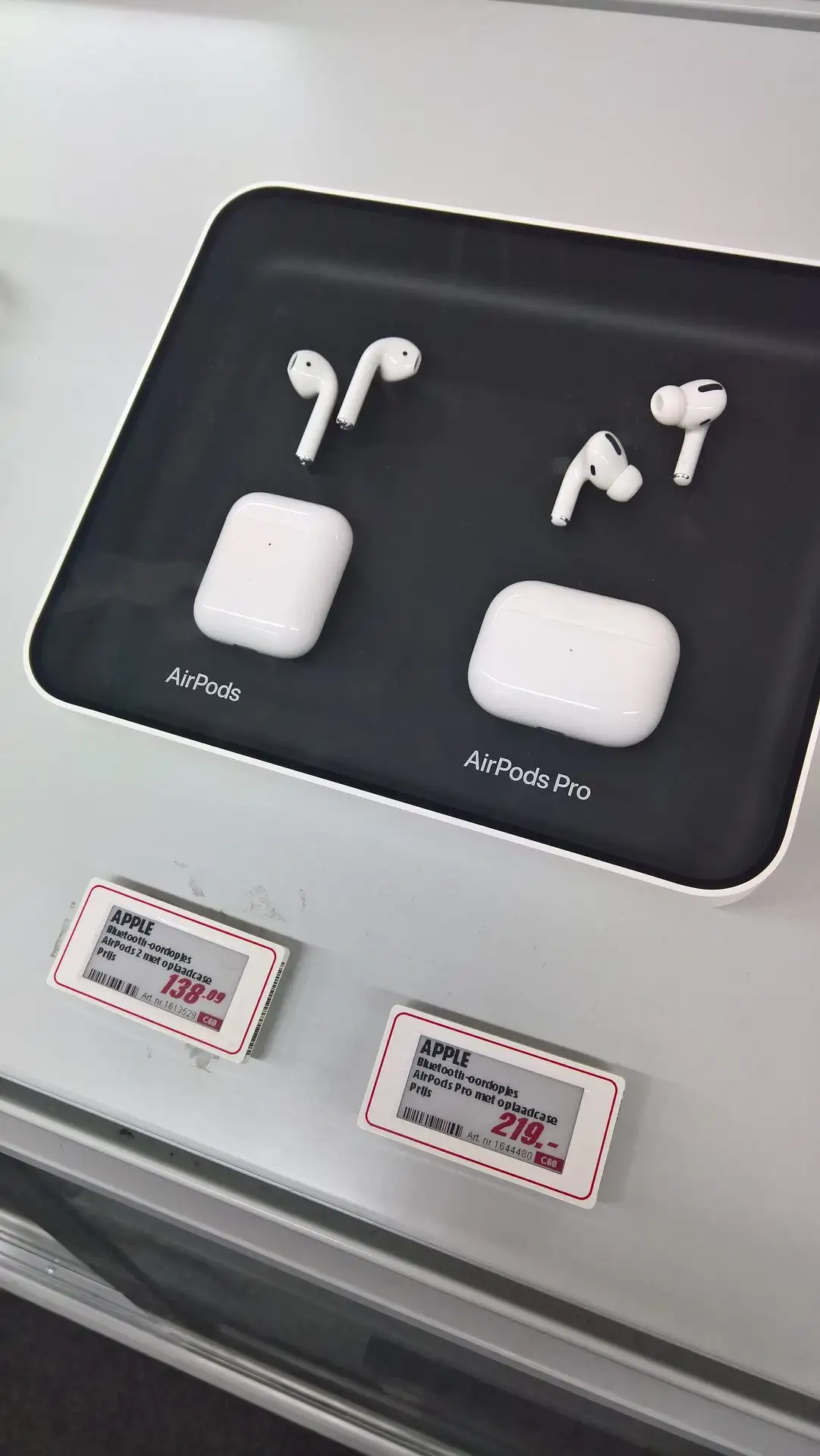
Black Friday Tech Sales Highlight Discounts on Apple, Beats, and Home Appliances