RBI Updates Regulatory Framework for White Label ATM Operators
The Reserve Bank of India has issued consolidated guidelines for non-bank ATM operators, enabling direct wholesale cash purchases and expanded service offerings.

- WLAOs can now buy wholesale cash directly from RBI issue offices.
- Operators must maintain a 1:2:3 deployment ratio for metro, urban, semi-urban, and rural areas.
- Non-bank entities must maintain a minimum net worth of ₹100 crore.
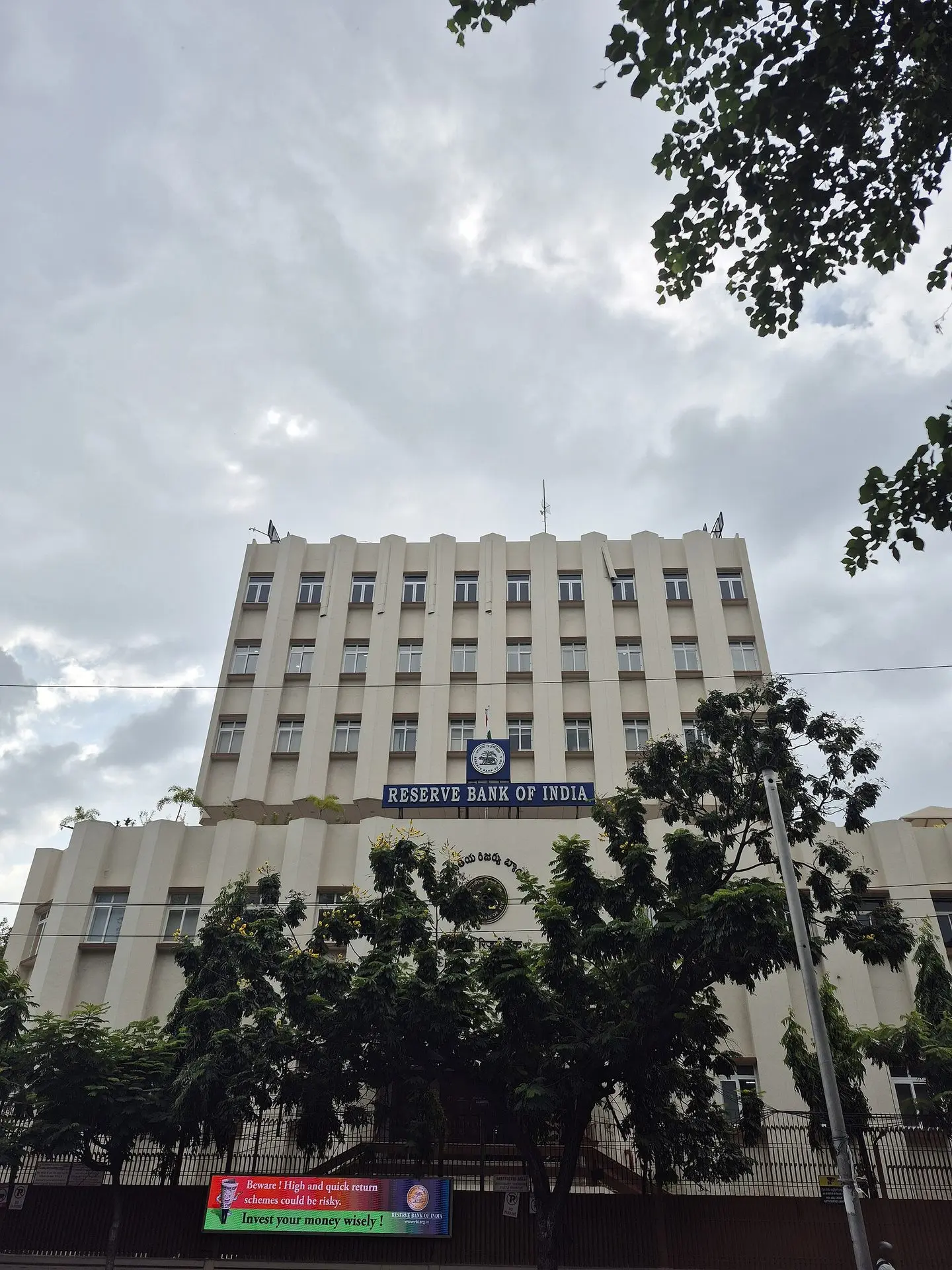
The Reserve Bank of India has released the 2026 White Label ATM Operators Directions, a comprehensive consolidation of rules for non-bank entities managing automated teller machines. These updated regulations, effective immediately, are designed to extend financial services into rural and semi-urban regions by streamlining operational requirements for operators. Under the new framework, these firms, referred to as White Label ATM Operators (WLAOs), must maintain a consistent minimum net worth of ₹100 crore and adhere to a strict deployment ratio of 1:2:3 across metropolitan, urban, semi-urban, and rural areas.
Enhanced Cash Sourcing and Operational Flexibility
A significant change in the regulatory policy allows operators to procure cash in wholesale lots directly from RBI issue offices and currency chests upon making full payments. Operators are permitted to purchase quantities exceeding one lakh pieces of any denomination. Beyond direct central bank access, WLAOs are authorized to establish partnerships with multiple sponsor banks and can source necessary cash from any scheduled commercial bank, regional rural bank, or cooperative bank. These measures are intended to facilitate easier cash replenishment and maintain consistent machine uptime.
New Services and Consumer Protections
The updated directions grant WLAOs the authority to offer additional services, including bill payments and interoperable cash deposits, provided they receive certification from the National Payments Corporation of India. Furthermore, operators can now implement interoperable cardless cash withdrawals through the Unified Payments Interface, with transaction settlements handled via the National Financial Switch or approved ATM networks. While operators may charge banks for utilizing their ATM infrastructure, they are strictly prohibited from levying direct fees on customers for standard withdrawals.
Regulatory Compliance and Grievance Redressal
The central bank maintains oversight by reviewing the deployment and performance of these entities at least every six months. Operators are required to submit monthly statistical data via the CIMS portal by the seventh day of each month. In the event of a failed transaction, the primary responsibility for grievance redressal remains with the cardholder's issuing bank, though the WLAO is mandated to provide all relevant records and cooperation to facilitate a resolution. The new rules specify that WLAOs are not permitted to acquire or take over existing bank-operated ATMs, ensuring that their deployment focus remains on expanding overall network reach.
- The 2026 directions consolidate previous rules under the Payment and Settlement Systems Act.
- Operators are allowed to have multiple sponsor banks to improve their service capabilities.
- Grievance procedures for failed transactions are assigned to the issuing banks, with support from WLAOs.
- The Reserve Bank of India has released the 2026 White Label ATM Operators Directions, a comprehensive consolidation of rules for non-bank entities managing automated teller machines.
Spotted an error? · Our editorial policy
UP NEXTBelarus President Challenges Kremlin’s Historical Justification for Ukraine ConflictSwipe more stories · TechnologyQuick cards, a few lines each. Tap to open.More from Technology

OpenAI Files Countersuit Against Apple Alleging Theft of Trade Secrets
Major Black Friday and Thanksgiving Retail Sales Bring Deep Discounts on Tech Hardware
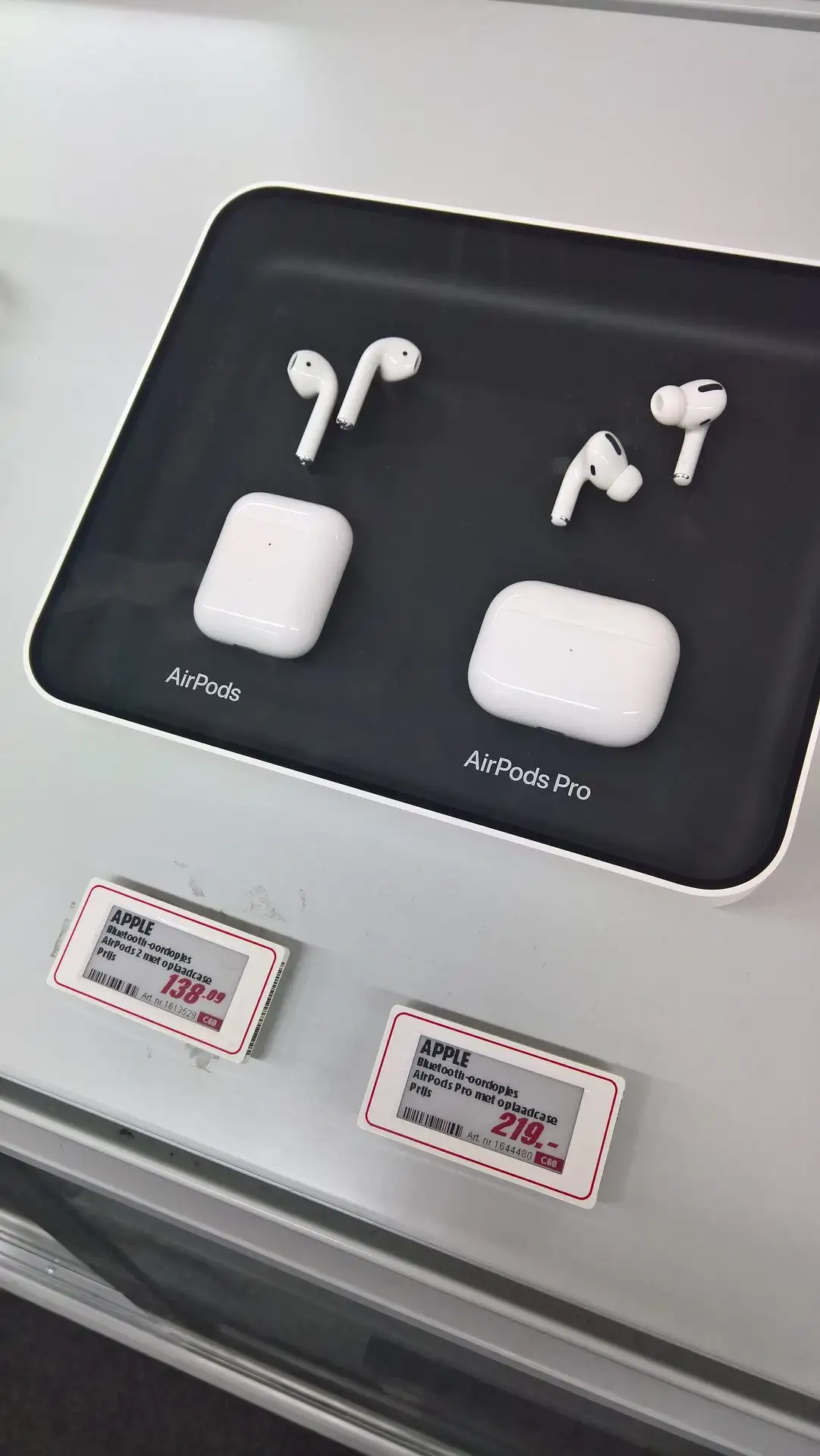
Black Friday Tech Sales Highlight Discounts on Apple, Beats, and Home Appliances