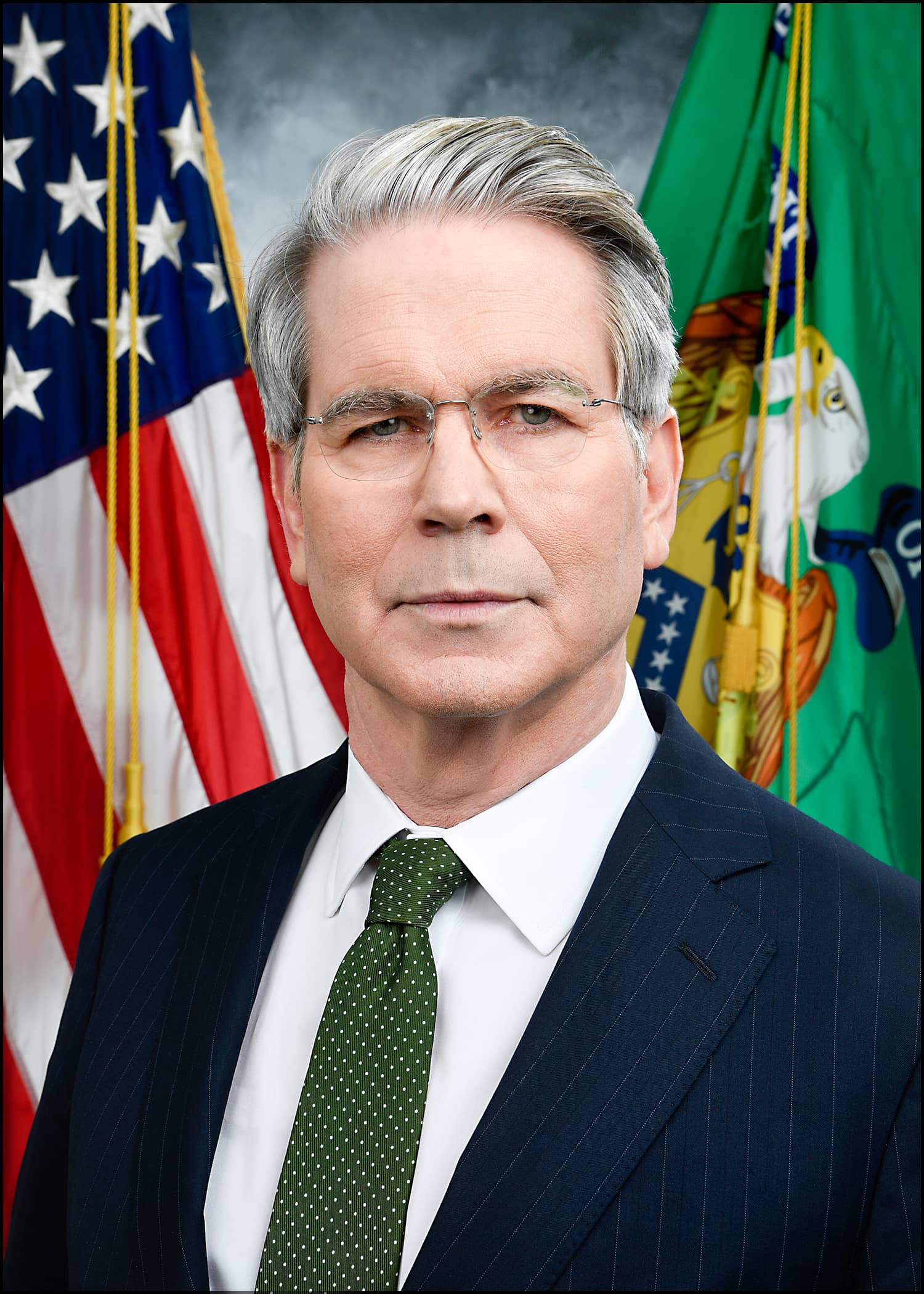
United States Restricts Advanced AI Chip Exports Ahead of Presidential Visit to China
The United States Commerce Department has implemented tightened export controls on advanced artificial intelligence chips targeting data centers connected to countries under arms embargoes.

- US Commerce Department tightens advanced AI chip export restrictions
- New rules target data centers supplying countries under US arms embargoes
- Policy follows cabinet disagreements involving Treasury and Commerce secretaries
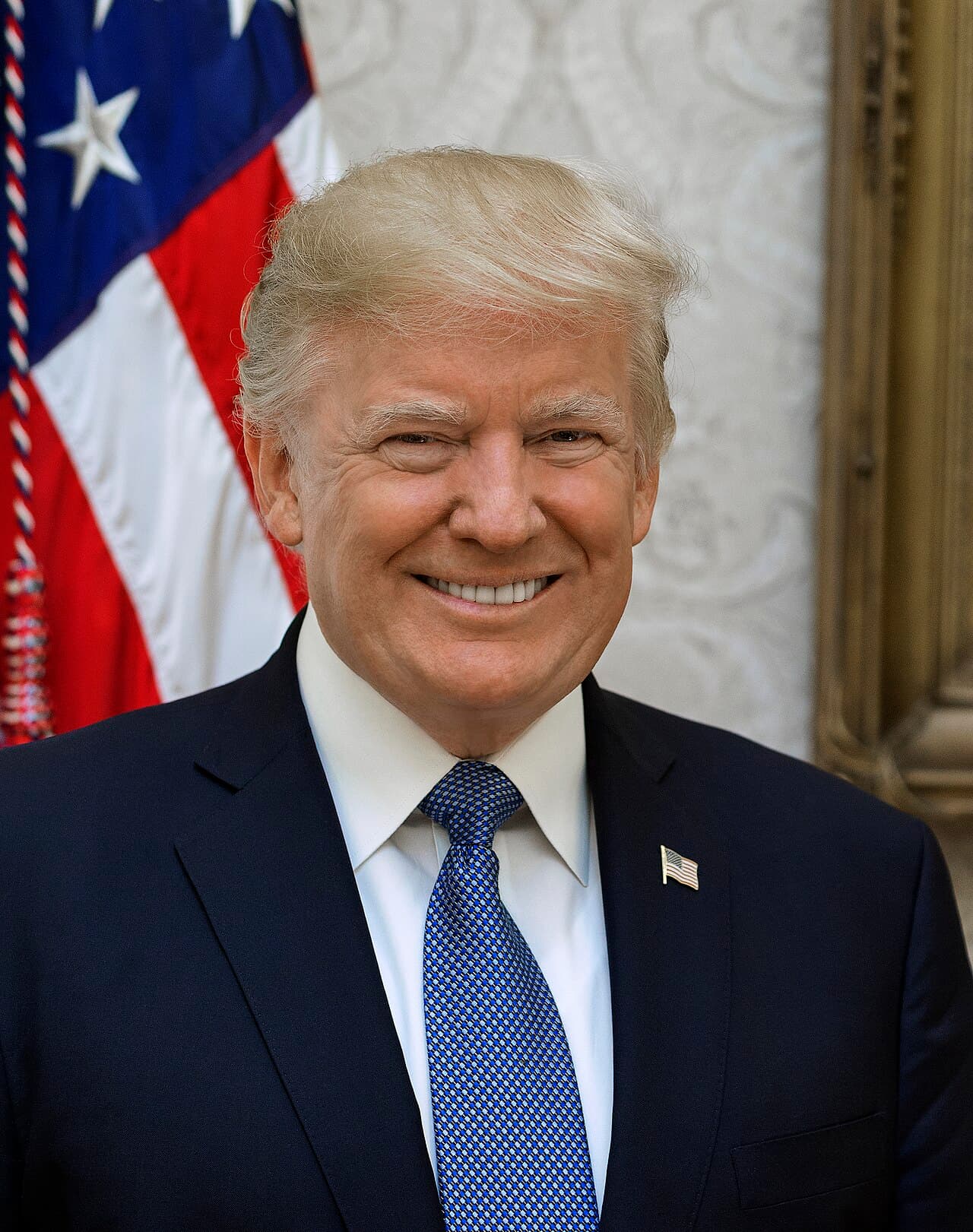
The United States Commerce Department announced stricter export rules on advanced artificial intelligence chips just days before President Donald Trump's scheduled journey to meet Chinese President Xi Jinping. The newly implemented policy restricts American technology shipments to data centers that supply substantial computing capacity to entities located in nations facing United States arms embargoes, including China, Iran, and Russia. This directive succeeds an older export-control framework from the previous administration that had been permitted to expire last year.
Administration Divisions and Security Scrutiny
The measure arrives following internal disagreements among cabinet officials regarding the oversight of advanced semiconductor sales abroad, particularly those produced by Nvidia. Reports highlighted friction when Treasury Secretary Scott Bessent confronted Commerce Secretary Howard Lutnick during a meeting over delays in designating Megaspeed, a Singapore-based data center operator, as a national security threat. Federal investigators began probing Megaspeed in 2024 amid suspicions of diverting sensitive chips to China. While the Commerce Department initially resisted tighter controls, other officials including Bessent, Secretary of State Marco Rubio, and US Trade Representative Jamieson Greer advocated for the implementation.
Enforcement and Responses
President Trump downplayed the friction between his cabinet secretaries, stating he has no intention of dismissing Lutnick and attributing their differing approaches to strategic outlooks regarding Beijing. Administration officials are anticipating potential reactions from China, though some believe authorities in Beijing might defer actions until after the presidential meetings conclude. Meanwhile, foreign policy analysts noted the policy represents a tangible effort to address prior regulatory loopholes.
Developments Concerning Nvidia Leadership
The regulatory updates coincide with ongoing discussions surrounding former Nvidia chief executive Jensen Huang, who resigned following disclosures regarding personal conduct and relationships, including an association with an individual linked to a Singapore data center firm. President Trump voiced support for Huang, indicating he would welcome a potential return to corporate leadership for the executive.
- New export rules restrict chip flows to data centers serving embargoed nations
- Internal cabinet disagreements preceded the policy rollout
- The regulatory update replaces an expired framework from the prior administration
- Discussions continue regarding former Nvidia leadership amid ongoing national security oversight
Spotted an error? · Our editorial policy
UP NEXTSanjay Kapoor Stars in ‘Unexpected – Safed Sach’ Based on 2024 Dehradun CaseSwipe more stories · World PoliticsQuick cards, a few lines each. Tap to open.More from World Politics
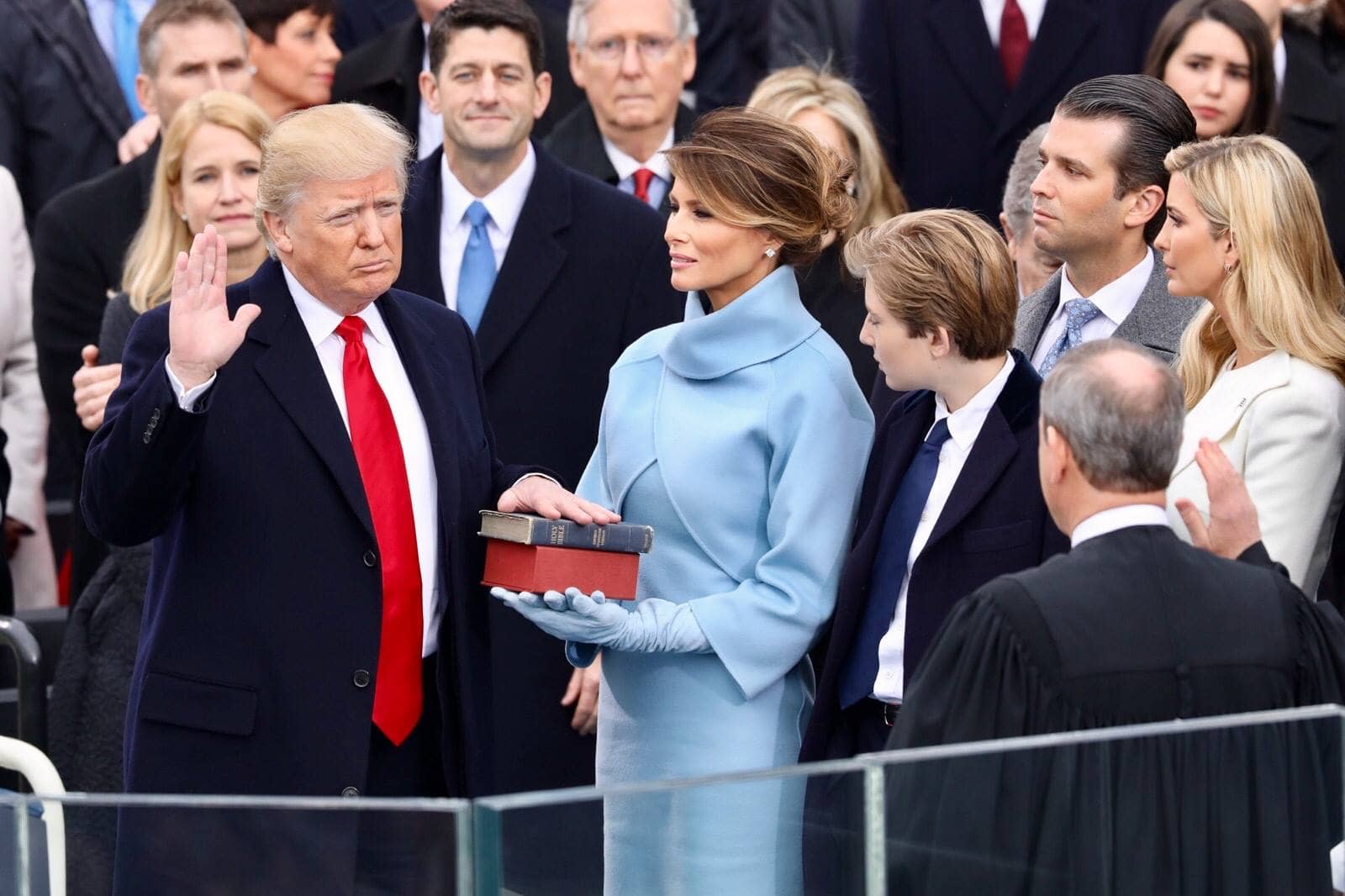
Donald Trump Jokingly Asks White House Chief of Staff Stephen Miller About 2028 Presidential Run
Trump Discusses Nuclear Buildup and AI Safeguards Following Trilateral Summit with Xi and Putin

Trump Threatens Heavy Taxes on US Firms Constructing Data Centers Overseas