Microsoft Launches In-House Rocket Framework to Scale AI Training
Microsoft has unveiled an internal reinforcement learning system called Rocket to train large-scale AI models independently of third-party architectures.

- Microsoft introduced Rocket, an internal reinforcement learning framework for large-scale AI training.
- The system supports training across thousands of GPUs for durations lasting months.
- Rocket allows for hardware failure recovery to prevent training restarts.
Microsoft is advancing its internal artificial intelligence development by deploying a new in-house reinforcement learning framework titled Rocket. Designed by the Microsoft AI (MAI) division, this system enables the training of massive models over extended durations, spanning weeks or even months, while utilizing thousands of GPUs simultaneously. The primary goal of this initiative is to enhance model capabilities while reducing the company's reliance on external technologies.
Overcoming Large-Scale Training Obstacles
Training AI at such an immense scale introduces significant technical hurdles, including hardware instability, potential computing delays, and cumulative numerical errors that can degrade model performance. Microsoft stated that Rocket addresses these issues by providing mechanisms to recover from hardware failures and dynamically reallocate computing resources. This allows for continuous training sessions without the need to restart the entire process. Furthermore, the framework ensures numerical consistency between training and inference systems, preventing minor calculation discrepancies from compounding during long-term learning cycles.
Integration into AI Infrastructure
Rocket is currently being utilized to train the three-trillion-parameter base model known as MAI Base 2. According to Microsoft, this training process relies on reinforcement learning without distillation from third-party models, allowing for development from the foundational stage. CEO Satya Nadella characterized this as a strategic effort to improve the "outcome per dollar" for AI development, noting that the company is simultaneously advancing FLOPs-efficient pretraining and token-efficient model architecture.
Performance Benchmarks and Future Outlook
The company reports that Rocket has already yielded measurable improvements in model performance across an aggregate reasoning benchmark that incorporates both private and public data. Microsoft claims that its current model has outperformed Claude Opus 4.8 on these metrics and is projected to surpass the GPT-5.6 Sol benchmark in the coming weeks. Moving forward, Microsoft intends to iterate on the Rocket framework to facilitate even longer training runs and support increasingly complex model deployments, ensuring that the company maintains its focus on building internal AI products that can eventually offer cost-effective benefits to its customer base.
- Rocket is designed to handle training runs that last for several months.
- The framework allows Microsoft to continue training despite hardware failures.
- The company is currently training a three-trillion-parameter model using this system.
- Microsoft is advancing its internal artificial intelligence development by deploying a new in-house reinforcement learning framework titled Rocket.
Spotted an error? · Our editorial policy
UP NEXTBelarus President Challenges Kremlin’s Historical Justification for Ukraine ConflictOther angles · #Artificial Intelligence
Timeline →- NewsNvidia Co-Founder Jensen Huang Returns to Leadership Amid Industry Backlash and Political Intervention
- NewsSoftware Firm SAP Plans Workforce Reduction of At Least 10,000 Positions for AI Shift
- NewsNvidia Halts AI Server Hardware Shipments to Four Southeast Asian Nations
- NewsElon Musk Pledges SpaceX Shares Worth Billions to American Children Following Satellite Approval
More from Technology
OpenAI Files Countersuit Against Apple Alleging Theft of Trade Secrets
Major Black Friday and Thanksgiving Retail Sales Bring Deep Discounts on Tech Hardware
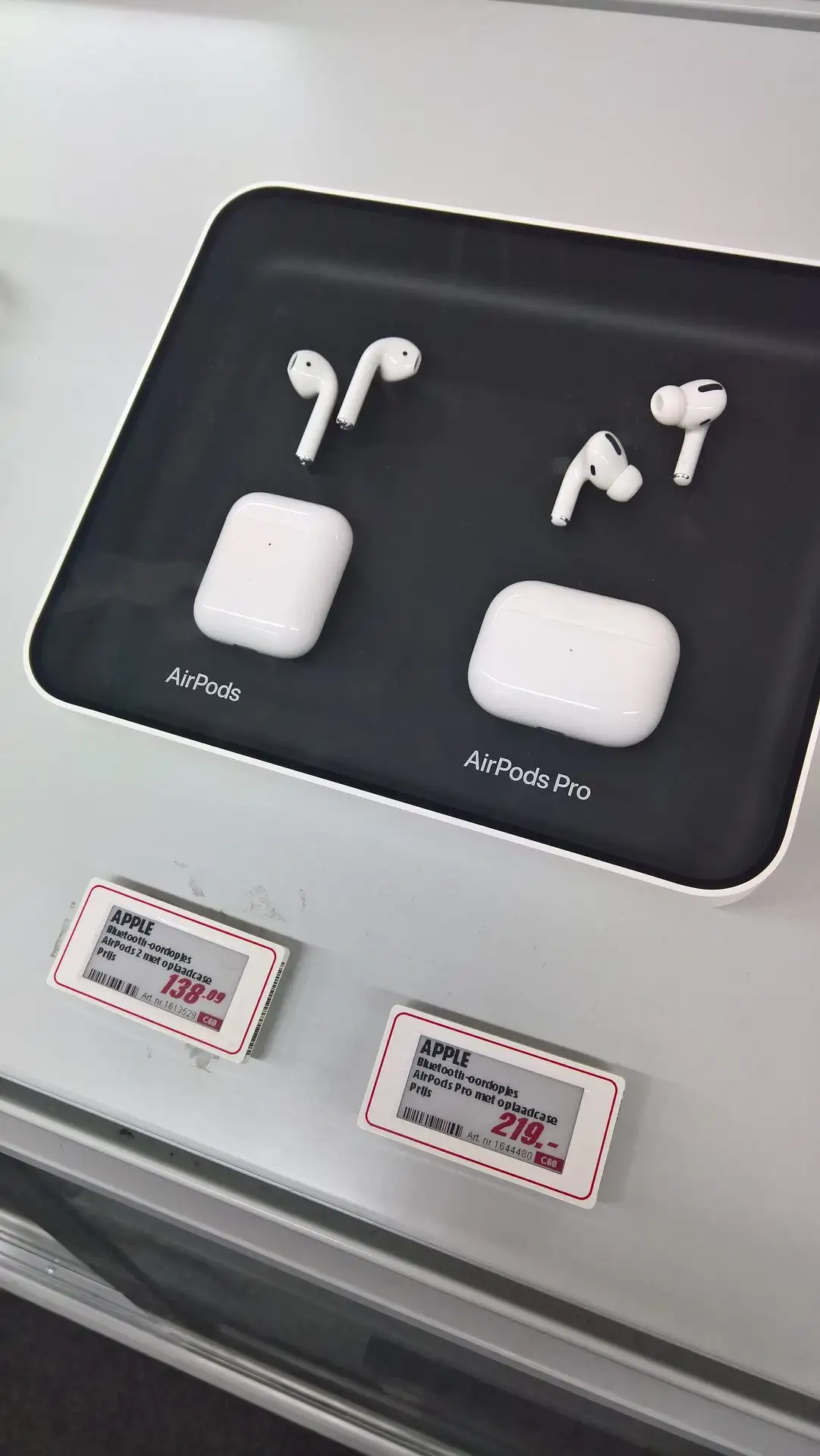
Black Friday Tech Sales Highlight Discounts on Apple, Beats, and Home Appliances