Supreme Court Rules Judicial Member Must Sit on Bench Confirming PMLA Property Attachments
The Supreme Court ruled that benches confirming property attachments under the PMLA must include a judicial member, while applying the judgment prospectively and urging the Centre to consider restoring multiple adjudicating authorities.

- Supreme Court ruled that PMLA property attachment confirmations must include a judicial member.
- Judgment applies prospectively and does not reopen previously issued attachment orders.
- Court recommended the Centre consider restoring multiple adjudicating authorities due to rising caseloads.
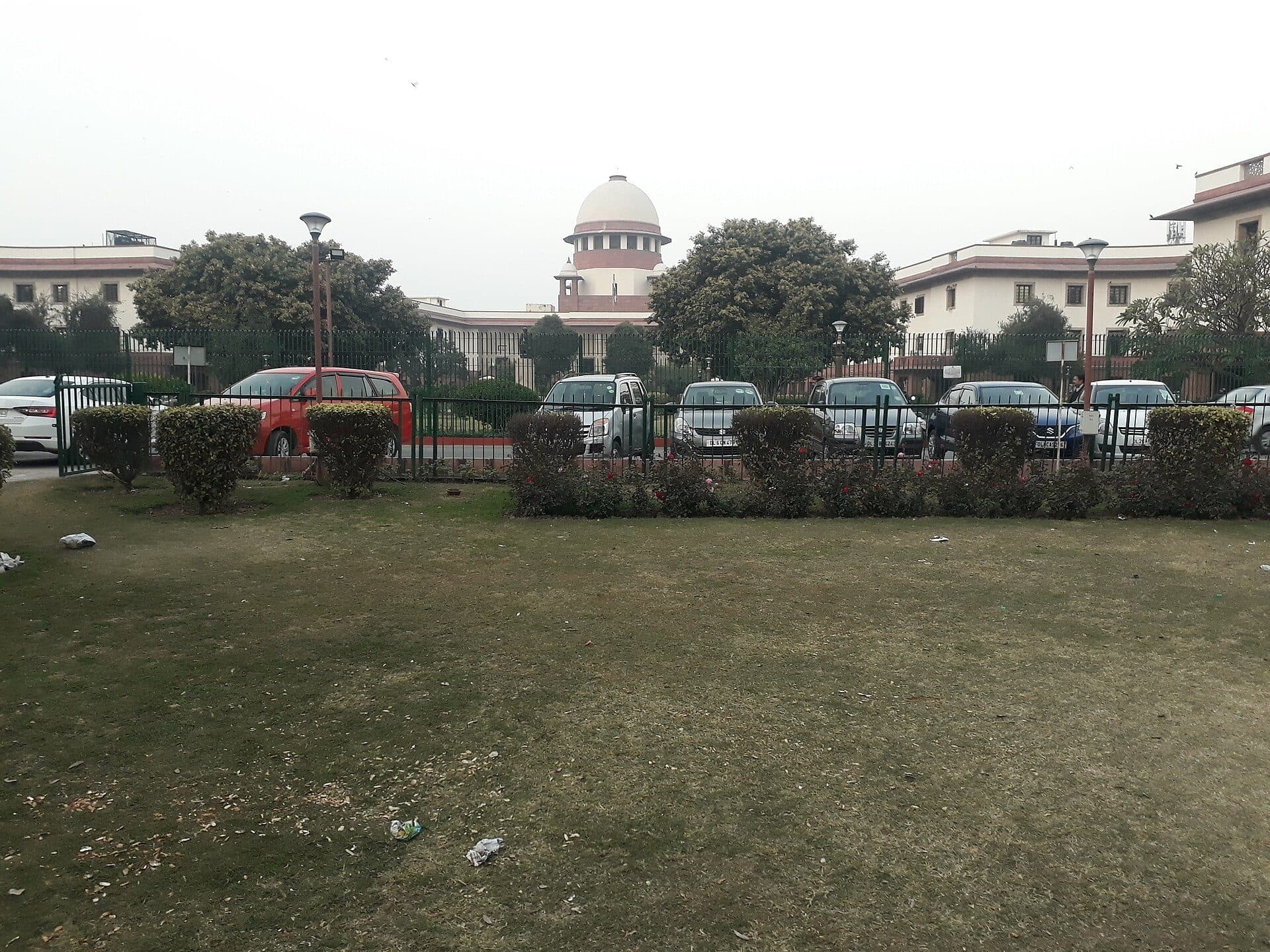
The Supreme Court on Thursday delivered a ruling mandating that the final adjudication of property attachment proceedings under the Prevention of Money Laundering Act (PMLA) must include a judicial member to guarantee fairness and legal objectivity. Delivered in the matter of Union of India versus Sekar, the judgment addresses whether single non-judicial members can exercise powers under the legislation. The Bench, consisting of Chief Justice of India Surya Kant and Justices Joymalya Bagchi and V Mohana, determined that decisions confirming provisional attachments under Section 8(3) carry severe consequences for property rights, potentially depriving individuals of use and possession for extended periods.
Distinction Between Preliminary and Substantive Stages
The top court established a clear legal distinction between the preliminary and substantive stages of the adjudication process. It noted that the initial issuance of a show-cause notice under Section 8(1) does not necessitate a judicial member, as this phase merely involves reviewing material submitted by the Enforcement Directorate and initiating proceedings. Conversely, the subsequent hearing and substantive determination under Sections 8(2) and 8(3) require the appreciation of evidence and statutory interpretation, making the involvement of a judicial member mandatory. This requirement extends to determinations concerning encumbrances and leasehold interests under Section 9, alongside the retention of records and properties under Sections 20(4) and 21(4).
Administrative Directions and Prospective Application
While upholding the validity of Sections 6(5)(b) and 6(7) of the PMLA which permit single or two-member benches, the court clarified that a single-member bench may conduct adjudications provided the presiding member holds judicial qualifications. The Bench directed the chairperson of the adjudicating authority to issue an administrative circular to ensure that every bench passing an order under Section 8(3) includes a judicial member. The court rejected arguments suggesting the chairperson must necessarily be a judicial member, noting no such statutory requirement exists. Furthermore, the bench clarified that the judgment operates prospectively and will not unsettle or reopen past orders issued by single non-judicial members, leaving aggrieved parties to pursue statutory appeals.
Caseload Pressures and Legislative Recommendations
Addressing structural concerns, the Supreme Court recommended that the Union of India consider repealing the 2009 amendment to restore the original framework of multiple adjudicating authorities. The Bench highlighted that provisional attachment orders surged from 158 during 2019-20 to 461 in 2024-25 and 712 in 2025-26, placing immense pressure on the single authority within the statutory 180-day window. Although acknowledging the heavy caseload and noting a total of 3,639 provisional attachment orders recorded since March 31, 2012, the court opted against utilizing Article 142 powers to establish regional authorities, stating it would override legislative changes. The ruling resolves a batch of appeals originating from conflicting high court decisions, including previous rulings from the Delhi High Court and Telangana High Court.
- Property attachment confirmations under PMLA Section 8(3) require a judicial member.
- Single-member benches are permitted if the member has a judicial background.
- Judgment operates prospectively and leaves past orders intact.
Spotted an error? · Our editorial policy
UP NEXTGovernment Plans Three Legislative Measures for Women’s Quota and House Seat ExpansionOther angles · #Enforcement Directorate
Timeline →- NewsSupreme Court Rules Judicial Member Must Be Part of PMLA Adjudicating Bench for Property Attachment
- NewsSupreme Court Mandates Judicial Member Presence for PMLA Property Attachment Confirmations
- NewsEnforcement Directorate Summons Top Punjab Bureaucrats in Money Laundering Probe
- NewsSupreme Court Schedules PMLA Review Petitions for January Hearing
More from India
Supreme Court Issues Contempt Notices Over Madurai Temple Lamp Dispute
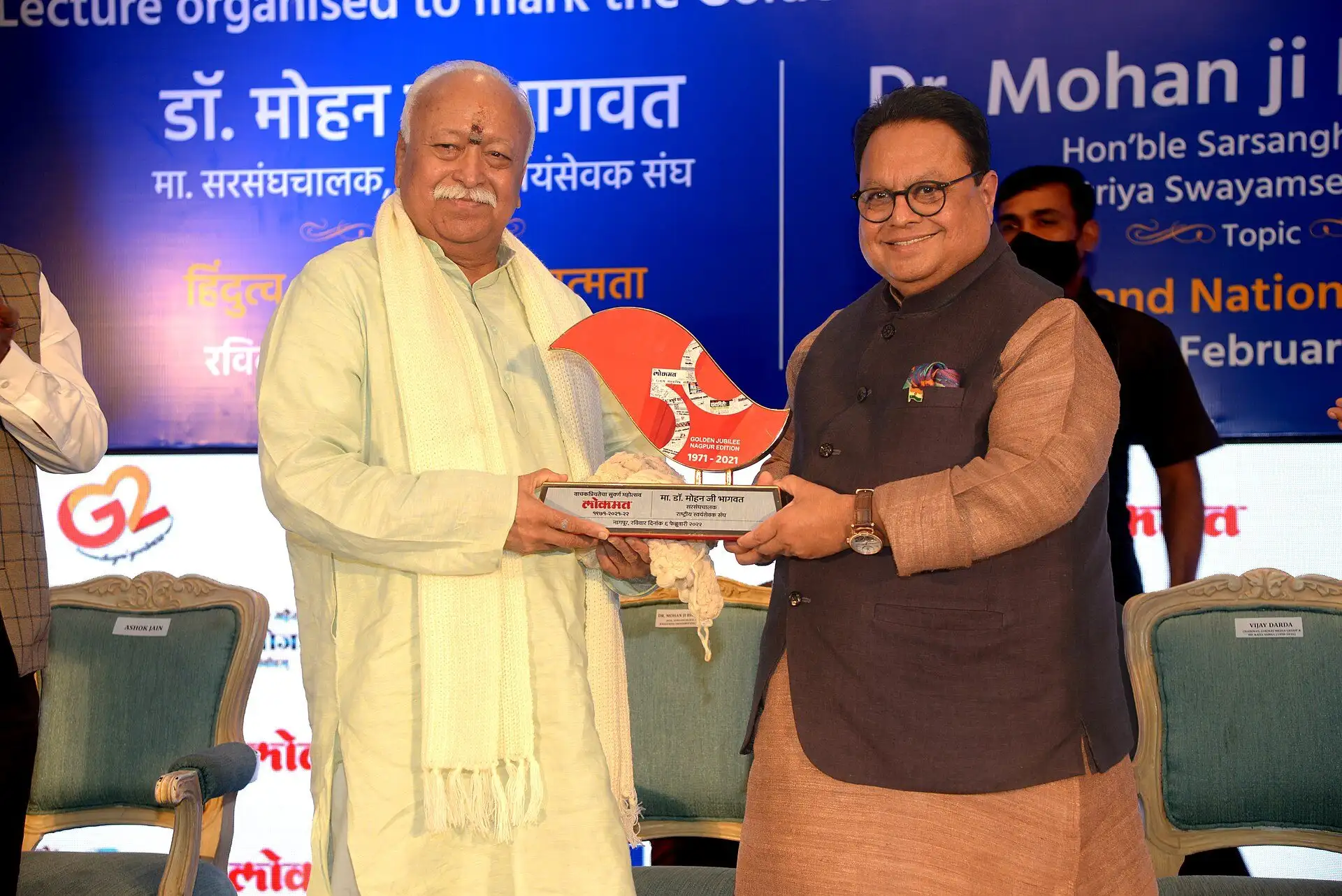
RSS Chief Mohan Bhagwat Says Lack of Compassion Drives Global and National Crises
Supreme Court Asks Centre to Consider Mother-Based Caste Certificates in Specific Cases