Supreme Court Mandates Judicial Member Presence for PMLA Property Attachment Confirmations
The Supreme Court of India has ruled that adjudicating authorities must include a judicial member when confirming provisional property attachments under the Prevention of Money Laundering Act.

- Supreme Court rules a judicial member must be present to confirm PMLA property attachments.
- The requirement applies to Section 8(2) and 8(3) hearings but excludes the initial show-cause notice phase.
- The court upheld the legality of single-member benches, provided the member is a judicial appointee.
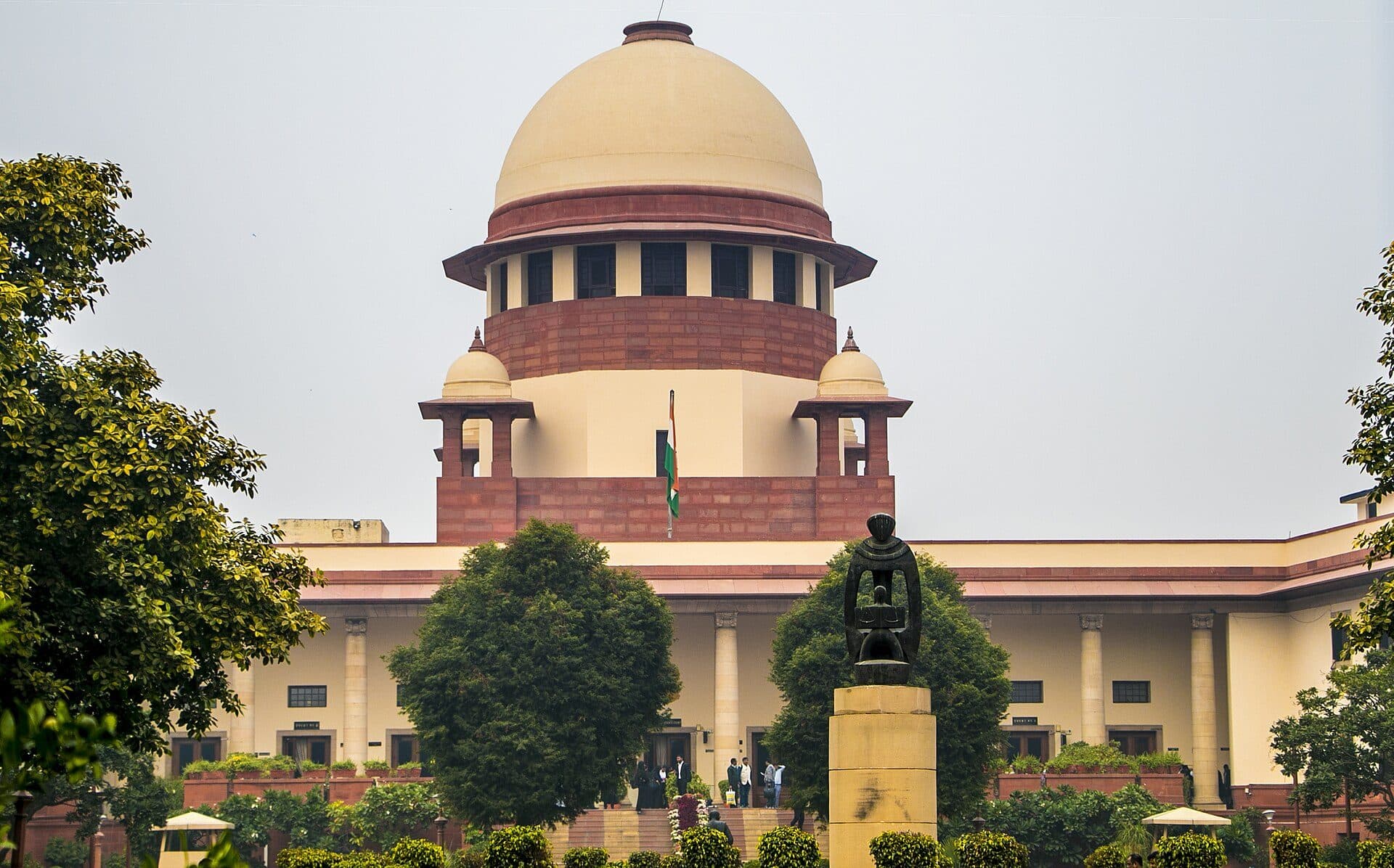
The Supreme Court of India has issued a landmark ruling regarding the composition of the Adjudicating Authority responsible for reviewing property attachments under the Prevention of Money Laundering Act (PMLA). A bench led by Chief Justice of India Surya Kant determined that any authority confirming a provisional attachment order must include a judicial member. This requirement is intended to ensure that the process, which involves complex statutory interpretation and the evaluation of evidence, is conducted with necessary legal objectivity.
Scope and Legal Reasoning
The court clarified that while administrative or financial members bring specialized expertise to the bench, the task of determining whether property is linked to money laundering requires specific judicial training. The ruling applies specifically to hearings held under Sections 8(2) and 8(3) of the PMLA, which involve the formal confirmation of provisional attachments. The bench noted that a judicial member is not required during the initial stage of issuing a show-cause notice under Section 8(1).
Highlighting the serious nature of these proceedings, the court emphasized that confirming a provisional attachment can result in the government seizing possession of a property. This action potentially deprives owners of their assets for the entire duration of a trial, long before any criminal offense is officially proven. Consequently, the presence of a member from the legal field serves as a vital safeguard against the extensive powers granted to the Enforcement Directorate regarding the seizure of suspected proceeds of crime.
Procedural Directions and Statutory Validity
The Supreme Court affirmed the validity of Sections 6(5)(b) and 6(7) of the PMLA, which permit the formation of benches consisting of one or two members. The ruling clarifies that a two-member bench is not strictly mandatory; a single-member bench is permissible provided that the sole member possesses judicial qualifications. The chairperson of the Adjudicating Authority has been directed to issue an administrative circular to ensure all future orders passed under Section 8(3) conform to this requirement.
During the proceedings, the court rejected the argument that the chairperson of the Adjudicating Authority must always be a judicial member, finding no basis for such a requirement in the existing statutory scheme. The decision effectively resolves long-standing litigation regarding the composition of these benches, which had previously seen conflicting interpretations in high courts. By upholding the authority to constitute single-member benches while mandating judicial participation, the court seeks to balance administrative efficiency with the protection of due process for individuals facing property attachment.
- Judicial participation is now legally required for property attachment confirmations under the PMLA.
- The ruling maintains the ability to use single-member benches, provided they have judicial expertise.
- The decision addresses concerns about fairness in the Enforcement Directorate's attachment process.
- The Supreme Court of India has issued a landmark ruling regarding the composition of the Adjudicating Authority responsible for reviewing property attachments under the Prevention of Money Laundering Act (PMLA).
Spotted an error? · Our editorial policy
UP NEXTOpenAI Files Countersuit Against Apple Alleging Theft of Trade SecretsOther angles · #Enforcement Directorate
Timeline →- NewsSupreme Court Rules Judicial Member Must Be Part of PMLA Adjudicating Bench for Property Attachment
- NewsSupreme Court Rules Judicial Member Must Sit on Bench Confirming PMLA Property Attachments
- NewsEnforcement Directorate Summons Top Punjab Bureaucrats in Money Laundering Probe
- NewsSupreme Court Schedules PMLA Review Petitions for January Hearing
More from India
Supreme Court Issues Contempt Notices Over Madurai Temple Lamp Dispute

RSS Chief Mohan Bhagwat Says Lack of Compassion Drives Global and National Crises
Supreme Court Asks Centre to Consider Mother-Based Caste Certificates in Specific Cases