Supreme Court Asks Centre to Consider Mother-Based Caste Certificates in Specific Cases
The Supreme Court has asked the Centre to examine guidelines for issuing caste certificates to children based on their mother’s identity in cases of abandonment, adoption, divorce, and single motherhood.

- Supreme Court asked Centre to examine caste certificates based on mother's identity for adoption, divorce, abandonment, and single motherhood.
- Bench comprising Justices Joymalya Bagchi and V Mohana heard the matter with Attorney General R Venkataramani representing the Centre.
- Court disposed of Sucheta Dalal's 2022 PIL on unclaimed financial assets after noting reforms addressed core concerns.
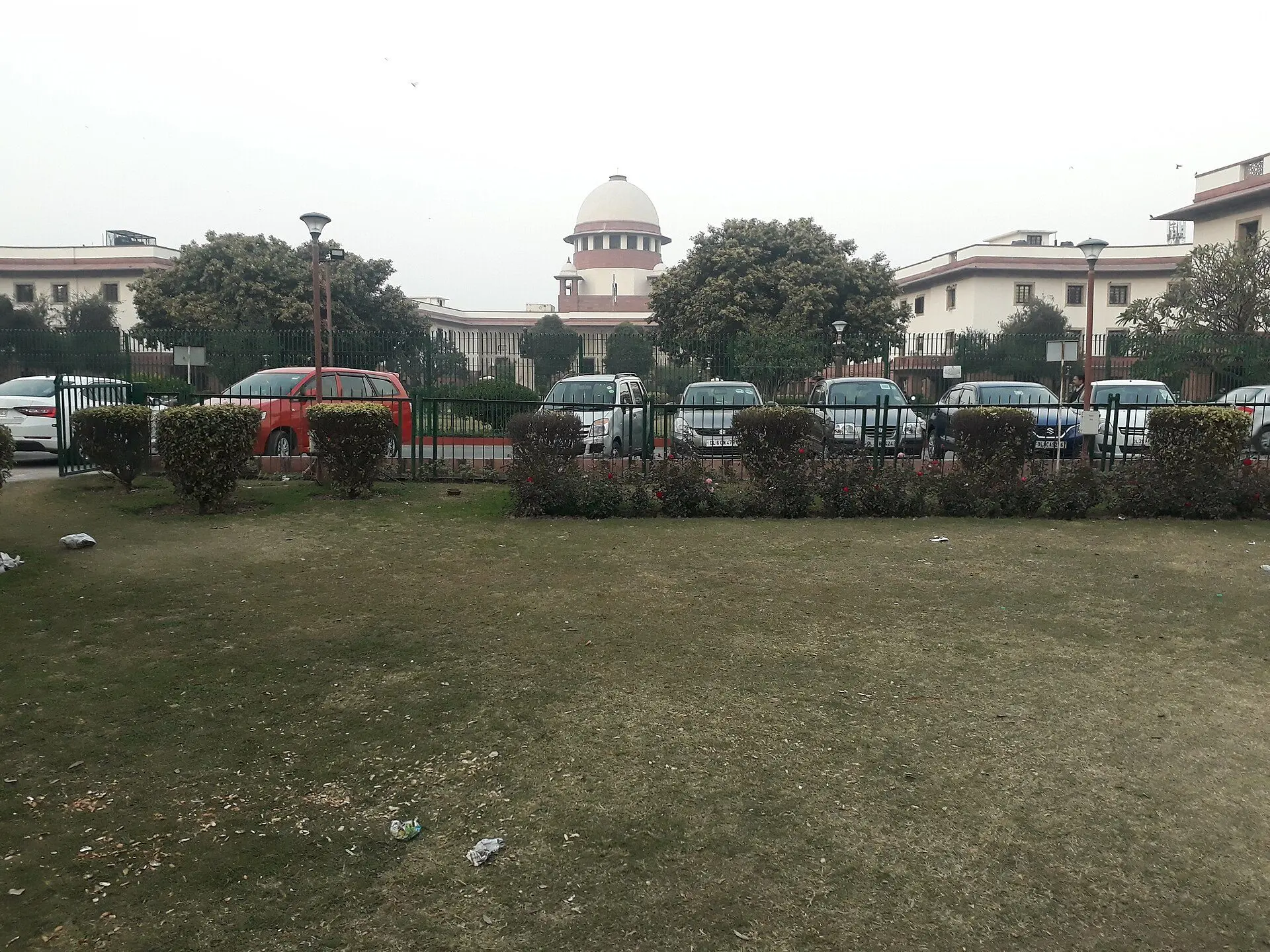
The Supreme Court directed the Centre on Friday to explore the possibility of establishing formal guidelines for issuing caste certificates to children using their mother's caste identity. Justices Joymalya Bagchi and V Mohana noted that this matter holds substantial importance, particularly in situations where the mother retains custody of the child. Attorney General R Venkataramani appeared for the Centre and was asked by the bench to assist the court in evaluating the legal and constitutional questions raised during the proceedings.
Evaluating Exceptions to Established Norms
The judicial bench deliberated on whether an appropriate exception could be developed regarding the standard practice of tracing a child's caste exclusively through the father's identity. The court emphasized that any potential modification must remain consistent with existing principles established by Constitution Bench judgments that govern caste-based reservations and migration. Furthermore, the bench declined to separate cases involving parents from the same caste from those originating out of inter-caste marriages, deciding instead to examine all related issues collectively before adjourning the pleas for further consideration.
Disposal of Unclaimed Financial Assets Petition
In a separate proceeding on the same day, a bench led by Justice Vikram Nath disposed of a 2022 public interest litigation filed by journalist Sucheta Dalal concerning unclaimed financial assets. The Supreme Court observed that the primary grievances highlighted in the petition had been effectively resolved through various regulatory and governmental reforms introduced while the litigation remained active. The bench acknowledged Dalal's contribution in bringing attention to the obstacles encountered by depositors, legal heirs, and nominees when attempting to locate and reclaim funds.
Mahadev Betting App Investigation Notice
Additionally, a bench headed by Justice MM Sundresh issued a formal notice to the Enforcement Directorate regarding a petition submitted by a Delhi-based lawyer. The petitioner, advocate Himanshu Shekhar, challenged a Bombay High Court ruling that permitted the agency to re-arrest him over allegations that he received 15 crore rupees from Saurabh Chandrakar, identified as the primary suspect in the Mahadev online betting application scam. The Supreme Court sought a response from the Enforcement Directorate but chose not to grant interim protection to the petitioner.
- The Supreme Court explored exceptions to determining a child's caste through the father in specific family circumstances.
- The Centre and Attorney General were asked to examine legal and constitutional aspects without disrupting existing reservation rules.
- A 2022 PIL on unclaimed financial assets was disposed of following regulatory reforms.
- The ED received a notice regarding an advocate's re-arrest challenge linked to the Mahadev betting application probe.
Spotted an error? · Our editorial policy
UP NEXTBelarus President Challenges Kremlin’s Historical Justification for Ukraine ConflictSwipe more stories · IndiaQuick cards, a few lines each. Tap to open.More from India
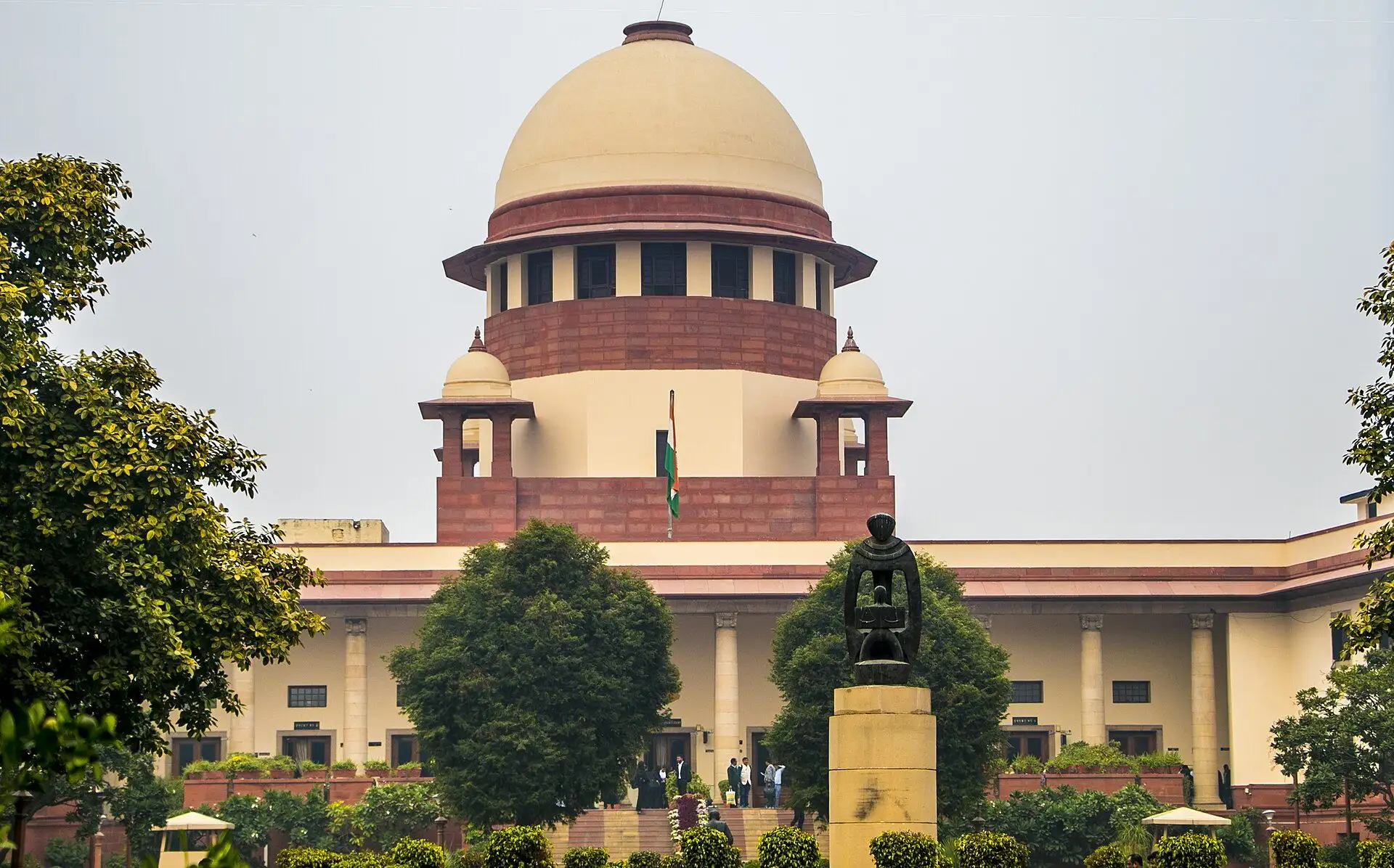
Supreme Court Issues Contempt Notices Over Madurai Temple Lamp Dispute
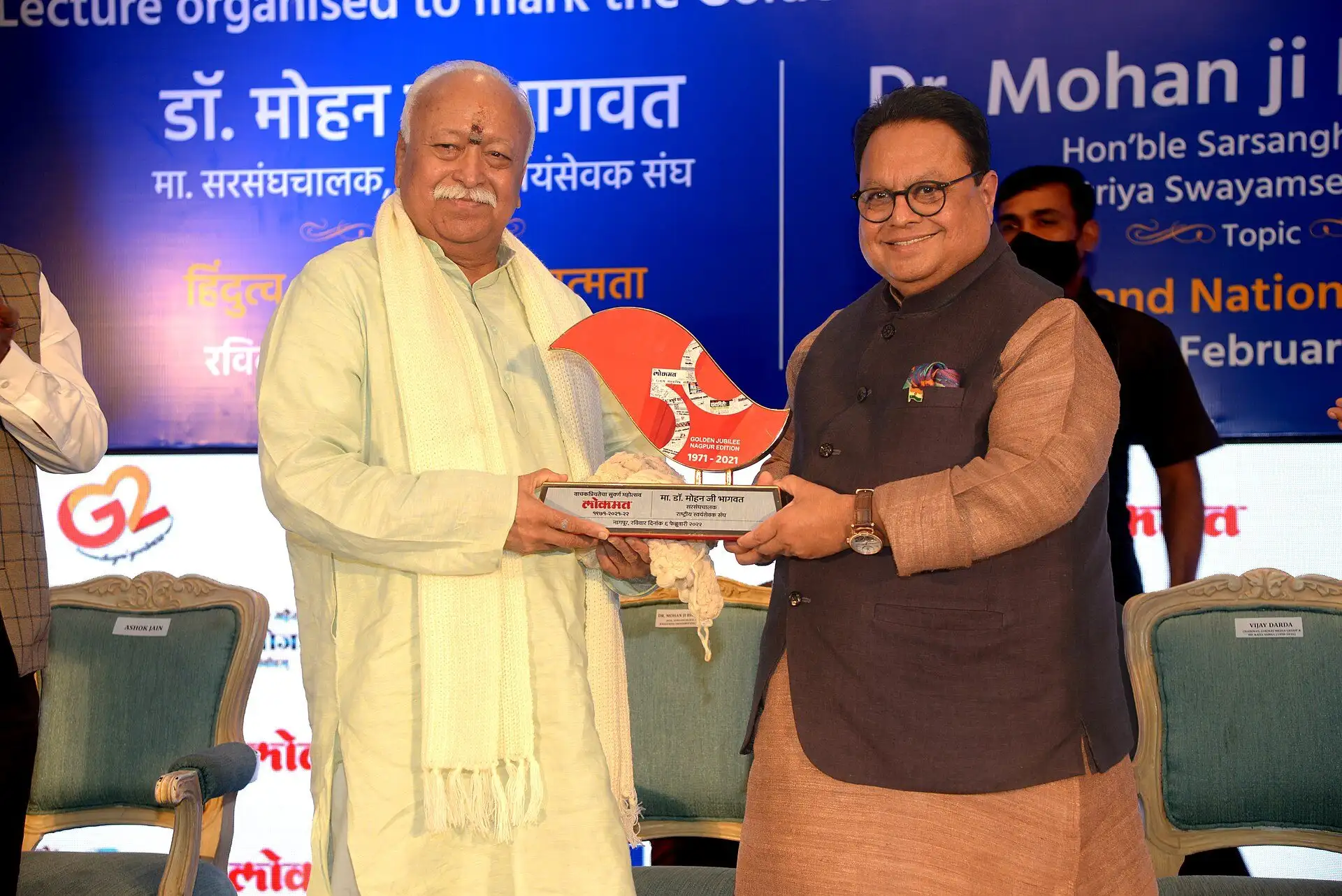
RSS Chief Mohan Bhagwat Says Lack of Compassion Drives Global and National Crises
Four Juveniles Detained Over Fatal Strangling of Jharkhand Residential School Student