Supreme Court Rules Judicial Member Must Be Part of PMLA Adjudicating Bench for Property Attachment
The Supreme Court has mandated that final property attachment proceedings under the Prevention of Money Laundering Act must include a judicial member to ensure legal objectivity.

- Final PMLA property attachment adjudication must include a judicial member.
- Single-member non-judicial benches can still issue Section 8(1) show-cause notices.
- The Supreme Court suggested the Centre consider reverting to multiple adjudicating authorities.
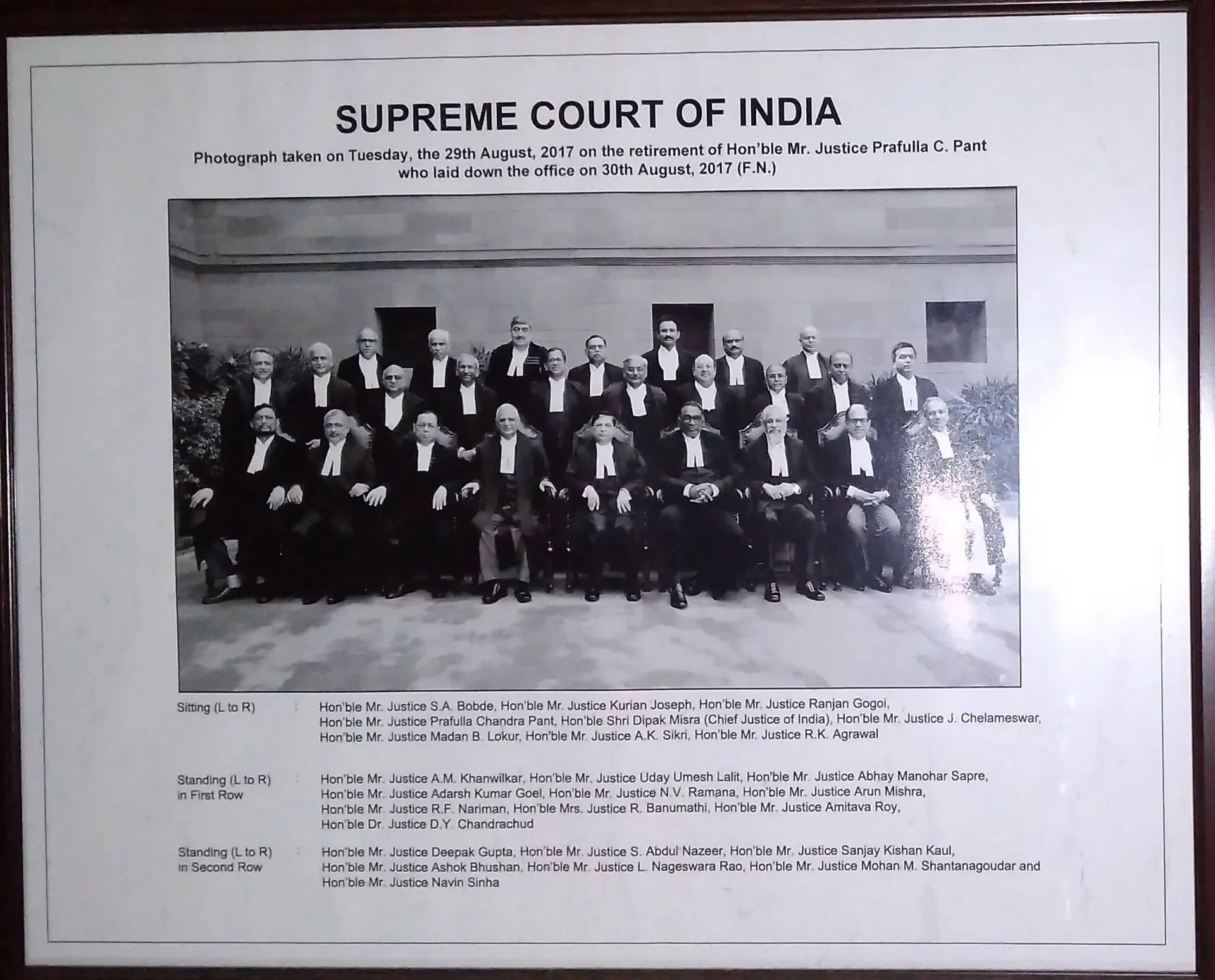
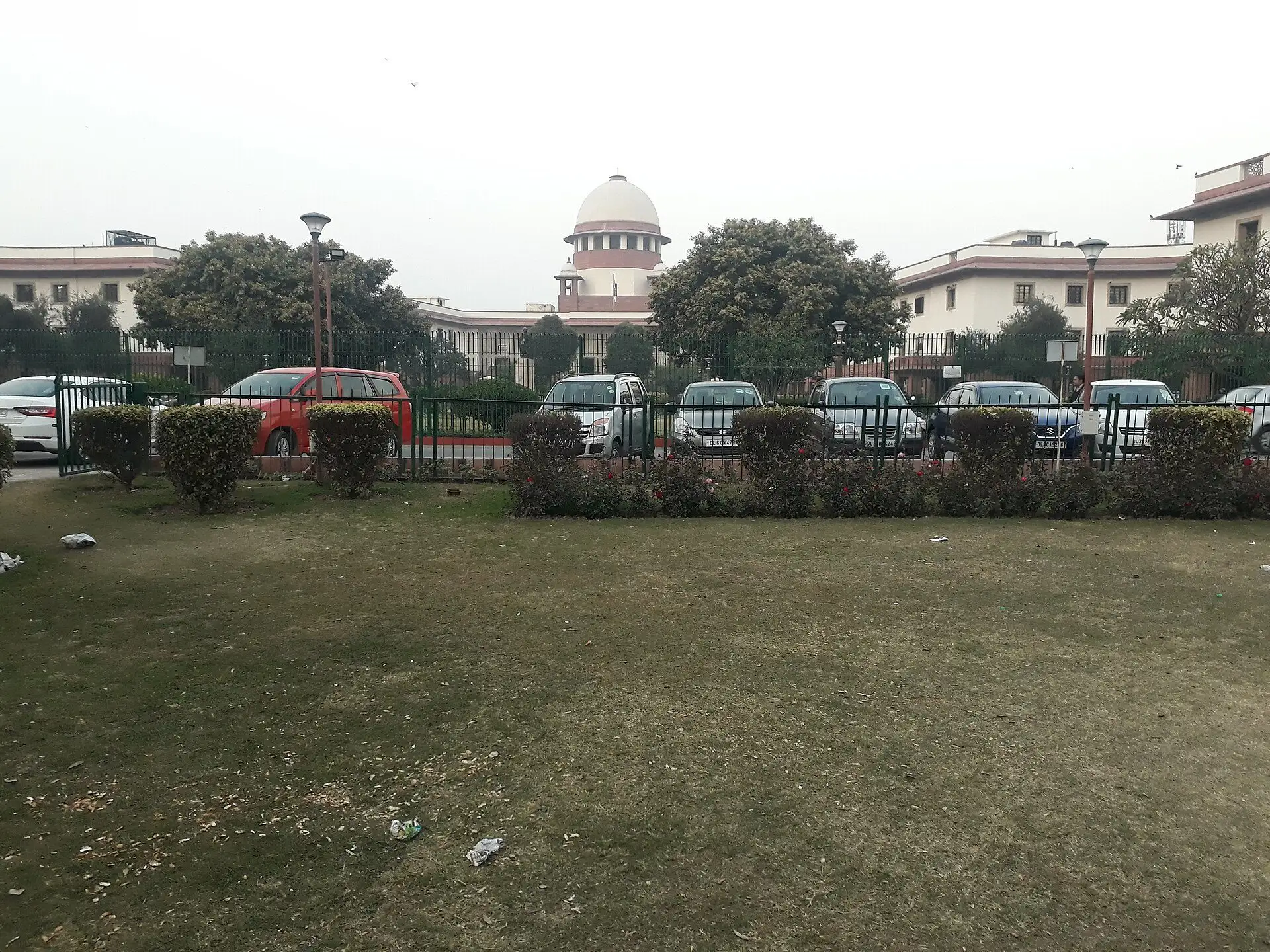
The Supreme Court has ruled that final adjudication proceedings regarding property attachments under the Prevention of Money Laundering Act (PMLA) must incorporate a judicial member. Delivered by a bench comprising Chief Justice of India Surya Kant and Justices Joymalya Bagchi and V Mohana, the 55-page judgment addresses a batch of appeals stemming from prior rulings of the Delhi, Calcutta, and Telangana High Courts. These high courts had previously upheld proceedings conducted by single-member benches of the PMLA Adjudicating Authority (AA) that lacked a legal background.
Judicial Temperament and Civil Consequences
The bench observed that the process of confirming provisional attachments under Sections 8(2) and 8(3) of the PMLA involves significant civil consequences, including the potential transfer of property possession to the central government until a criminal trial concludes. Because such determinations require interpreting statutory definitions, applying legal precedents, and evaluating standards of proof, the court emphasized that administrative and financial expertise alone is insufficient. While acknowledging the exceptional capabilities of administrative and financial members, the verdict stressed that impartial and legally sound decisions necessitate judicial temperament and training.
Scope of Single-Member Benches and Administrative Tasks
The Supreme Court clarified that single-member benches comprising non-judicial members are not entirely barred, as they retain the authority to perform administrative functions such as issuing show-cause notices under Section 8(1). However, subsequent hearings and final determinations under Sections 8(2) and 8(3) must involve a bench that includes a judicial member. Furthermore, the court noted that the chairperson of the Adjudicating Authority is not required to belong to a legal background, provided that a judicial member is included on the specific bench handling final adjudications. The chairperson was directed to issue administrative circulars to constitute benches accordingly, while interim protections in connected matters were vacated.
Workload Pressures and Legislative Recommendations
Addressing systemic pressures, the court highlighted that statutory timelines requiring adjudication within 180 days have placed immense strain on the Adjudicating Authority amidst a surge in provisional attachment orders. Citing data showing provisional attachment orders grew from 130 in March 2012 to 3,639 cumulative orders through recent figures, the bench recommended that the Centre consider repealing a 2009 statutory amendment that replaced multiple adjudicating authorities with a single body. The court rejected the government's comparisons to analogous bodies under the NDPS, SAFEMA, Benami Act, and Customs Act, noting those statutes do not mandate a judicial member. The ruling applies prospectively, and pending complaints before the authority must now adhere to the newly established principles.
- A judicial member is mandatory for PMLA Section 8(2) and 8(3) determinations.
- The Supreme Court judgment applies prospectively to ongoing cases.
- Non-judicial single-member benches can still handle administrative tasks like show-cause notices.
- The Supreme Court has ruled that final adjudication proceedings regarding property attachments under the Prevention of Money Laundering Act (PMLA) must incorporate a judicial member.
Spotted an error? · Our editorial policy
UP NEXTSandeep Reddy Vanga Argues Indian Screen Legends Outmatch Hollywood Icons in Body of WorkSwipe more stories · IndiaQuick cards, a few lines each. Tap to open.More from India
Supreme Court Issues Contempt Notices Over Madurai Temple Lamp Dispute
RSS Chief Mohan Bhagwat Says Lack of Compassion Drives Global and National Crises
Supreme Court Asks Centre to Consider Mother-Based Caste Certificates in Specific Cases