Government Introduces Revised Delimitation and Union Territory Bills in Lok Sabha
The Indian government is set to introduce fresh legislation concerning the delimitation of Jammu and Kashmir assembly seats and the amendment of Union Territory laws to support proposed gender-based representation changes.

- The government is withdrawing pending legislation from April to introduce fresh versions of the Delimitation and Union Territories Laws bills.
- Section 3(4) of the 2026 Bill allows the Election Commission to redraw assembly seats in Pakistan-occupied areas if occupation ends.
- The legislative package supports the 132nd Constitutional Amendment aiming for 33% women's reservation in assemblies.
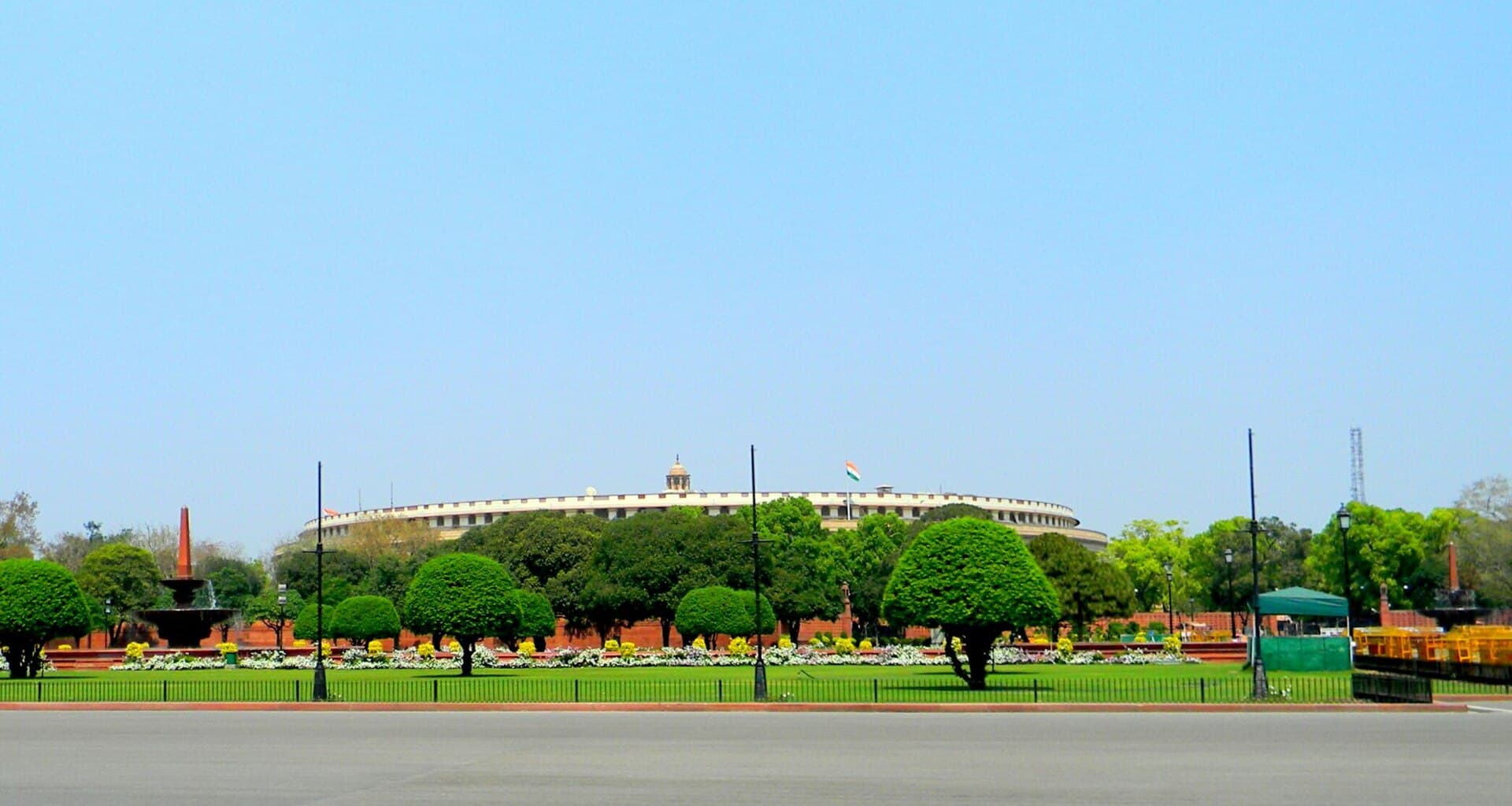
The Indian government has scheduled the introduction of the Delimitation (Second) Bill, 2026, and the Union Territories Laws (Amendment) Second Bill, 2026, in the Lok Sabha. These legislative measures arrive as part of a renewed effort to facilitate the 132nd Constitutional Amendment, which proposes a 33 percent reservation for women in the Lok Sabha and state legislative assemblies. The new package follows a previous attempt in April that included the now-withdrawn Constitution (131st Amendment) Bill, which failed to garner sufficient support for passage at the time.
Conditional Provisions for Jammu and Kashmir
A notable feature of the Delimitation (Second) Bill is Section 3(4), which establishes a conditional framework for redrawing assembly constituencies in regions of Jammu and Kashmir currently under the occupation of Pakistan. The legislation stipulates that the Election Commission of India will assume the responsibilities of a delimitation commission for these territories should they cease to be under such occupation in the future. The text of the bill refers to these areas as falling under the occupation of Pakistan, avoiding the commonly used acronym PoK.
Legislative Structure and Oversight
The proposed legislation distinguishes between the handling of occupied territories and other regions. While the Election Commission is tasked with delimiting the areas currently outside Indian administrative control, the bill outlines a separate structure for the rest of the region. This standard commission would be led by a sitting or retired judge from the Supreme Court, with additional members including the Chief Election Commissioner or an election commissioner, alongside the relevant state election commissioner.
The bill specifically addresses the Jammu and Kashmir Legislative Assembly and does not explicitly reference Lok Sabha constituencies in those areas. Furthermore, the current text leaves several details unaddressed, such as the status of the 24 assembly seats traditionally reserved for the territory and whether the proposed 50 percent increase in total seat counts would be applicable to these specific segments. The accompanying Union Territories Laws (Amendment) Second Bill is intended to align the governing laws of Delhi, Jammu and Kashmir, and Puducherry—the three union territories currently possessing legislative assemblies—with the broader mandates of the 132nd Constitutional Amendment.
- Fresh bills replace previously failed legislation from April.
- The Election Commission is designated to handle future delimitation in areas currently under Pakistani occupation.
- The legislation is tied to the 132nd Constitutional Amendment regarding women's representation.
- Legislation covers three union territories: Delhi, Jammu and Kashmir, and Puducherry.
Spotted an error? · Our editorial policy
UP NEXTNCP (SP) Internal Divisions Surface Ahead of Delimitation Bill VoteOther angles · #Delimitation
Timeline →- NewsUnion Government Proposes Major Expansion of Lok Sabha and State Assemblies Through New Delimitation Bill
- NewsGovernment proposes 50% increase in Lok Sabha seats, delimitation freeze until 2051 in new constitutional bill
- NewsGovernment Proposes New Delimitation Legislation to Implement Women’s Reservation
- NewsShashi Tharoor Criticizes DMK Over Stance on Proposed Delimitation and Lok Sabha Seat Increase
More from India
Cultural figures release declaration to protect constitutional values
A Historical Perspective on Defeated Indian Constitutional Amendment Bills
Bisleri Challenges FSSAI Findings After Independent Labs Clear West Bengal Water Batch