INDIA Bloc Resolves to Oppose Delimitation and Women Reservation Bill in Parliament
Leaders of the opposition INDIA bloc have agreed to jointly oppose the upcoming constitutional amendment bill linking delimitation with a women’s quota, arguing it threatens marginalized groups and democratic structures.

- INDIA bloc leaders decided to jointly oppose the constitutional amendment bill on delimitation and women's reservation in Parliament.
- The Constitution (132nd Amendment) Bill, 2026, seeks to raise Lok Sabha maximum strength to 850 and freeze boundaries until 2051.
- Opposition leaders argued the bill harms SC/ST representation and demanded reservations within existing Lok Sabha capacities.
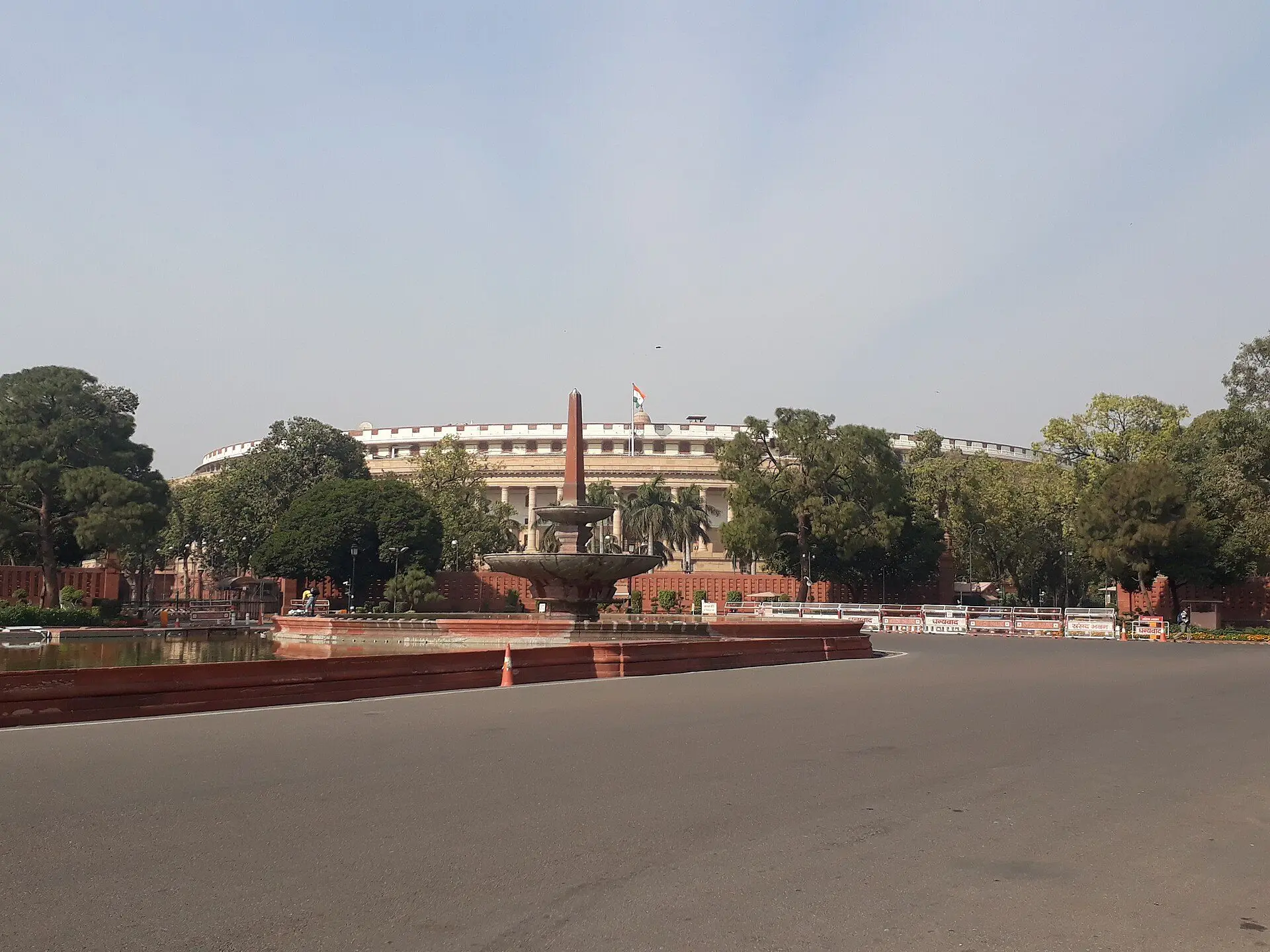
Opposition parties belonging to the INDIA bloc convened a two-hour strategy session on Saturday at the residence of the Leader of the Opposition in the Rajya Sabha. Following the deliberations, Congress President Mallikarjun Kharge announced that the coalition has resolved to jointly oppose the forthcoming constitutional amendment bill in Parliament. Leaders asserted that the proposed legislation linking delimitation with women's reservation is designed to undermine the interests of Scheduled Castes and Scheduled Tribes while permanently securing power for the ruling alignment.
Legislative Proposals and Parliament Schedule
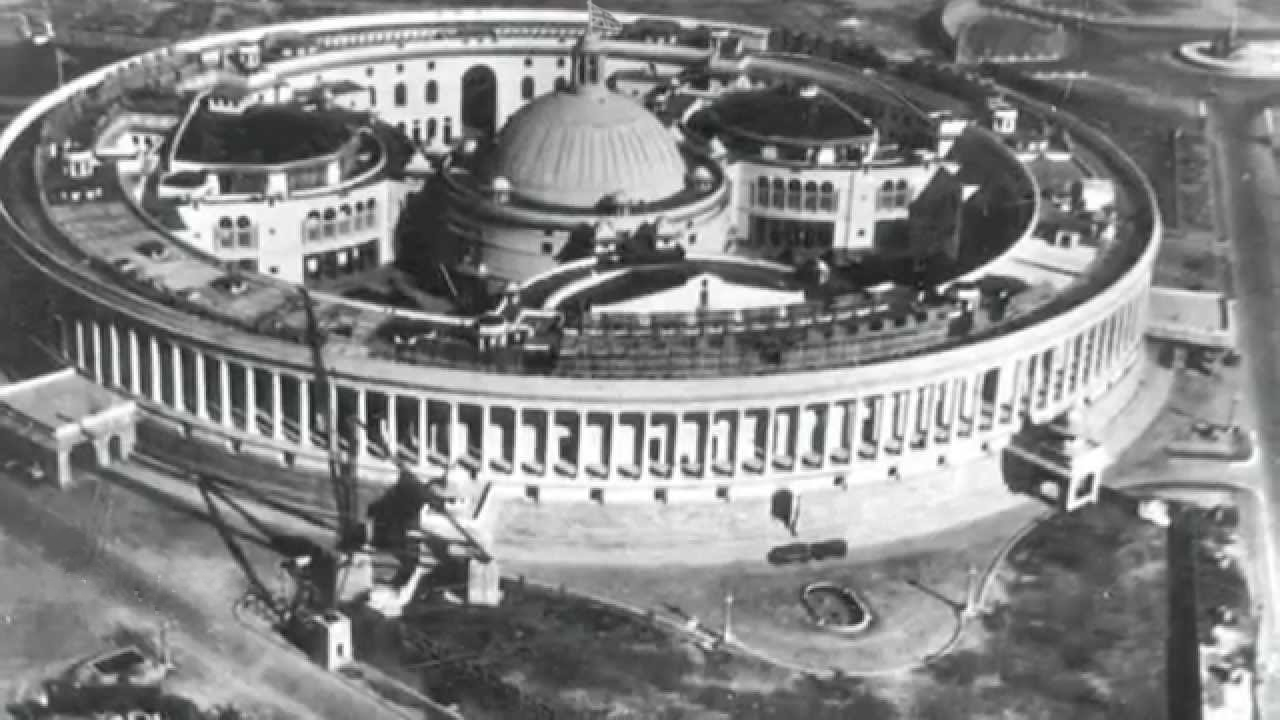
The Centre has scheduled a special sitting of Parliament running from November 30 to December 3, with the Lok Sabha reconvening on November 30 and the Rajya Sabha on December 2. Government business includes the introduction of the Constitution (132nd Amendment) Bill, 2026, in the Lok Sabha on Monday. The proposed legislation aims to implement a one-third reservation for women by expanding seat allocations across states and Union territories and increasing legislative assembly strengths by 50 per cent. Furthermore, the bill seeks to cap the maximum strength of the Lok Sabha at 850 members—comprising up to 815 from states and 35 from Union territories—while raising the ceiling for state assembly sizes from 500 to 650 members. Revised seat allocations and boundary limits would remain frozen until 2051 under the provisions.
Opposition Criticisms and Counter-Demands
During the meeting, opposition figures raised multiple objections regarding the scale and intent of the legislative package. Congress President Mallikarjun Kharge alleged that the exercise aims to bypass population-based increases for Scheduled Castes and Scheduled Tribes and suggested it could alter constitutional foundations. Independent MP Kapil Sibal questioned whether an expanded chamber of 850 legislators could function efficiently, arguing that women's reservation could be enacted immediately within the existing Lok Sabha strength of 543 seats without altering boundaries. The coalition demanded that current Lok Sabha strength be maintained, that women's quotas utilize existing capacities, and that state-wise seat allocations remain unchanged for the next 25 years.
Numerical Breakdown and Political Shifts
The legislative push follows the April 17 defeat of a prior constitutional amendment bill, which fell 54 votes short of the required two-thirds majority after securing 298 favorable votes against 230 opposing votes. The political landscape has since shifted following the departure of 20 Trinamool Congress MPs in June to merge with the NDA-supporting Nationalist Citizens Party of India, with disqualification proceedings currently pending before Lok Sabha Speaker Om Birla. Additional realignments include the NCP (Sharadchandra Pawar) faction indicating support for the fresh proposal under a uniform 50 per cent increase, alongside backing from the DMK with its 22 MPs. With the Lok Sabha currently maintaining 540 sitting members, three vacancies, and one active suspension, passing the bill requires a two-thirds majority threshold determined by participating voters.
- The INDIA bloc held a strategic meeting at the residence of the Rajya Sabha opposition leader to plan opposition to the upcoming bill.
- The proposed legislation increases state assembly limits to 650 and raises Lok Sabha capacity to 850 members.
- Political realignment includes support from the DMK and certain party breakaways, altering the arithmetic needed for the two-thirds parliamentary majority.
Spotted an error? · Our editorial policy
UP NEXTGovernment Introduces Revised Delimitation and Union Territory Bills in Lok SabhaOther angles · #Delimitation Bill
Timeline →More from Indian Politics
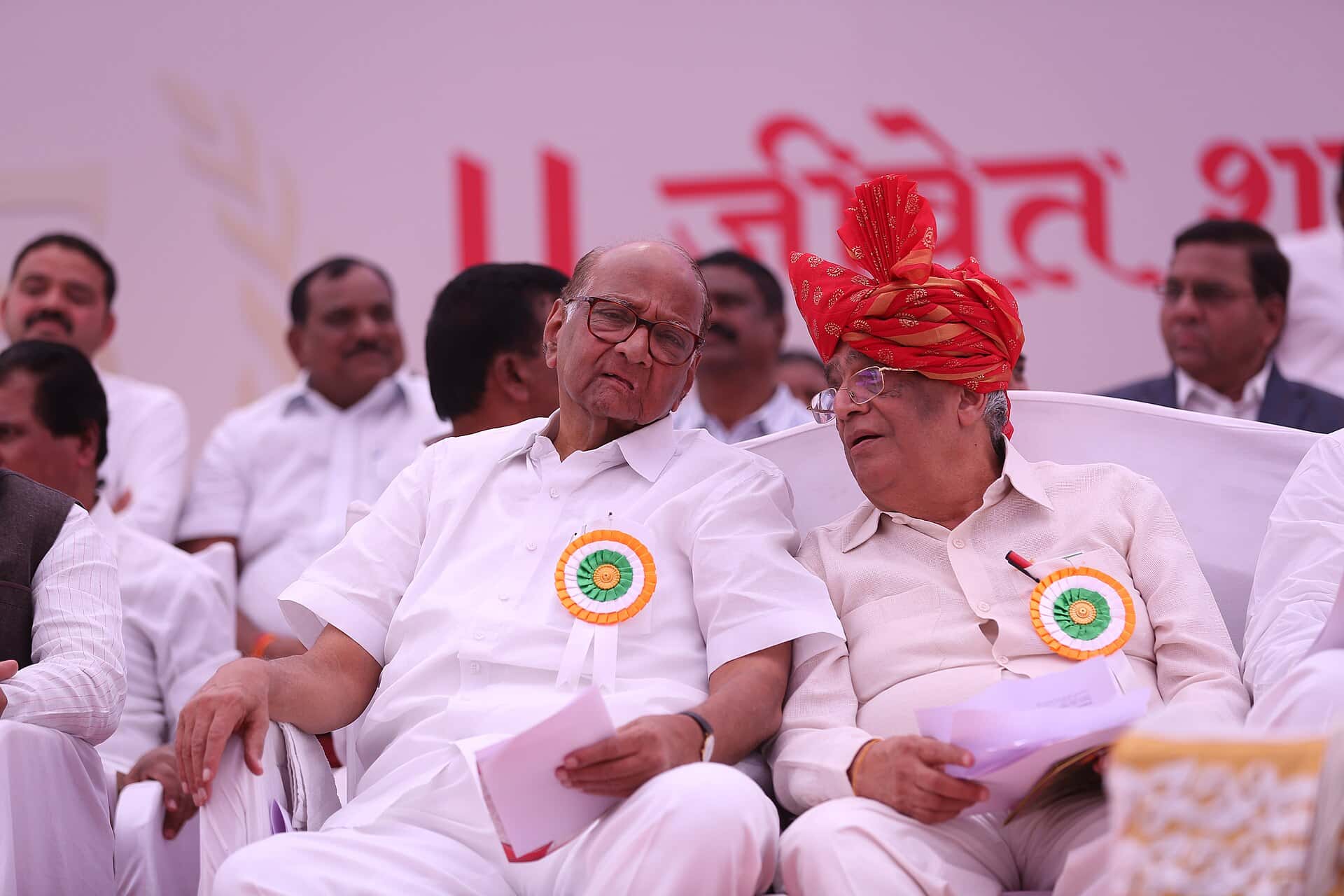
NCP (SP) Internal Divisions Surface Ahead of Delimitation Bill Vote

Union Government Proposes Major Expansion of Lok Sabha and State Assemblies Through New Delimitation Bill
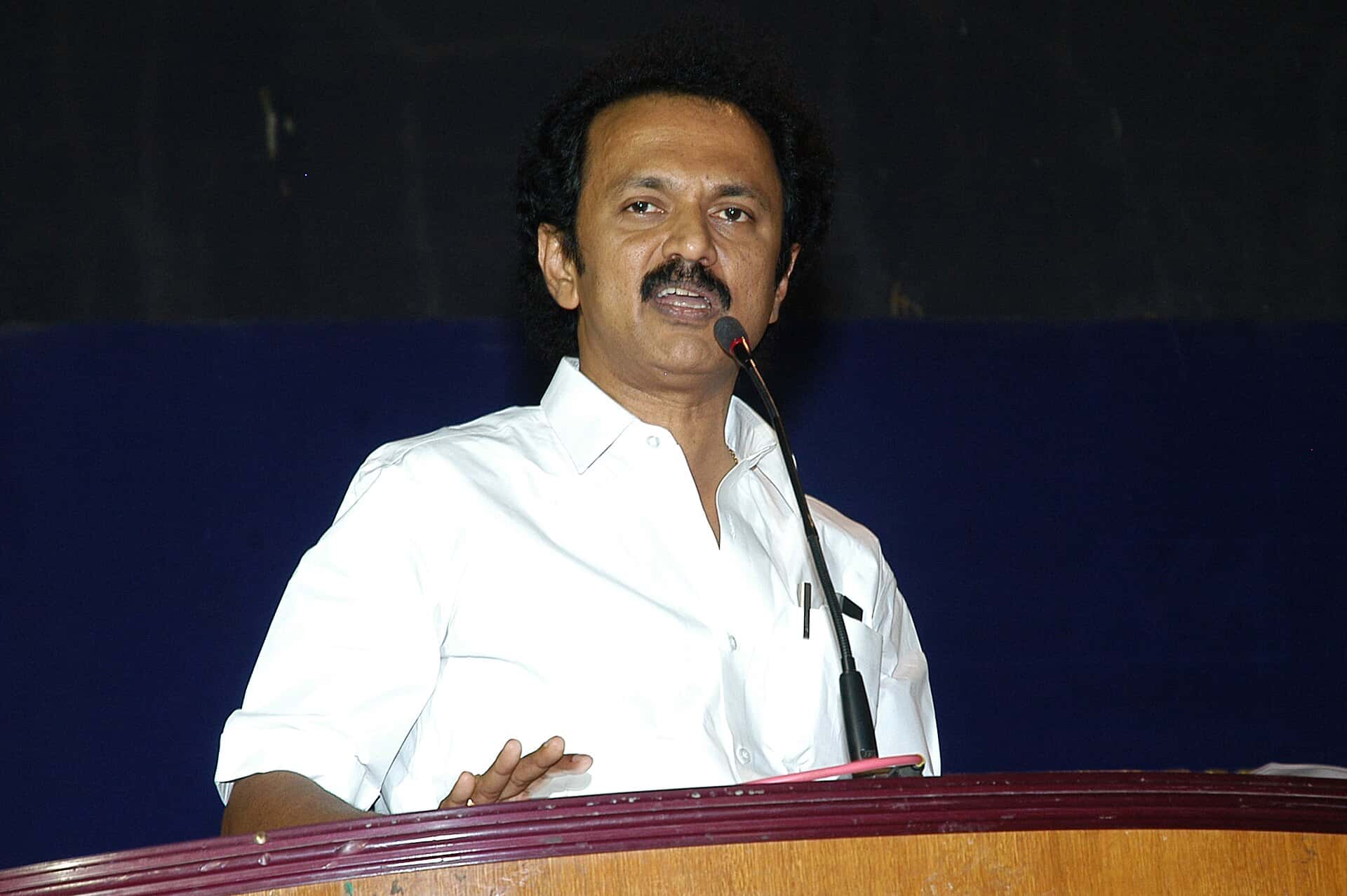
TVK mocks Stalin as ‘Savarkar 2.0’ after DMK backs revised delimitation bill