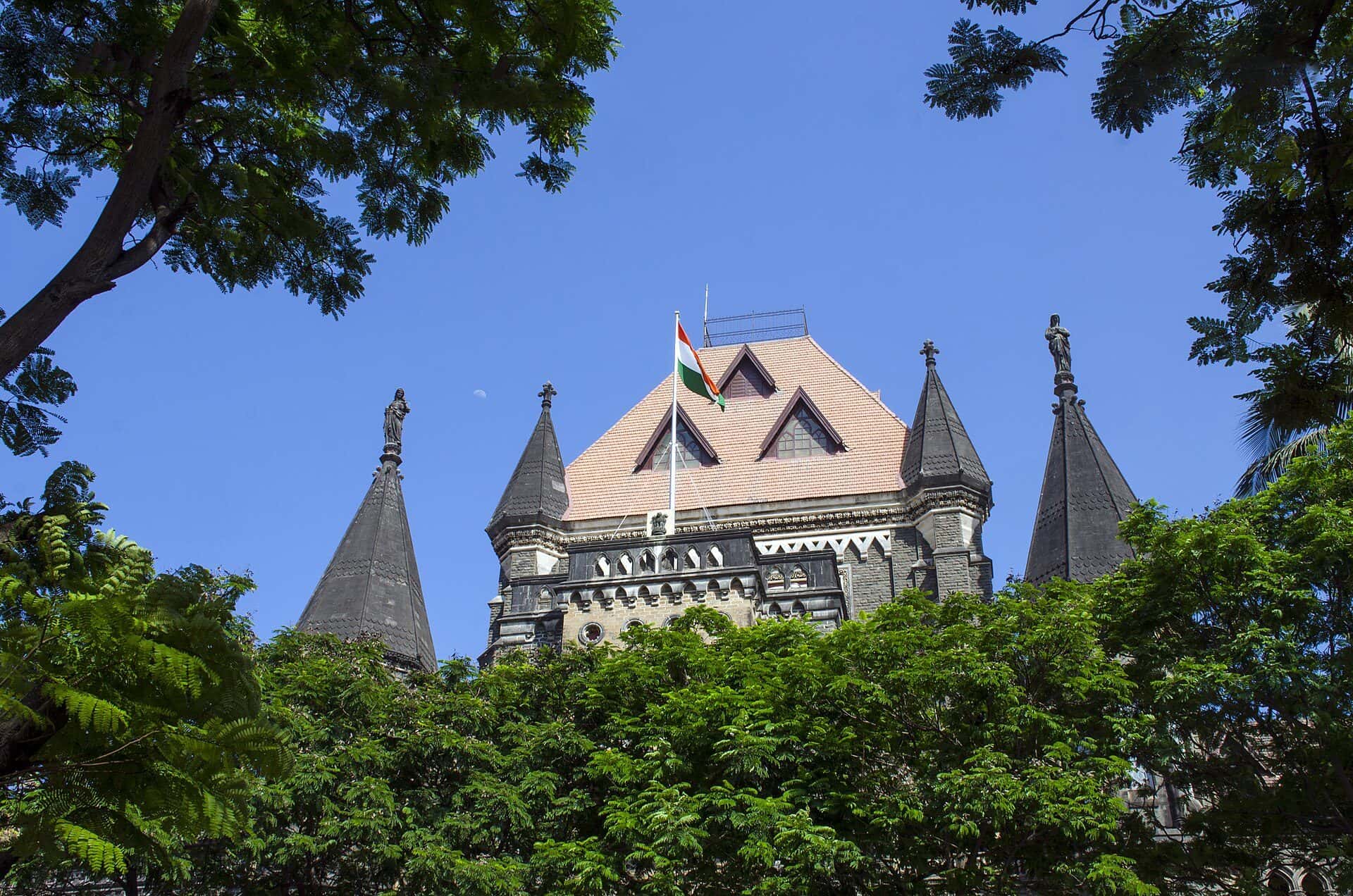
Union Government Proposes Major Expansion of Lok Sabha and State Assemblies Through New Delimitation Bill
Union Home Minister Amit Shah has urged political parties to support the Constitution (132nd) Amendment Bill, which aims to increase parliamentary and state assembly seats to facilitate 33% women’s reservation.

- The Constitution (132nd) Amendment Bill proposes increasing Lok Sabha seats to 850 and state assemblies to 650.
- The bill aims to implement 33% women's reservation in time for the 2029 general elections.
- The proposal utilizes 2011 Census data for seat redistribution while keeping the 1971 Census for relative state share.

Union Home Minister Amit Shah has called upon all political parties to support the Constitution (132nd) Amendment Bill, a legislative initiative intended to increase the total number of seats in the Lok Sabha and various state legislative assemblies. The proposal, which recently received Cabinet approval, seeks to expand the Lok Sabha's maximum capacity from its current 543 seats to 850. Simultaneously, the bill proposes amending Article 170(1) to increase the maximum size of state legislative assemblies to approximately 650 seats. Officials state this move is designed to enhance public representation and bring governance closer to citizens, with specific implications for states like Uttar Pradesh, which could expand its assembly without requiring territorial division.
Legislative Objectives and Women's Reservation
The core motivation behind the proposed restructuring is the implementation of 33% reservation for women in the Lok Sabha and state legislatures, a policy known as the Nari Shakti Vandan Act. The government intends for this framework to be active in time for the 2029 general elections. According to the Home Minister, providing one-third representation to women will significantly influence national policymaking and ensure that state-level policies are more inclusive. The plan involves a freeze on these new seat allocations and constituency boundaries until 2051 to maintain legislative stability once the changes are enacted.
Procedural Details and Political Reaction
The upcoming special session of Parliament, scheduled from November 30 to December 3, is expected to be the venue for introducing these reforms. The government’s legislative package includes two Constitution Amendment Bills and a supplementary bill to address laws governing Union Territories. These changes will utilize 2011 Census data for the purpose of redrawing constituency boundaries, while the 1971 Census will continue to serve as the benchmark for determining the relative share of Lok Sabha seats allocated to each state. While parties such as the DMK, NCP, and BRS are expected to support the legislation, the ruling coalition must secure a two-thirds majority in both houses of Parliament to pass a constitutional amendment.
Opposition and Political Discourse
The initiative has faced criticism from opposition leaders, notably Samajwadi Party chief Akhilesh Yadav. He characterized the delimitation effort as the government's most significant political error, arguing that the administration is prioritizing electoral boundaries over national security concerns. In his response, Yadav suggested that the ruling party remains preoccupied with internal constituency adjustments while ignoring the broader state of the country's borders. Despite this opposition, the government maintains that it possesses the necessary parliamentary support to pass the legislation during the upcoming special session, marking a second attempt at the measure following an unsuccessful effort earlier in April.
- The government seeks to increase Lok Sabha seats to 850 to allow for greater representation.
- Women will receive 33% of seats in legislative bodies under the proposed Nari Shakti Vandan Act.
- Opposition figures have criticized the plan, citing concerns over the government's priorities regarding border security versus constituency boundaries.
- The new seat structure is intended to remain in place until at least 2051.
Spotted an error? · Our editorial policy
UP NEXTCultural figures release declaration to protect constitutional valuesOther angles · #Amit Shah
Timeline →- NewsAmit Shah Criticizes Rahul Gandhi Over Constitution at Samvidhan Gaurav Divas
- NewsUnion Home Minister Amit Shah Pledges Uniform Civil Code Implementation in BJP-Run States
- NewsBJP and SAD Revive Punjab Alliance for 2027 Assembly Elections with Sukhbir Badal as Chief Ministerial Face
- NewsCaptain Amarinder Singh Absent As BJP and SAD Formally Restore Punjab Alliance for 2027
More from Indian Politics
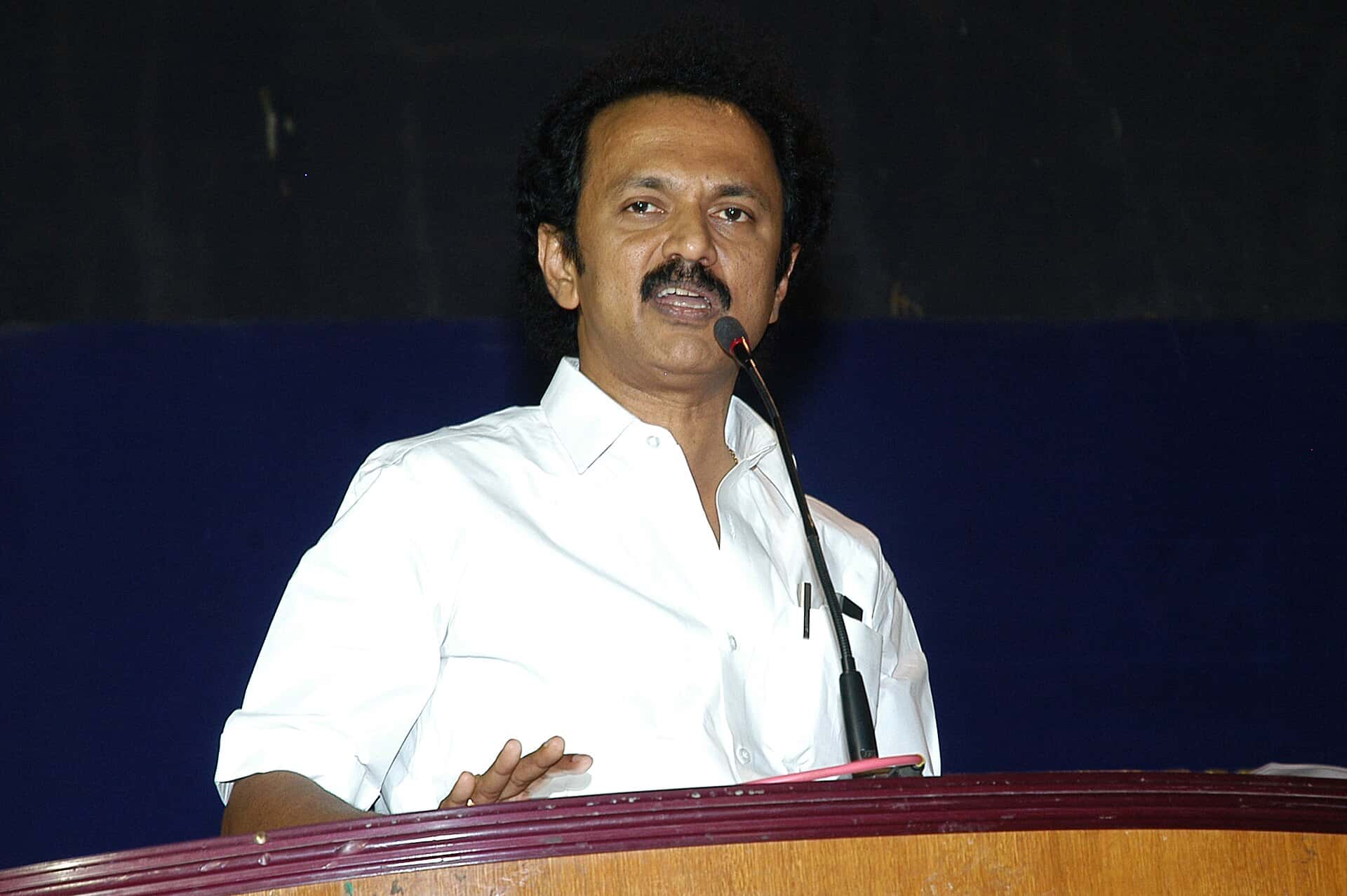
TVK mocks Stalin as ‘Savarkar 2.0’ after DMK backs revised delimitation bill
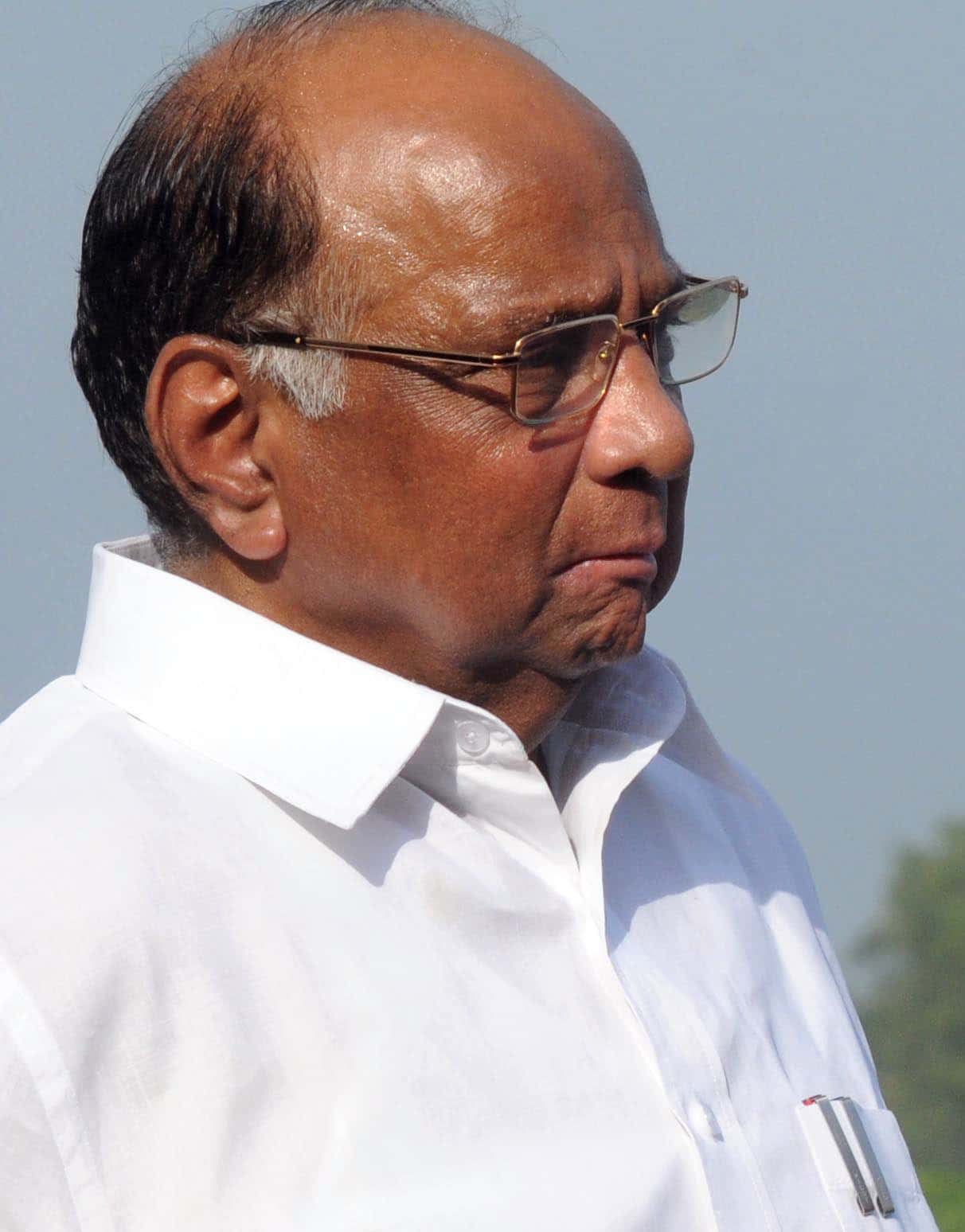
Sharad Pawar visits cancer institute for routine check-up during Mumbai hospital stay
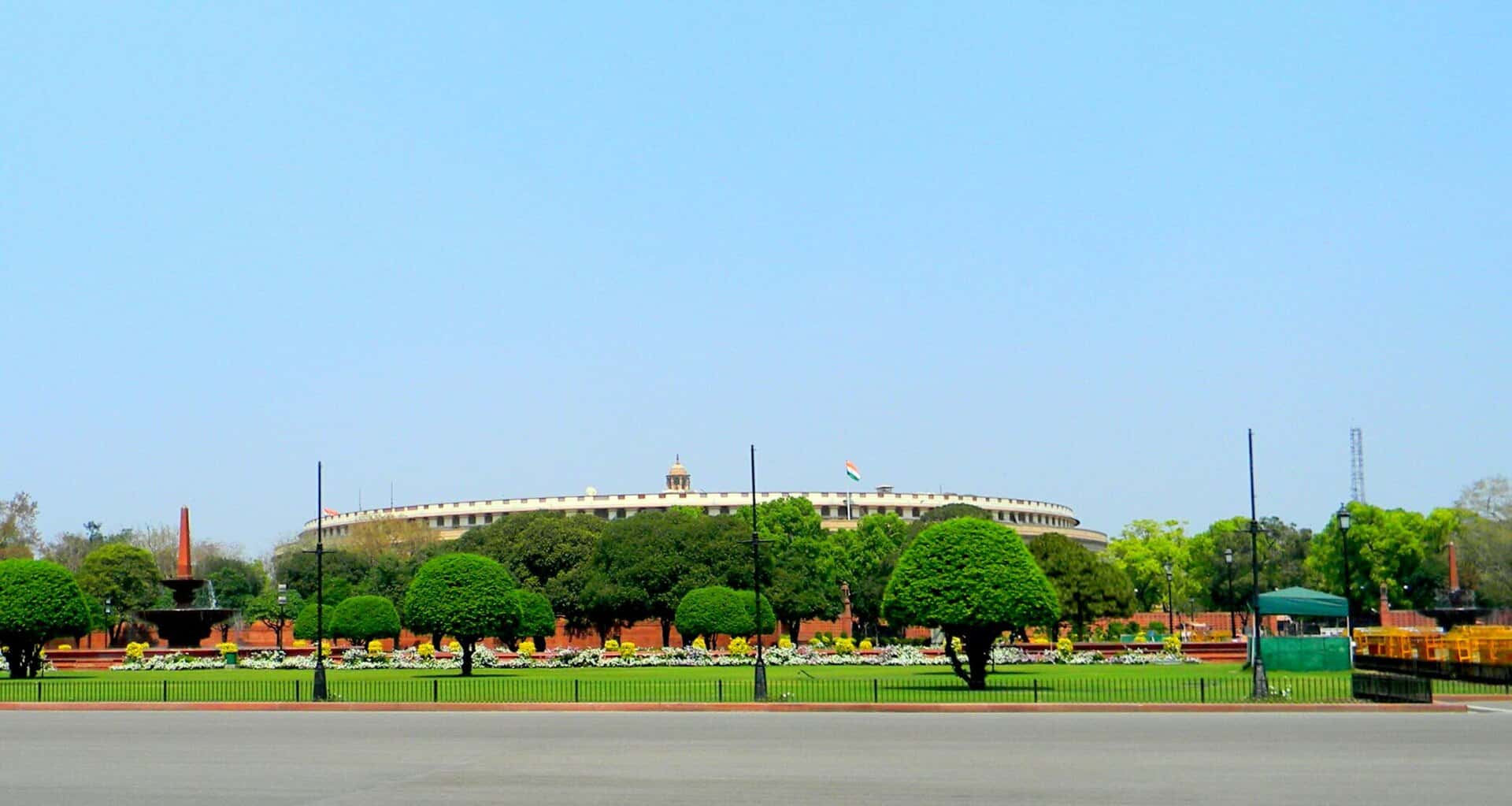
Government proposes 50% increase in Lok Sabha seats, delimitation freeze until 2051 in new constitutional bill