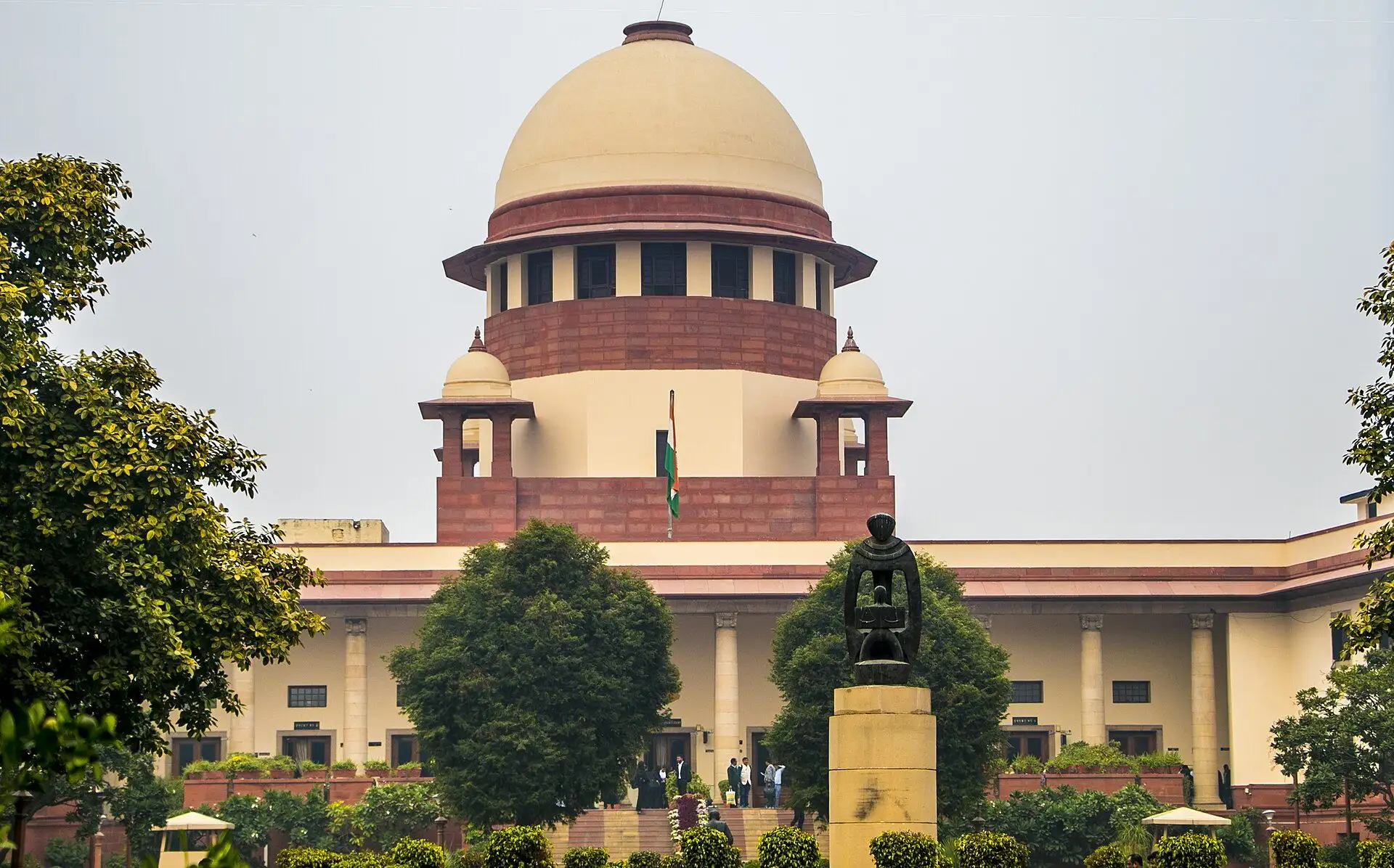
A Historical Perspective on Defeated Indian Constitutional Amendment Bills
Throughout India’s legislative history, numerous constitutional amendment bills have failed to pass due to an inability to secure the necessary parliamentary support.

- Constitutional amendment bills in India often fail due to lack of the required special majority in one or both houses of Parliament.
- Key failed bills include those regarding land reform, local self-government, the Lokpal, and most recently, women's reservation.
- Historical accounts of these failures are compiled through the work of constitutional experts and official parliamentary records.

The history of India's legislative process includes several instances where constitutional amendment bills have been defeated, withdrawn, or have lapsed, primarily due to a government's inability to garner the required parliamentary majorities. These legislative hurdles are highlighted in accounts based on work by former Lok Sabha secretary general and constitutional expert P D T Achary, alongside official documentation. These failures demonstrate the rigorous threshold required to alter the Constitution, which often demands more than a simple majority.
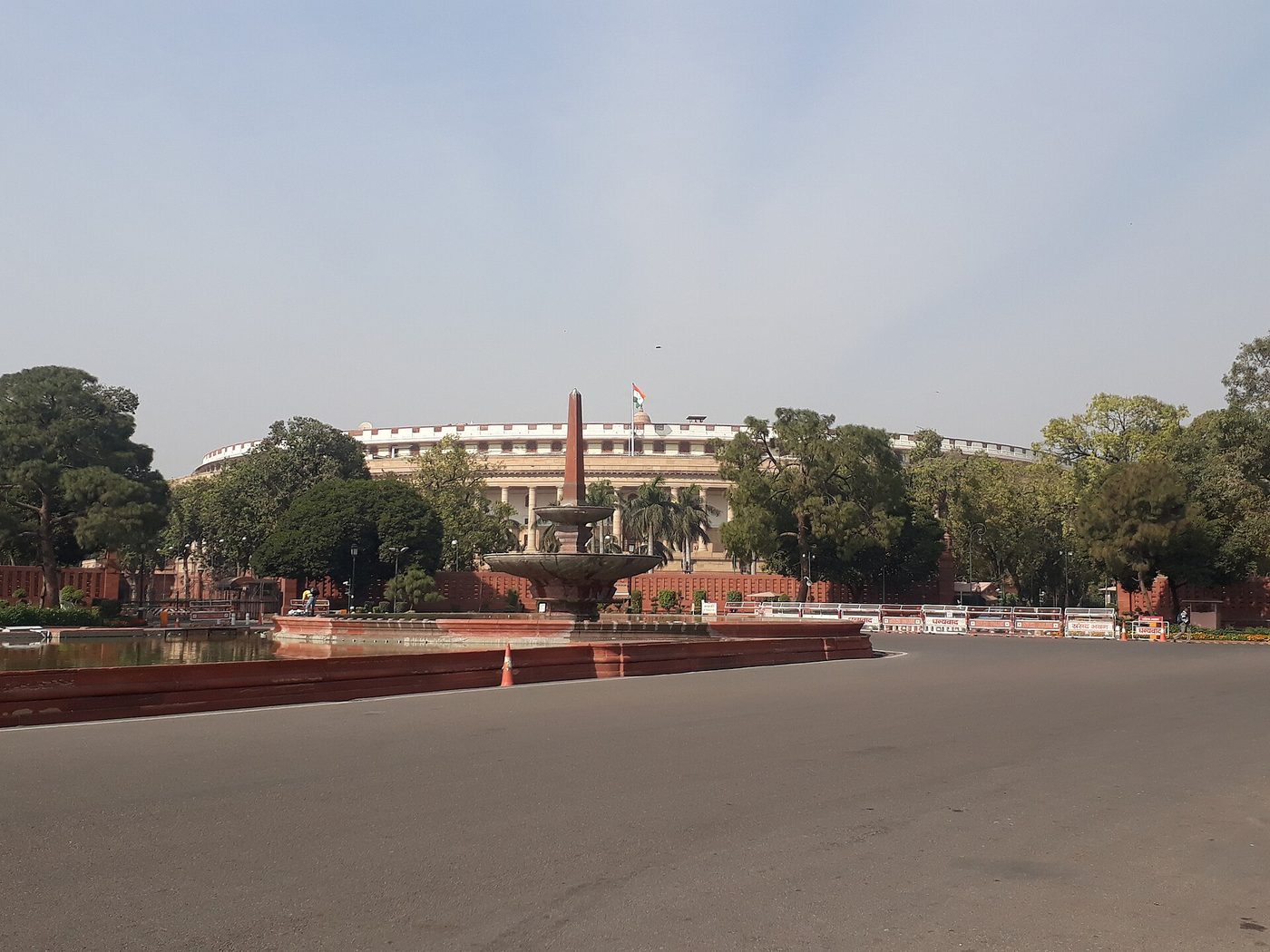
Early Legislative Challenges
In the mid-20th century, several attempts to amend the Constitution faced significant opposition. The Constitution (Seventh Amendment) Bill, 1955, sought to grant the President authority to set time limits for state legislatures regarding the formation or alteration of state boundaries. The Lok Sabha rejected the motion to send this bill to a Select Committee. In April 1964, the Constitution (Seventeenth Amendment) Bill, 1963—which intended to strengthen protections for land reform laws—failed to receive the necessary special majority in the Lok Sabha. Similarly, the Constitution (Nineteenth Amendment) Bill, 1966, was defeated on May 16, 1966, amid disputes over Parliament's authority regarding state reorganization.
Mid-Century Developments and Institutional Reforms
The 1970s and 1980s saw further legislative setbacks. The Constitution (Twenty-fourth Amendment) Bill, 1970, which aimed to remove the privy purses and special privileges of former princely state rulers, passed in the Lok Sabha but was blocked in the Rajya Sabha in September 1970. By the late 1970s, the Constitution (Forty-sixth Amendment) Bill, 1978, which proposed constitutional status for the Commissions for Scheduled Castes, Scheduled Tribes, and Minorities, failed in the Lok Sabha in May 1979. In August 1984, the Constitution (Forty-seventh Amendment) Bill, 1982, failed to secure a special majority in the Lok Sabha, which would have established constitutional safeguards for Scheduled Tribes in northeastern states through seat reservations.
Local Governance and Punjab President's Rule
Significant efforts to reform local government in 1989 also faced defeat. The Constitution (Sixty-fourth Amendment) Bill, introduced by Prime Minister Rajiv Gandhi to grant constitutional status to Panchayati Raj institutions, failed in the Rajya Sabha in October 1989. The Constitution (Sixty-fifth Amendment) Bill, aimed at providing constitutional recognition to urban local bodies, met a similar fate, passing in the Lok Sabha but failing to clear the Rajya Sabha. Furthermore, two 1990 bills seeking to extend the duration of President’s Rule in Punjab failed to gain the necessary support in the Lok Sabha, as motions for their consideration were not carried under parliamentary rules.
Contemporary Legislative Failures
Entering the 21st century, the Constitution (One Hundred and Sixteenth Amendment) Bill, 2011, intended to establish the Lokpal and Lokayuktas as independent anti-corruption institutions with statutory constitutional backing. However, the bill was defeated in the Lok Sabha in December 2011 due to a lack of a special majority. Most recently, the Constitution (One Hundred Thirty First Amendment) Bill, 2026, was introduced in April to implement 33 percent women's reservation, conduct delimitation based on the latest census, and expand the Lok Sabha's total capacity from 543 to 850 seats. This legislation was ultimately defeated because the government failed to secure sufficient support.
- Amending the Indian Constitution requires significant parliamentary consensus, often a special majority.
- Several major reform efforts, including those related to the Lokpal and Panchayati Raj, have stalled due to voting deficits.
- The 2026 attempt to introduce 33% women's reservation was defeated in the Lok Sabha due to lack of numbers.
Spotted an error? · Our editorial policy
UP NEXTKevin Pietersen Makes Guest Appearance in Promotional Video for Panchayat Season 5Swipe more stories · IndiaQuick cards, a few lines each. Tap to open.More from India

Bisleri Challenges FSSAI Findings After Independent Labs Clear West Bengal Water Batch

Passenger Discovers Rusty Metal Bolt Inside Vada on Bengaluru-Belagavi Vande Bharat Express

Locals Protest ASI Move to Shift Ancient Idols from Jageshwar Museum to Delhi