Bisleri Challenges FSSAI Findings After Independent Labs Clear West Bengal Water Batch
Bisleri says two accredited laboratories found its recalled West Bengal batch compliant with safety standards, contradicting regulatory tests that detected coliform bacteria.

- Bisleri disputes FSSAI's coliform finding on batch PB201 from its Telipara, West Bengal plant
- Two independent FSSAI-recognised labs found the same batch compliant with all safety standards
- FSSAI prohibited sale of the batch on August 12, 2026 after primary and referral labs detected coliform
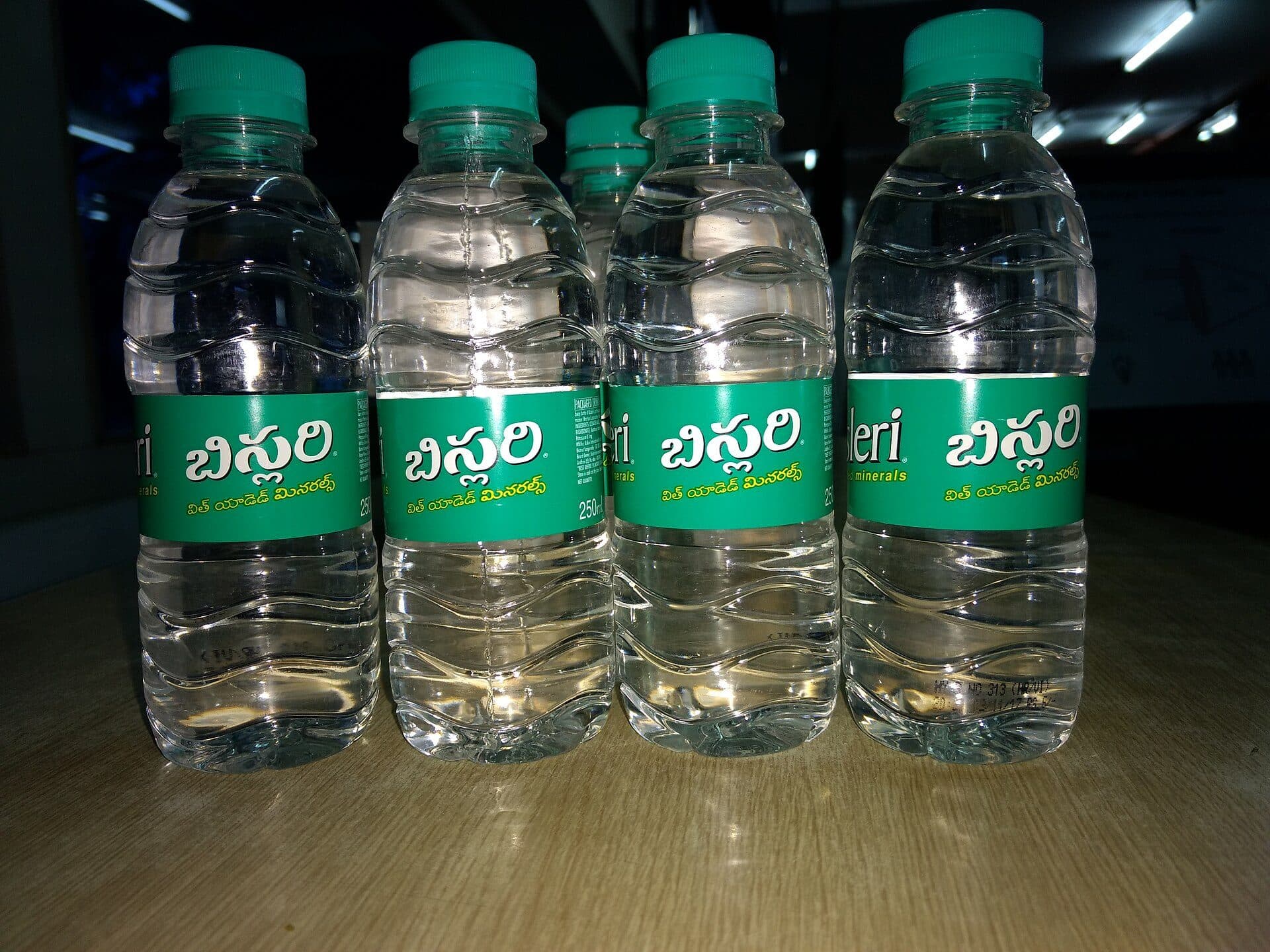
Packaged drinking water major Bisleri International has formally disputed a Food Safety and Standards Authority of India (FSSAI) order that prohibited the sale of a specific production batch from its West Bengal facility, citing contradictory results from two independent laboratories it commissioned. The company said on Saturday that both accredited facilities found the batch met all applicable safety standards, including for coliform bacteria, directly opposing the regulatory findings that triggered a recall in August.
Regulatory action and recall
The dispute centres on batch PB201, manufactured at Bisleri's plant in Telipara, located in the Jalpaiguri district of West Bengal. According to regulatory notices dated August 12, 2026, FSSAI informed the company that a sample from this batch was non-conforming and unsafe due to the presence of coliform bacteria. Both the primary laboratory and the referral laboratory engaged in the official testing process reported the detection of coliforms, which are used as indicators of possible contamination or inadequate sanitation in water products. Following these results, the regulator prohibited the sale of the batch and directed its recall.
A government official confirmed that the sample underwent confirmatory testing and was again found unsafe. Bisleri stated it complied with the recall direction at the time. The company has not claimed that the regulatory findings have been withdrawn, but maintains that the divergence between official and independent results warrants a formal review.
Independent laboratory results
In its Saturday statement, Bisleri said it separately commissioned testing of samples from the same batch at two different FSSAI-recognised laboratories. The first independent laboratory reported that the sample met the applicable standard for coliform bacteria and all other prescribed food safety requirements. The second independent laboratory, also accredited by the regulator, similarly concluded that the sample complied with the coliform standard.
The company emphasised that the discrepancy between the regulatory outcome and the independent findings raises questions about the sampling process, testing methodology, laboratory procedures, or other factors that may have contributed to the variation. Bisleri has called on FSSAI to examine each of these elements and to assess the matter against the same standards applied across the industry.
Company seeks formal review
Bisleri said it expects the regulator to conduct a thorough review of the conflicting data and pledged to continue cooperating fully with FSSAI to establish the facts. The firm, controlled by the Chauhan family, framed the request as necessary to ensure consistency in how safety standards are enforced across the packaged drinking water sector.
Separate Goa case involves chemical contaminants
The West Bengal episode follows another regulatory action against Bisleri involving a sample collected from its manufacturing facility in Goa. In that case, FSSAI found the sample non-compliant with prescribed bromate limits and declared it unsafe under the Food Safety and Standards Act, 2006. After the company appealed, the sample was sent to a referral laboratory, which also classified it as unsafe after detecting polynuclear aromatic hydrocarbons (PAHs). The regulator has sanctioned prosecution proceedings in the Goa matter, which could result in penalties including fines and imprisonment depending on the outcome.
The two cases involve distinct findings: the West Bengal sample was flagged for microbiological contamination, while the Goa sample raised concerns over chemical contamination. Both have drawn heightened attention to the company's quality control across multiple production sites.
Regulator intensifies sector-wide surveillance
The developments coincide with a broader enforcement push by FSSAI across the packaged drinking water industry. On November 26, the authority directed state food commissioners and regional directors to strengthen oversight, intensify surveillance, and conduct regular inspections and risk-based sampling of packaged drinking water and mineral water manufacturers. The regulator instructed states to initiate appropriate action in cases of non-compliance.
FSSAI chief executive Rajit Punhani said the authority is currently collecting samples from across the country, with laboratory testing expected to be completed within one to two months. He emphasised that enforcement actions are aimed at ensuring compliance with food safety standards and are not intended to create panic among consumers. The expanded checks are expected to cover major operators in the sector, including PepsiCo, Tata Consumer Products, Coca-Cola, and Reliance Consumer Products.
Market context
India's packaged drinking water market is valued at approximately $3.5 billion and has grown as consumers increasingly rely on bottled water amid concerns about the quality of municipal drinking water supplies. Bisleri remains one of the country's leading brands in the segment, competing with both domestic and multinational players. The concurrent regulatory actions and the company's challenge to official findings underscore the rising scrutiny facing the industry as the central food safety authority tightens its enforcement framework.
- Conflicting lab results have created a dispute over a specific Bisleri batch from West Bengal
- The regulator is pursuing prosecution in a separate Goa case involving chemical contaminants
- FSSAI has launched a nationwide surveillance drive covering major packaged water brands
- Packaged drinking water major Bisleri International has formally disputed a Food Safety and Standards Authority of India (FSSAI) order that prohibited the sale of a specific production batch from its West Bengal facility, citing contradictory results from two independent laboratories it commissioned.
Spotted an error? · Our editorial policy
UP NEXTKevin Pietersen Makes Guest Appearance in Promotional Video for Panchayat Season 5Other angles · #Bisleri
Timeline →More from India

A Historical Perspective on Defeated Indian Constitutional Amendment Bills
Passenger Discovers Rusty Metal Bolt Inside Vada on Bengaluru-Belagavi Vande Bharat Express

Locals Protest ASI Move to Shift Ancient Idols from Jageshwar Museum to Delhi