Chinnakanal Resident Views Elephant as Guardian Amid Failed Capture Bid
A 65-year-old woman in Kerala’s Idukki district says a wild elephant named Chakkakomban protects her home, even as forest officials abandoned an attempt to fit the animal with a radio collar.

- Mariyamma, 65, lives alone in Chinnakanal and believes elephant Chakkakomban deters thieves.
- Chakkakomban is named for its fondness for jackfruit and regularly passes her home via the Military House route.
- Forest department attempted to capture and radio-collar Chakkakomban and Murivali on November 25 but halted due to weather.
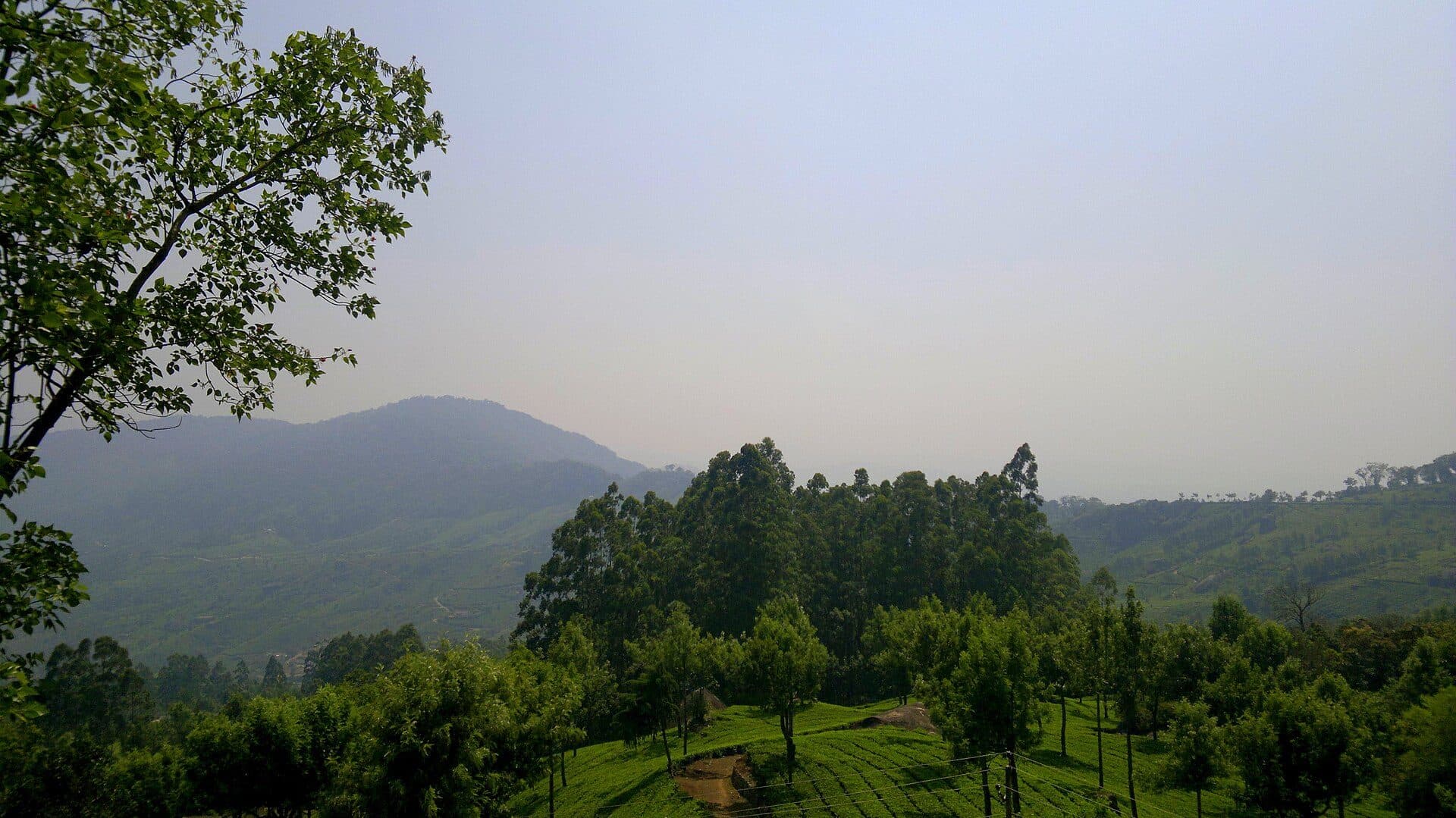
In the hill district of Idukki, 65-year-old Mariyamma has lived alone in her small house at B L Ram for more than five decades, and she insists the wild elephant that regularly wanders past her doorstep is a protector rather than a threat. Her stance contrasts with the fear many neighbors feel toward the animal, which has become central to a heated debate over human-elephant conflict in the region.
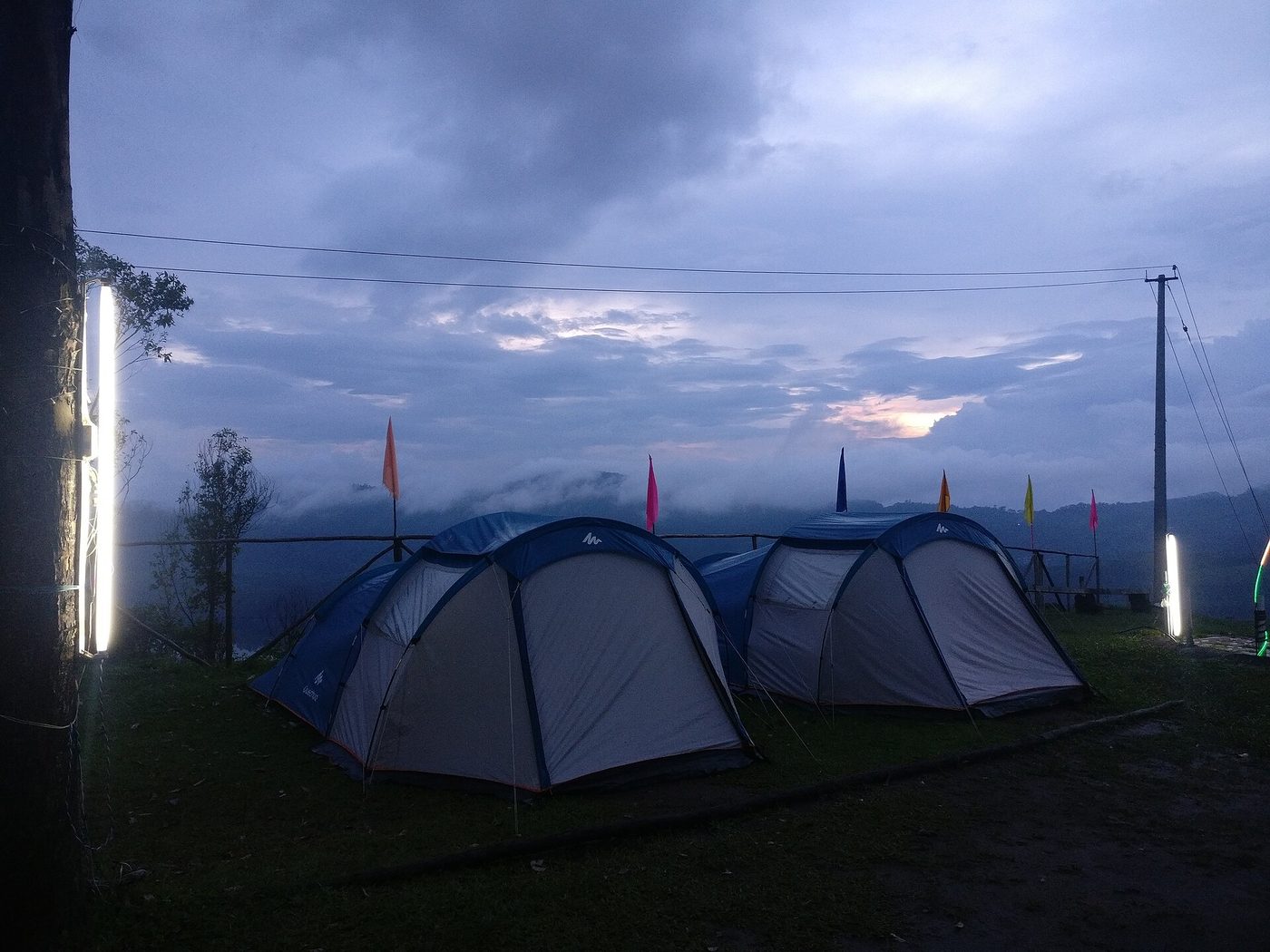
A Woman's Unusual Bond with Chakkakomban
Mariyamma, who moved to Chinnakanal from Tamil Nadu as a child, says the elephant known as Chakkakomban passes behind her home and through a nearby plot locals call the Military House route, a name tied to her late husband Subedar Rajan's army service. She switches on lights, closes the door and sleeps when the animal approaches, waking to see its path in the morning. The elephant earned its name from a fondness for jackfruit, which often draws it into human settlements. Mariyamma's two married granddaughters visit weekly, but she says the memories of traveling across India with her army husband give her the courage to stay without fear.
Failed Radio-Collar Operation
The Kerala Forest Department launched a day-long operation on Wednesday to capture Chakkakomban and another elephant, Murivali, and fit them with radio collars for movement monitoring. A 140-member team including veterinary doctors and Rapid Response personnel was deployed, but heavy rain and thick fog forced officials to call off the effort without success. The department has been trying to manage the elephants amid ongoing debate over human-elephant conflict in the region.
Environmental Groups Demand Halt and Independent Study
The Co-Existence Collective, a coalition of environmental organisations, has submitted an urgent petition to the Union Ministry of Environment, Forest and Climate Change seeking an immediate stop to the capture plans. The group calls for independent scientific, ecological and veterinary assessments before any relocation attempt, along with restoration of elephant corridors and water sources in Chinnakanal. It also demands an inquiry into human deaths and the use of firecrackers and explosives to drive elephants away, and suggests mitigation measures such as trenches and early warning systems.
Longstanding Conflict in Chinnakanal
Chakkakomban has become a focal point in the broader struggle over human-elephant coexistence in the area. While many residents fear the animal, Mariyamma's perspective highlights the complex relationships that can develop. The forest department's repeated capture attempts and environmentalists' legal challenges reflect the difficulty of balancing safety, conservation and the rights of both people and wildlife in the landscape.
- Human-elephant conflict in Chinnakanal involves both fear and unusual coexistence.
- Capture operations face environmental opposition and logistical challenges.
- Local residents' perspectives vary widely on the presence of wild elephants.
- In the hill district of Idukki, 65-year-old Mariyamma has lived alone in her small house at B L Ram for more than five decades, and she insists the wild elephant that regularly wanders past her doorstep is a protector rather than a threat.
Spotted an error? · Our editorial policy
UP NEXTBelarus President Challenges Kremlin’s Historical Justification for Ukraine ConflictOther angles · #Chakkakomban
Timeline →More from Environment

Temperature to Dip as Jharkhand Prepares for Winter Chill and Morning Fog
National Green Tribunal Flags Organic Pollution at Ashwani Khad in Shimla
New Study Finds Residential Cooking Is Top PM2.5 Source in Indo-Gangetic Plain