Tata Trusts Moves Mumbai High Court to Challenge N. Chandrasekaran Reappointment
Two charitable trusts controlling Tata Sons have approached the Mumbai High Court to declare Chairman N. Chandrasekaran’s reappointment invalid, igniting a fresh governance dispute over board authority and a planned public listing.

- Tata Trusts holds a 66% stake in Tata Sons and challenged Chairman N. Chandrasekaran's reappointment in the Mumbai High Court.
- The dispute centers on interpreting internal articles of association and whether trust nominees backed the decision.
- A regulatory freeze on the Sir Ratan Tata Trust prevents the charity arm from convening a shareholder meeting independently.
The leadership structure of Tata Sons has entered a legal battle following a decision by the conglomerate's board to reappoint Chairman N. Chandrasekaran despite opposition from its controlling charity arm. Tata Trusts holds a 66 percent equity stake in Tata Sons, the parent entity owning major global brands such as Jaguar Land Rover and Tetley Tea. This confrontation marks the second major internal power struggle for the corporate house in a decade, following a lengthy legal dispute over the removal of former chairman Cyrus Mistry that culminated in a Supreme Court ruling supporting the conglomerate's decision.
Legal Challenge Filed in the Mumbai High Court
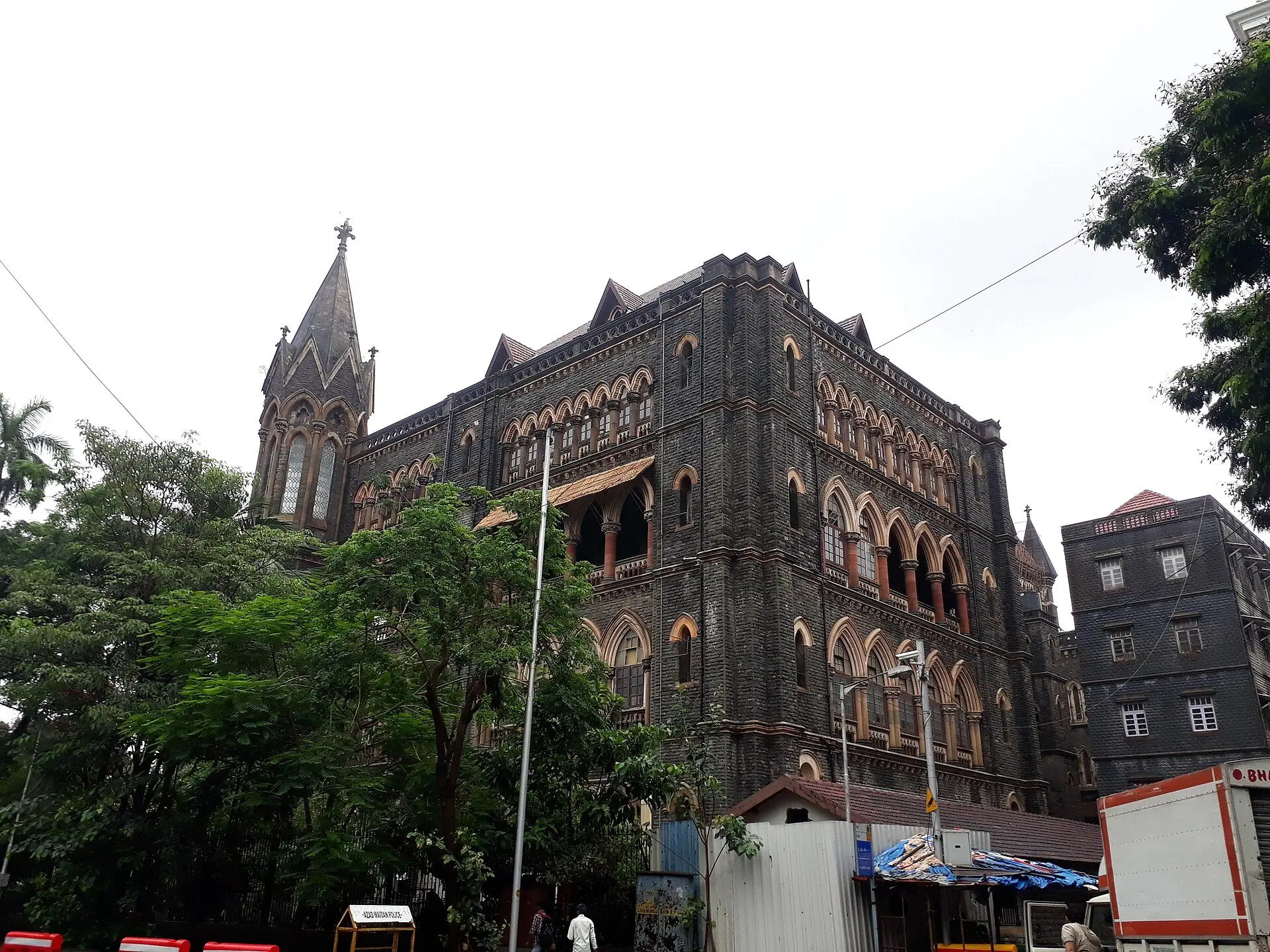
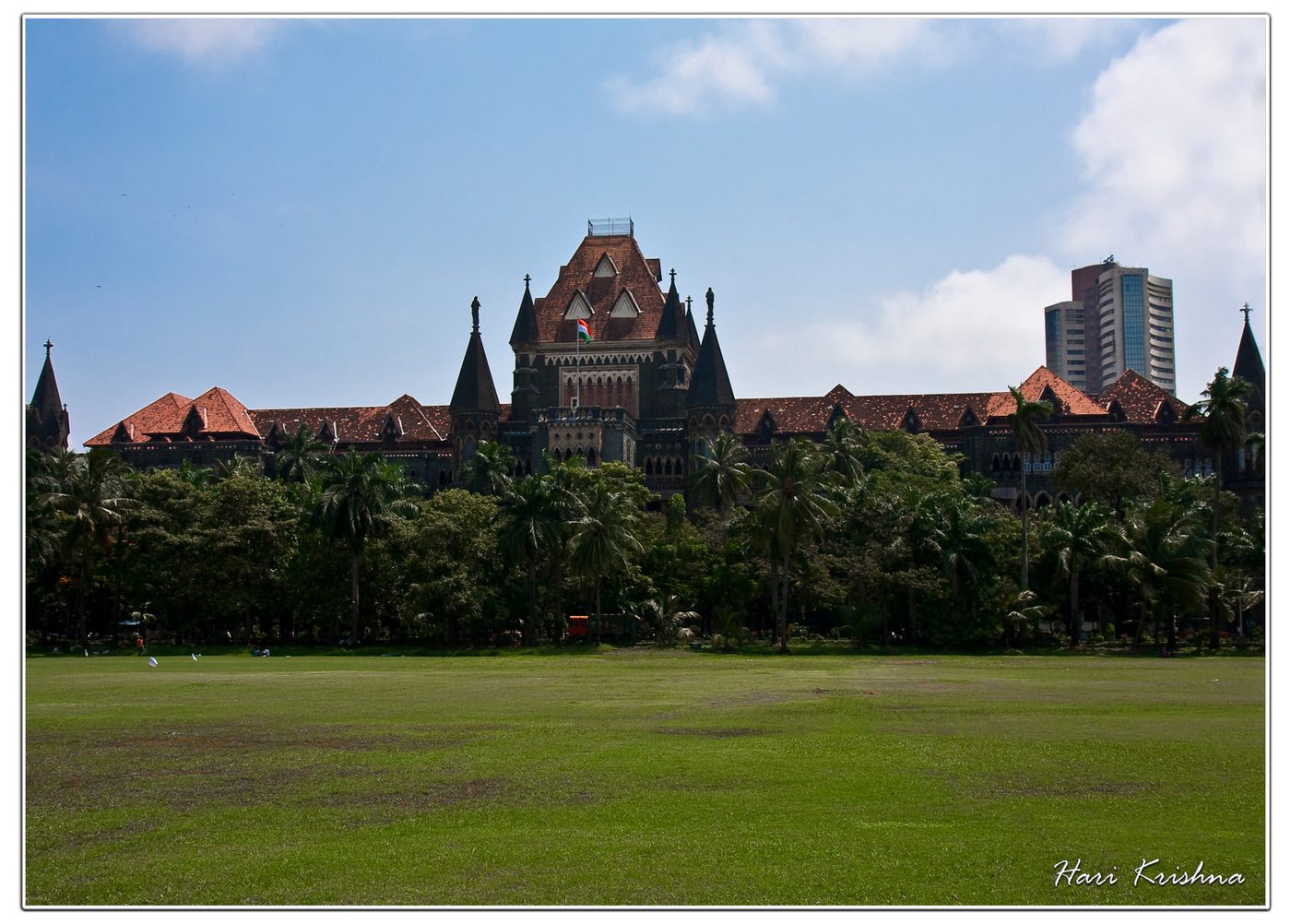
Two of the seven charitable trusts that control Tata Sons filed a petition at the Mumbai High Court seeking to invalidate the reappointment of Chandrasekaran, describing the board's action as illegal, null, and void. According to internal documents, the complaining trusts argue that the board should not have moved forward with the appointment because both designated trust nominees did not support it. Furthermore, the petition asks the court to mandate that all principal decisions by Tata Sons secure complete backing from the charity division. At an upcoming court hearing, the trusts planned to request an injunction halting a November 30 board meeting scheduled to advance stock market listing preparations, which would proceed unless Noel Tata, heading the charity arm and serving as a trust nominee, registers a favorable vote.
Disagreement Over Articles of Association and Board Authority
The core of the judicial conflict involves conflicting interpretations of Tata Sons internal governance guidelines known as the articles of association, which are not publicly available. The charity arm contends that Noel Tata's opposition should have blocked the reappointment under a requirement for a majority of the two board nominees, arguing that a majority among two individuals requires two votes rather than one. Conversely, legal representation for Tata Sons maintains that the two nominees voted differently, allowing a casting vote to secure the chairman's reappointment in adherence to internal regulations.
Arguments from Legal Representatives and Regulatory Hurdles
Both factions have secured prominent legal counsel to argue their interpretations of corporate control. Lawmaker and Congress party leader Abhishek Manu Singhvi represents Tata Trusts, asserting that the dispute centers on shareholder supremacy and arguing that the conglomerate cannot operate independently of its controlling shareholder as a runaway board. In response, Tata Group's leadership retained Harish Salve, a former solicitor general of India, who stated in television appearances that the board acted in accordance with internal governing rules and urged the charity arm to move past a mindset of total control.
Constraints on Calling a Shareholder Meeting
Although the charities possess significant voting strength, internal structural limitations and regulatory actions currently prevent them from convening a meeting of Tata Sons shareholders to oust the chairman. A regulatory body has prohibited one of the primary constituent entities, the Sir Ratan Tata Trust, from holding its own meetings amid a dispute concerning internal appointments. Consequently, the charities lack the authority under internal rules to trigger a shareholder meeting independently. Individuals familiar with the situation indicate the trusts must wait for the regulatory inquiry to conclude or petition a court to lift the restrictions.
Differing Stances on Stock Market Listing
A further point of contention involves plans for an initial public offering or stock market listing of Tata Sons. While the board of Tata Sons supports pursuing a public listing to comply with directives issued by the central bank, the charity arm opposes the move, adding financial and regulatory urgency to the ongoing leadership standoff.
- Two charitable trusts filed a court challenge to declare Chandrasekaran's reappointment invalid.
- Senior advocates Abhishek Manu Singhvi and Harish Salve are representing the opposing sides.
- Regulatory curbs prevent the trusts from calling an immediate shareholder meeting to oust the chairman.
- The leadership structure of Tata Sons has entered a legal battle following a decision by the conglomerate's board to reappoint Chairman N.
Spotted an error? · Our editorial policy
UP NEXTGovernment Plans Three Legislative Measures for Women’s Quota and House Seat ExpansionSwipe more stories · BusinessQuick cards, a few lines each. Tap to open.More from Business
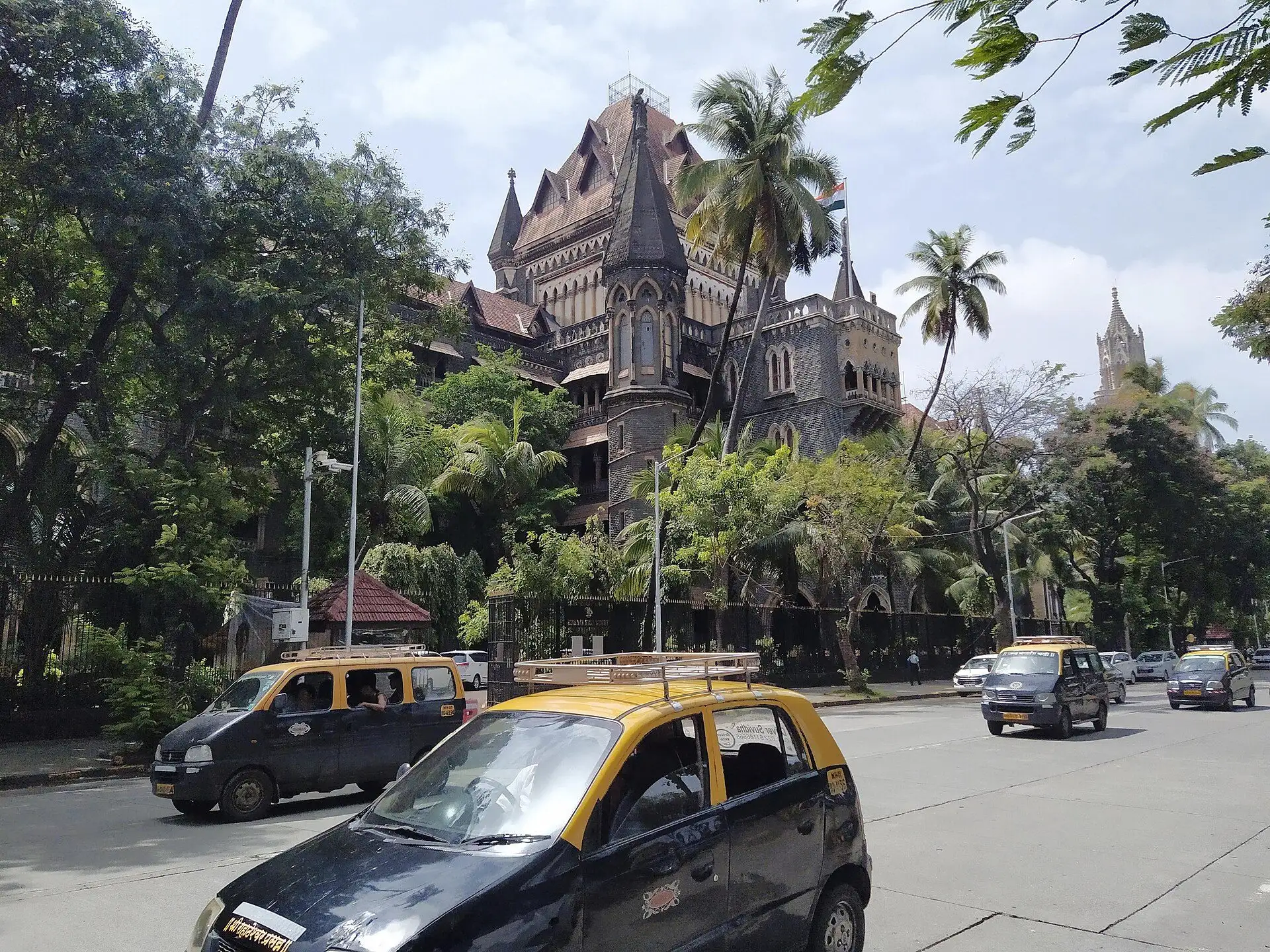
Bombay High Court Permits Tata Sons Board Meeting While Denying Interim Relief to Tata Trusts
RBI Introduces Amended KYC Norms and SOP for Payment Banks to Combat Financial Frauds
Reserve Bank of India Issues Consolidated Regulatory Frameworks for Card Payments and ATM Cash Withdrawals