Reserve Bank of India Issues Consolidated Regulatory Frameworks for Card Payments and ATM Cash Withdrawals
The Reserve Bank of India has consolidated multiple past circulars into two new regulatory frameworks governing digital card transactions, ATM withdrawals, and customer protection guidelines.

- RBI consolidated previous circulars into two frameworks under the Payment and Settlement Systems Act, 2007.
- Contactless payments up to Rs 5,000 are exempt from additional authentication, and customers can choose PIN-based transactions for any amount.
- External ATM withdrawals are capped at Rs 10,000 per transaction, with fees up to Rs 23 beyond free monthly limits.
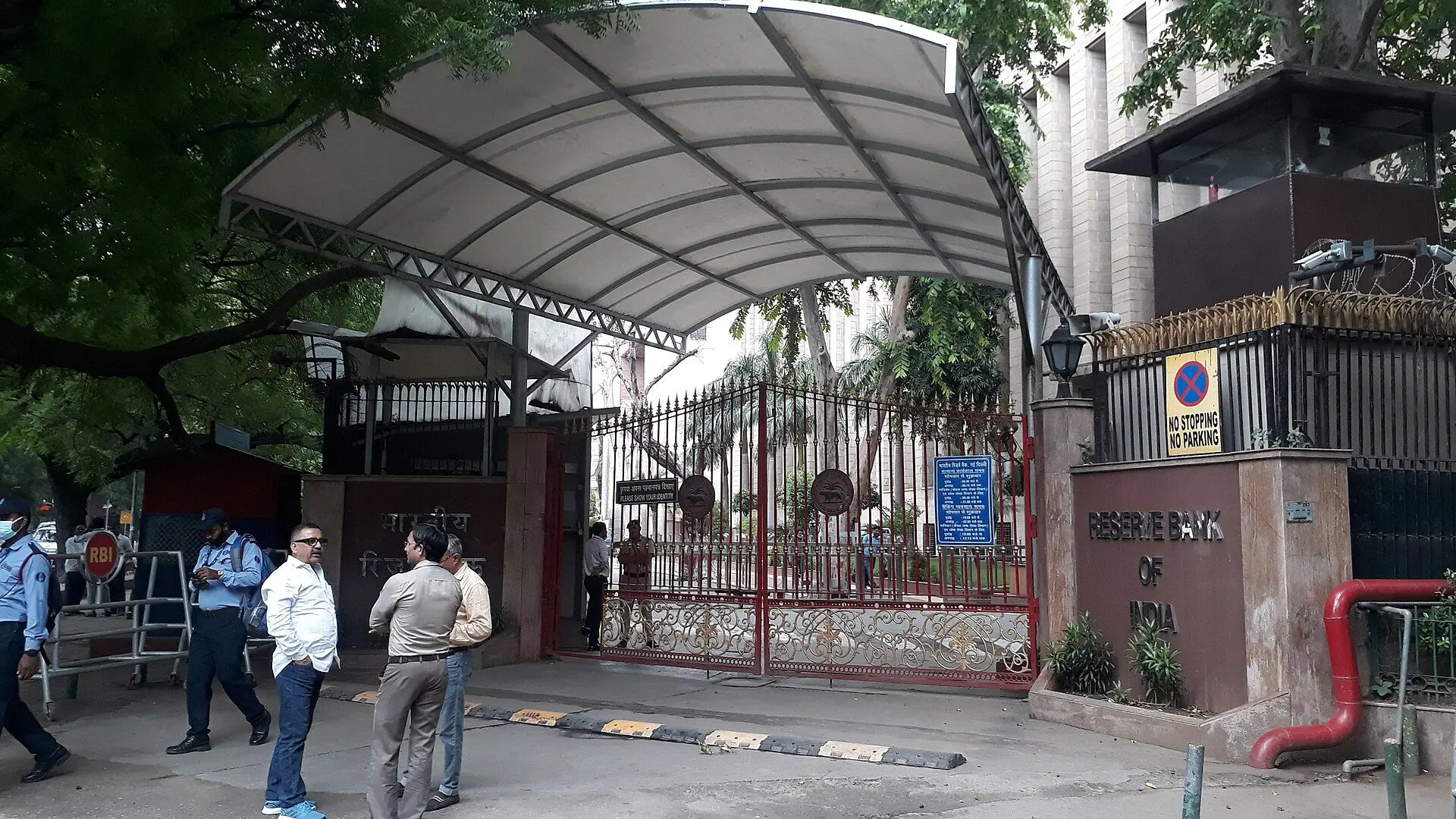
The Reserve Bank of India has streamlined its regulatory oversight by grouping previous notifications into two distinct frameworks covering card-based digital payments, automated teller machine withdrawals, transaction fees, security measures, and consumer safeguards. This consolidation exercise, executed under the provisions of the Payment and Settlement Systems Act of 2007, brings together dozens of historical directives into unified governance documents that take effect immediately.
Card Payment Rules and Authentication Limits
Under the newly established digital payments framework, contactless transactions valued up to Rs 5,000 per transaction do not require additional authentication steps. Transactions exceeding this threshold mandate additional verification, though account holders retain the option to execute PIN-based payments for any amount to bypass extra authentication processes. The central bank emphasized that consumers cannot be forced to use contactless payment methods. Additionally, card issuers are required to provide 24/7 access enabling users to activate or deactivate domestic, international, online, and contactless capabilities, as well as adjust transaction limits.
ATM Withdrawal Limits and Transaction Charges
The cash withdrawal framework preserves provisions for savings account holders, granting five free transactions monthly at their home bank terminals for both financial and non-financial activities. Users accessing external automated teller machines receive three free transactions per month in metropolitan areas and five in non-metro regions, capped at an overall limit of five free external uses. Cash withdrawals at other financial institutions are restricted to Rs 10,000 per transaction, and institutions may charge up to Rs 23 per transaction plus applicable taxes once the free allowances are exhausted. Financial institutions must implement warning mechanisms to alert consumers regarding utilized free limits and potential fees for subsequent uses, while failed operations resulting from technical glitches, empty cash bins, or incorrect PIN entries are excluded from fee calculations.
Merchant Outlets and Network Choice Guidelines
The updated directives also regulate cash withdrawals at designated merchant locations via debit cards, eligible prepaid payment instruments, and the Unified Payments Interface, enforcing a cap of Rs 2,000 per transaction and Rs 10,000 monthly with customer fees restricted to a maximum of 1 percent of the transaction value. Furthermore, card issuers must grant eligible users the freedom to select their preferred card networks and prohibit unauthorized entities from storing sensitive card credentials for card-not-present transactions.
- Two new regulatory frameworks took effect immediately to consolidate 42 earlier circulars.
- Savings account holders receive five free monthly transactions at home ATMs and three to five free external ATM transactions.
- Merchant cash withdrawals are capped at Rs 2,000 per transaction and Rs 10,000 per month.
Spotted an error? · Our editorial policy
UP NEXTBelarus President Challenges Kremlin’s Historical Justification for Ukraine ConflictSwipe more stories · BusinessQuick cards, a few lines each. Tap to open.More from Business

FSSAI Sanctions Prosecution Against Bisleri Over Water Quality Violations

Bombay High Court Permits Tata Sons Board Meeting While Denying Interim Relief to Tata Trusts
RBI Introduces Amended KYC Norms and SOP for Payment Banks to Combat Financial Frauds