RBI Introduces Amended KYC Norms and SOP for Payment Banks to Combat Financial Frauds
The Reserve Bank of India has issued amended Know Your Customer directions and a uniform Standard Operating Procedure for payment banks to target money mule accounts and financial frauds, taking effect by July 1, 2027.

- RBI issued amended KYC directions for payment banks with a uniform SOP starting July 1, 2027, or earlier.
- Banks can apply debit holds on suspicious accounts with higher-level approval and must notify customers promptly.
- Customers have seven days to respond, and banks must decide within seven days of receiving an explanation.
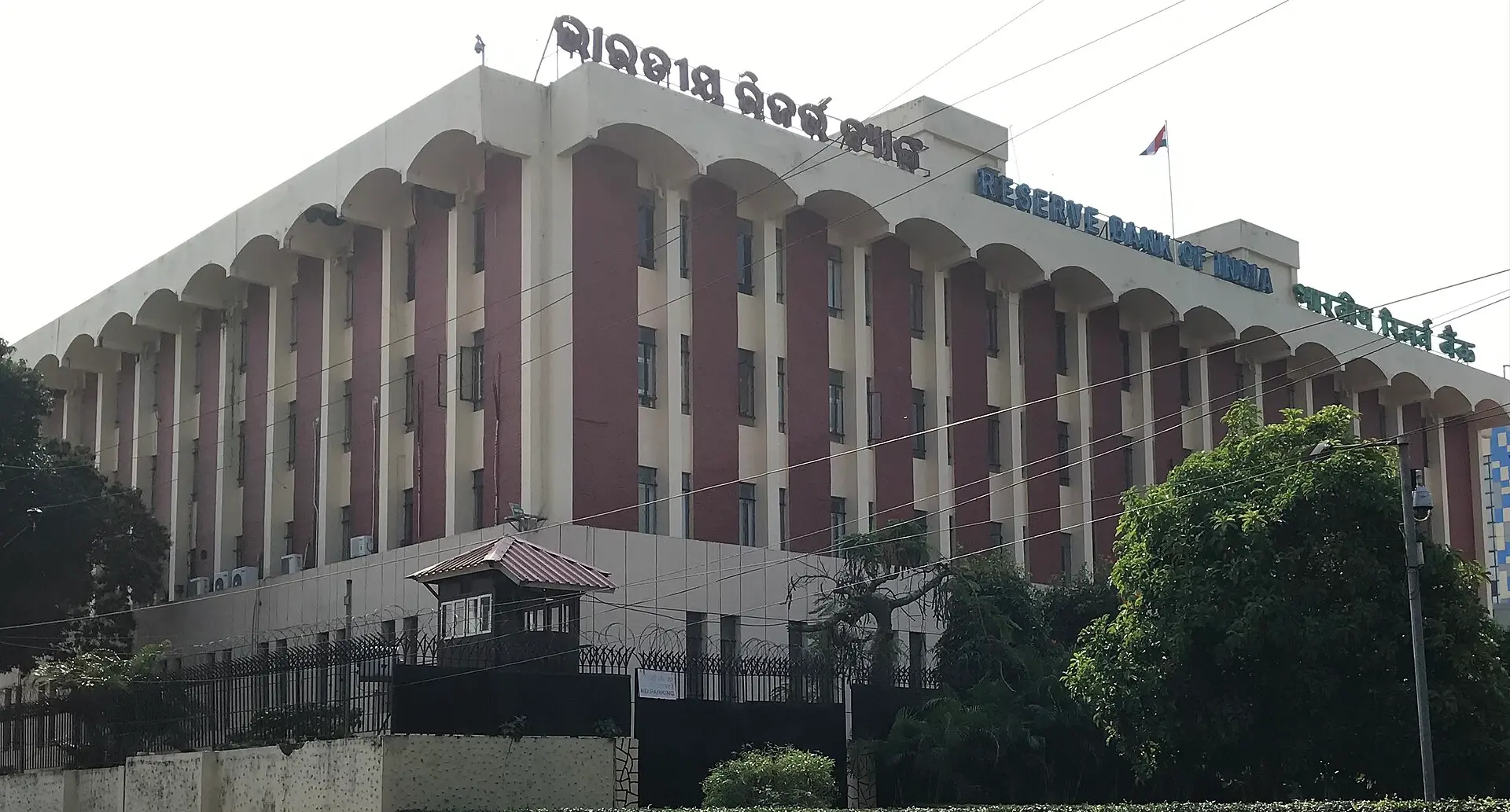
The Reserve Bank of India announced amended Know Your Customer directions aimed at payment banks, establishing a uniform and time-bound Standard Operating Procedure. The central bank specified that these revised regulatory measures are designed to detect and restrict suspicious accounts and transactions tied to terrorist financing, cyber-enabled financial frauds, and money mule activities. According to the announcement, the new framework is scheduled to take effect formally on July 1, 2027, though individual banks retain the option to implement the Standard Operating Procedure at an earlier date if they choose.
Technological Deployment and Debit Hold Protocols
Under the amended framework, payment banks must integrate technological tools and other solutions capable of flagging highly suspicious accounts using objective parameters. The central bank mandated that institutions must ensure genuine accounts and transactions are not incorrectly flagged during this detection process. When an account or transaction amount is suspected of involving money mule operations, banks are permitted to apply a debit hold, provided the action receives approval at an appropriately higher level. The regulatory authority emphasized that institutions must avoid the mechanical application of holds at the account level.
Customer Notification and Review Timelines
Once a debit hold is established, the financial institution must notify the affected customer promptly via digital channels or by the close of the following working day through alternative methods. This notification must outline the specific reason for the restriction, the methodology for having it removed, and the contact information for the responsible officer. Account holders are granted a window of seven calendar days to submit an explanation alongside supporting documentation. The bank is then required to evaluate the received material and render a decision promptly, within a maximum of seven calendar days from receipt.
Resolution, Law Enforcement, and Record Keeping
Depending on the outcome of its evaluation, the bank will either lift the debit hold or maintain the restriction while notifying the appropriate jurisdictional police authority. If the institution receives no instruction to continue the hold from the competent authority within 30 calendar days of the police report, the restriction must be lifted on the 31st day, provided the bank is content with the enhanced due diligence conducted on the account. Additionally, payment banks are instructed to appoint designated nodal officers for grievance redressal, ensuring their contact details are clearly exhibited at all branch locations and official websites. Customer complaints must be acknowledged upon receipt and addressed within a 30-calendar-day period, while institutions are required to archive all records regarding debit holds, operational justifications, and communications with customers and law enforcement for a duration of five years.
- Amended KYC directions and SOP take effect July 1, 2027, or sooner by bank choice.
- Technological tools must identify suspicious transactions while protecting genuine accounts.
- Debit holds require higher-level approval and cannot be applied mechanically.
- Banks must keep complete records of holds and police correspondence for five years.
Spotted an error? · Our editorial policy
UP NEXTBelarus President Challenges Kremlin’s Historical Justification for Ukraine ConflictSwipe more stories · BusinessQuick cards, a few lines each. Tap to open.More from Business
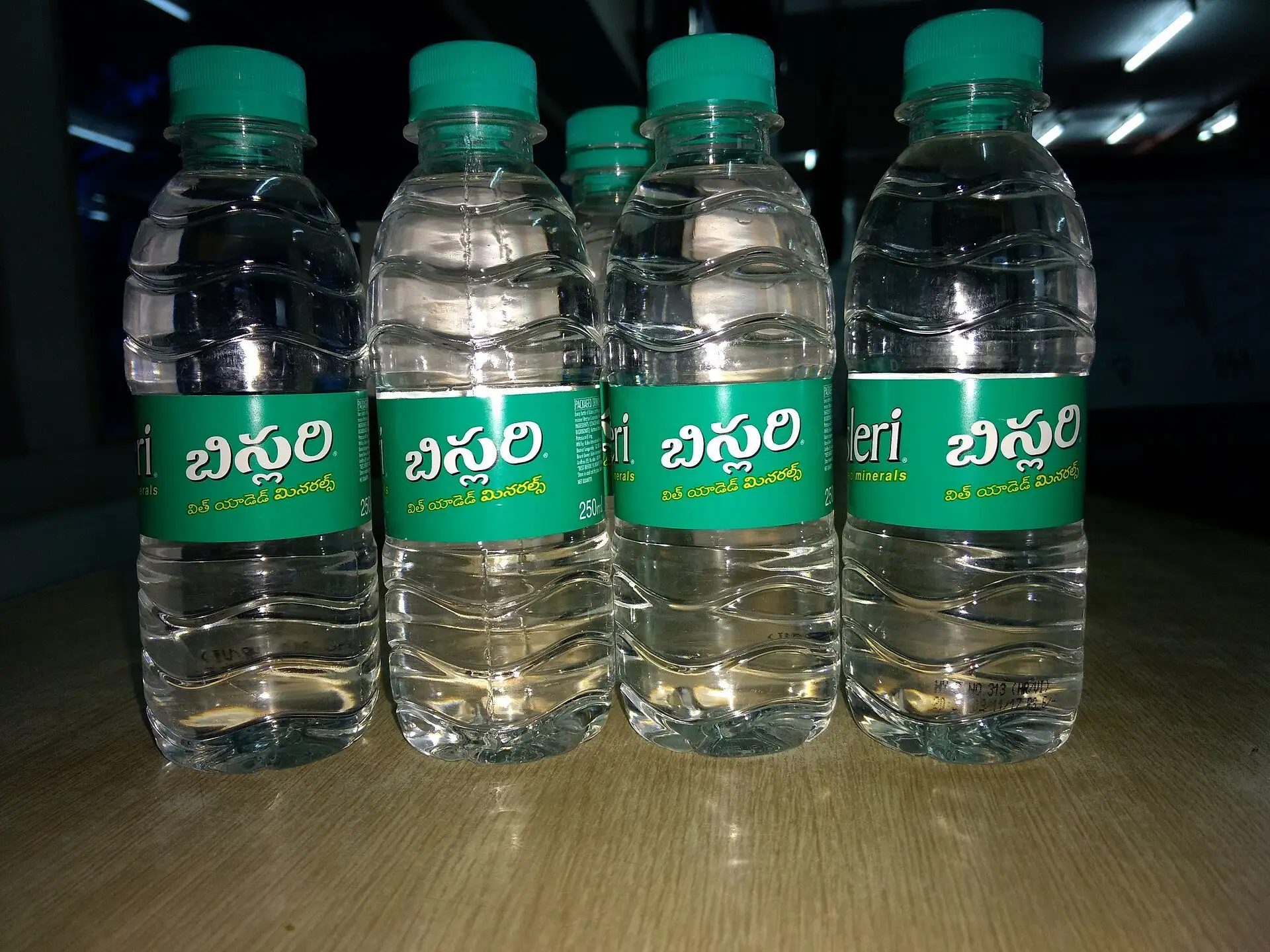
FSSAI Sanctions Prosecution Against Bisleri Over Water Quality Violations

Bombay High Court Permits Tata Sons Board Meeting While Denying Interim Relief to Tata Trusts
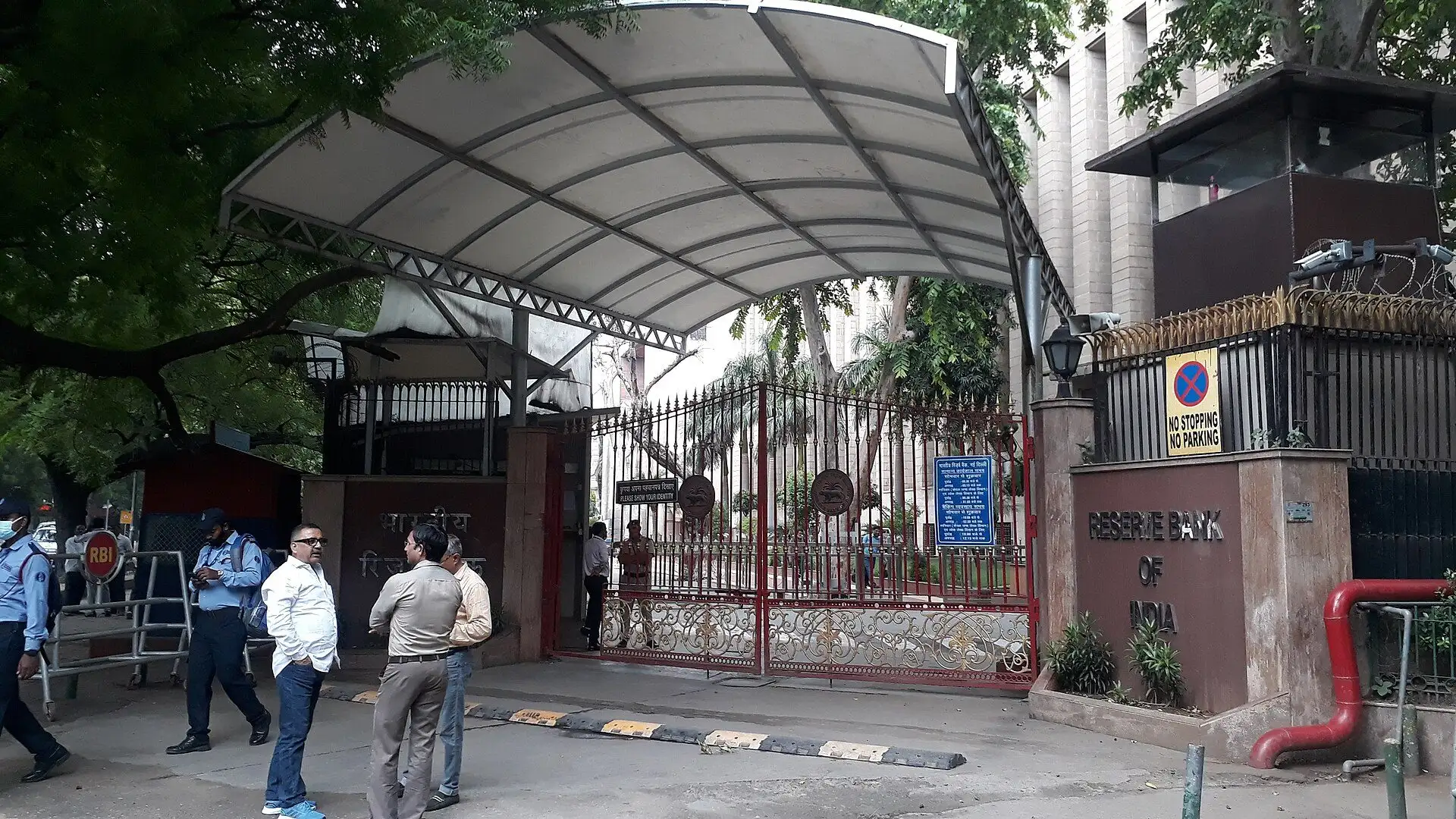
Reserve Bank of India Issues Consolidated Regulatory Frameworks for Card Payments and ATM Cash Withdrawals