India Refutes U.S. Claims of Structural Excess Manufacturing Capacity
The Indian government has formally rejected U.S. allegations of structural excess capacity in its manufacturing sector while maintaining commitment to ongoing bilateral trade negotiations.

- India denies structural overcapacity in any industrial sector in response to a USTR investigation.
- The USTR probe targets India's 'Make in India' and PLI schemes, suggesting they create output beyond market demand.
- India intends to resolve the trade dispute through ongoing negotiations for a Bilateral Trade Agreement.
The Indian Ministry of Commerce and Industry has officially responded to a recent determination by the United States Trade Representative (USTR) regarding manufacturing capacity across 14 economies. In a statement, the Indian government refuted claims of structural excess capacity in any of its industrial sectors, noting that the official notice is currently undergoing departmental examination.
The USTR’s investigation, which spanned eight months, suggests that India’s core industrial initiatives—specifically the Make in India, Atmanirbhar Bharat, and Production Linked Incentive (PLI) programs—encourage production levels that exceed market demand. According to the U.S. assessment, attempting to raise manufacturing’s contribution to India's GDP to 25% would necessitate approximately $500 billion in additional output. The USTR report classifies these policies as unreasonable burdens on American commerce, identifying sectors including steel, solar power, information and communications technology, and health products as areas of concern.
India's Response to Investigations
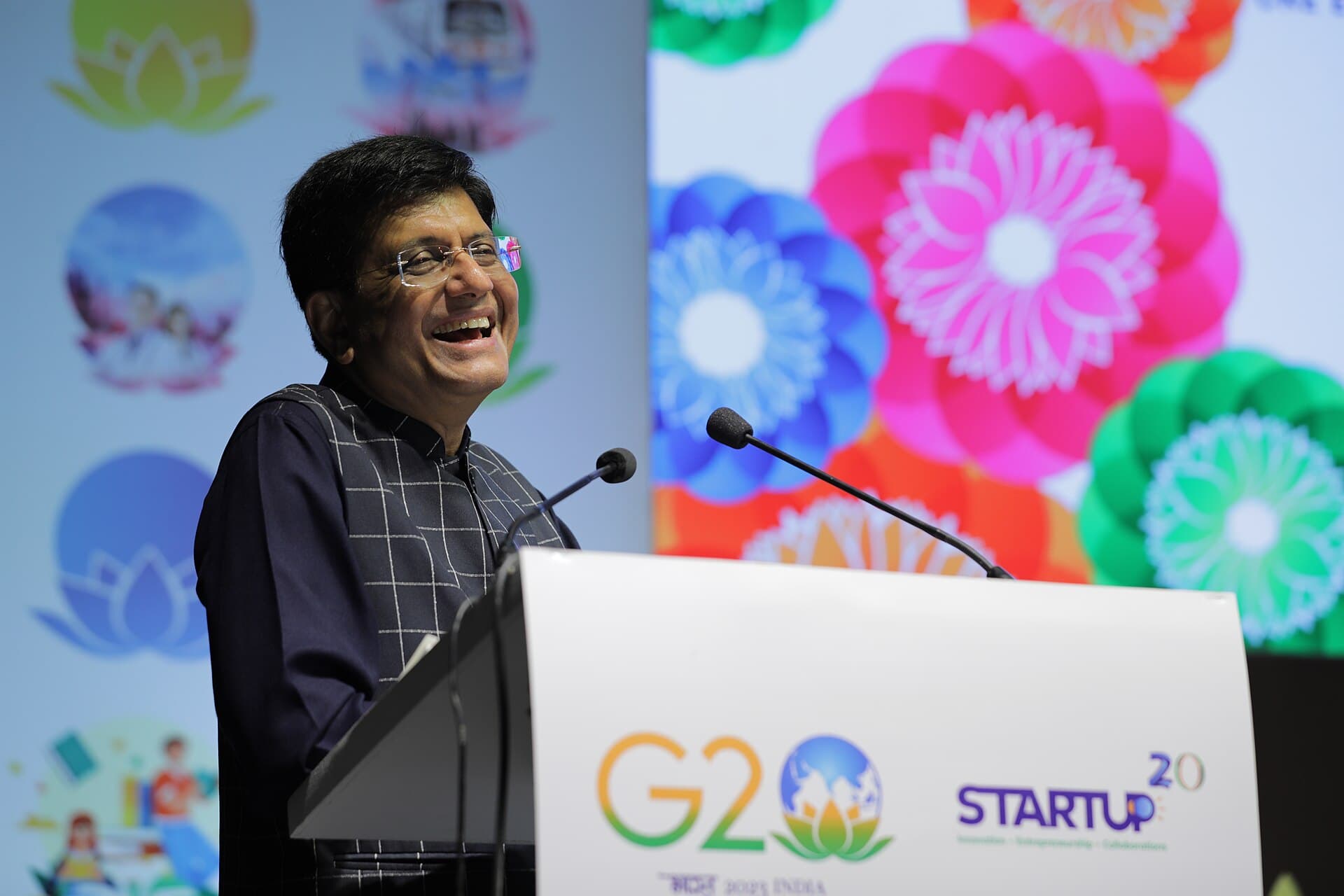
Throughout the investigative process, Indian officials maintained that domestic capacity expansion is intended to satisfy internal market requirements and decrease reliance on external sources for essential inputs. Government submissions emphasized that production fluctuations are dictated by market demand and order volumes rather than state directives. Union Minister of Commerce and Industry Piyush Goyal previously addressed these concerns during the G20 Trade Ministers' Meeting in Milwaukee, asserting that the country’s industrial growth does not stem from government-mandated excess.

As part of its findings, the USTR has proposed tariffs reaching up to 25% on specific Indian goods, though officials noted that this rate could be reduced to 17% contingent upon the signing of a trade agreement. The proposed measures exclude certain patented drugs, generic medicines in dosage form, and numerous pharmaceutical ingredients. Interested parties have until January 5, 2027, to submit written commentary, with public hearings regarding the tariff proposal slated to commence on January 25.
Status of Bilateral Trade Talks
Despite the current trade tensions, the Indian government has reaffirmed its intention to continue negotiations for a Bilateral Trade Agreement (BTA) with the United States. New Delhi continues to advocate for addressing trade-related disputes within the established framework of these discussions. The two nations previously announced a framework for an interim deal in February 2025, which included plans for an 18% reciprocal tariff. While that specific agreement faced delays due to legal challenges in the U.S. court system, Indian officials suggest the deal remains largely finalized and awaits the completion of the necessary U.S. tariff framework.
- The USTR report specifically criticizes India's 'Make in India' and PLI initiatives.
- Proposed U.S. tariffs on Indian goods range between 17% and 25%.
- India maintains that its manufacturing growth is market-driven, not government-directed.
Spotted an error? · Our editorial policy
UP NEXTGovernment Proposes New Delimitation Legislation to Implement Women’s ReservationOther angles · #India
Timeline →- NewsBangladesh Speaker Suggests Potential ICJ Action for Sheikh Hasina’s Extradition
- NewsDanish Foreign Minister Visits Bengaluru to Expand Tech and Defense Ties with India
- NewsUnnati Hooda and Tanvi Sharma Advance to Semifinals at Syed Modi International
- NewsBangladesh Minister Calls Deposed Leader a Thorn in Bilateral Ties With India
More from Business

Bombay High Court Permits Tata Sons Board Meeting While Denying Interim Relief to Tata Trusts
RBI Introduces Amended KYC Norms and SOP for Payment Banks to Combat Financial Frauds
Reserve Bank of India Issues Consolidated Regulatory Frameworks for Card Payments and ATM Cash Withdrawals