Myanmar Leadership Rejects Full Compliance with ICJ Genocide Ruling
Myanmar’s junta chief, Min Aung Hlaing, has announced that the administration will not adhere to all directives issued by the International Court of Justice regarding the treatment of the Rohingya minority.

- Min Aung Hlaing announced Myanmar will not fully comply with ICJ genocide orders.
- The ICJ ruled the 2017 military campaign against the Rohingya amounted to genocide.
- Myanmar maintains the 2016-2018 security operations were counter-terrorism efforts.
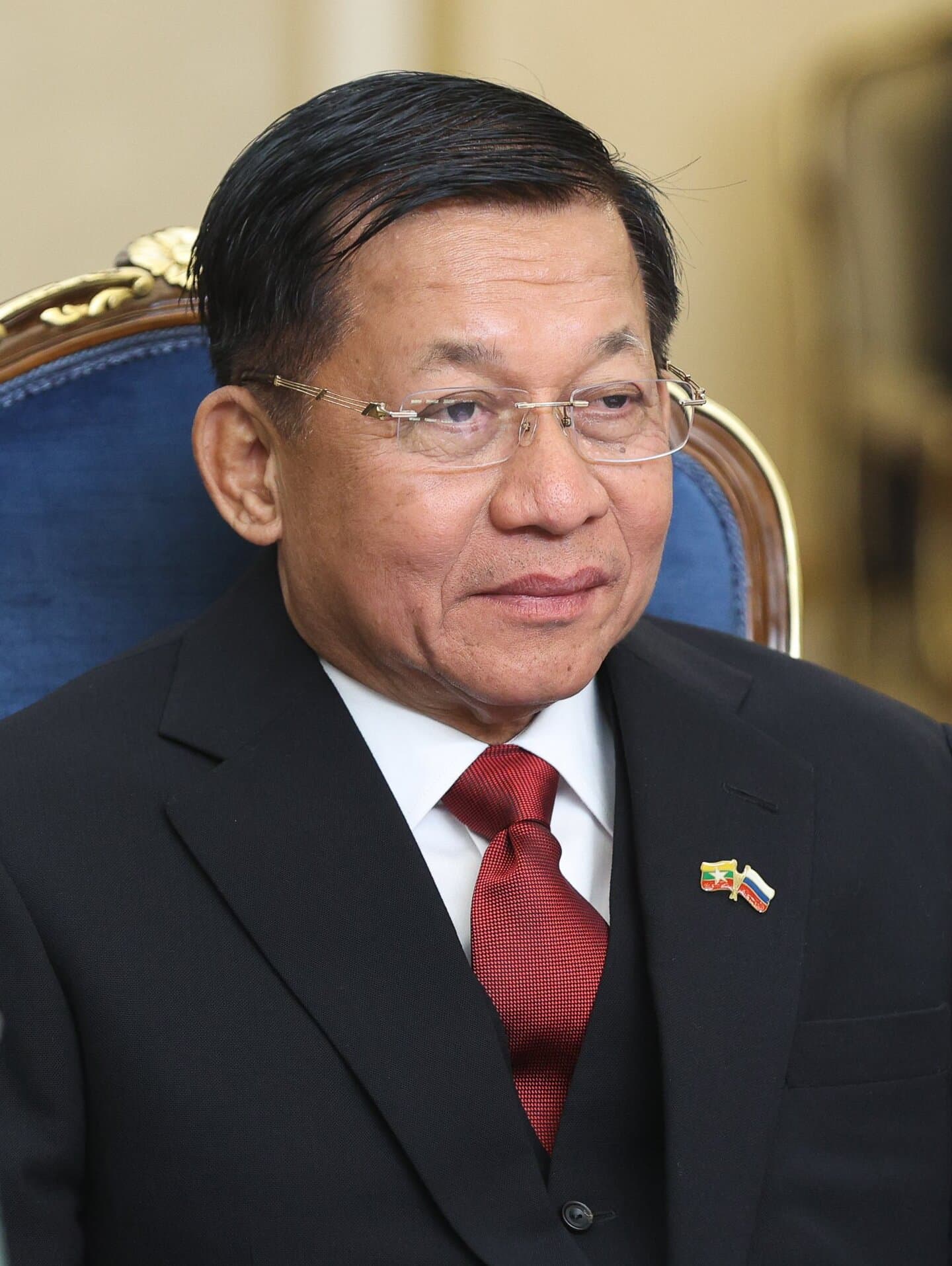
The military-backed president of Myanmar has publicly stated that his administration will not fully comply with the recent mandates issued by the International Court of Justice (ICJ). In his first remarks since the UN court determined that Myanmar's security forces committed genocide against the Rohingya minority, junta leader Min Aung Hlaing dismissed the verdict and asserted that the use of the term "genocide" has negatively impacted the nation's reputation.

Speaking during a meeting on Wednesday, as reported by state media, Min Aung Hlaing stated that Myanmar would pursue actions it deems appropriate for a responsible nation. However, he clarified that the government would refuse to follow any requirements from the court that it considers to be inappropriate. The leader did not specify which particular orders the military administration intends to disregard.
Context of the ICJ Mandate
The ICJ's ruling is a landmark decision, marking the first time the UN court has held a state accountable for genocide. The court's findings stem from the military operations conducted in Rakhine state between 2016 and 2018. During the 2017 crackdown, an estimated 730,000 Rohingya were forced to flee into neighboring Bangladesh. Today, the refugee population in those camps has grown to approximately 1.2 million individuals. The court identified widespread sexual violence, the destruction of hundreds of villages, and the killing of thousands of people as evidence of the campaign.
The court's directives require Myanmar to cease all ongoing violations of the Genocide Convention and to take immediate steps to investigate and prosecute those suspected of participating in the 2017 military operations. Furthermore, the ruling mandates that the state provide guarantees against future violations, facilitate the return of displaced Rohingya, protect them from persecution, and provide rehabilitation to survivors. The court also ordered the government to restore lost property and pay compensation for harm that cannot be remedied through restitution alone.
State Position and Enforcement Challenges
Despite the court's order to report back on its progress within two years, Myanmar continues to maintain its previous stance. The foreign ministry has historically characterized the security operations as necessary counter-terrorism measures directed at insurgents. Officials have argued that the military actions lacked genocidal intent and were restricted in both scope and duration.
While the ICJ ruling is technically final, legal observers note that the court possesses limited mechanisms for direct enforcement. The current refusal by the junta leadership highlights the challenges inherent in compelling a state to adhere to international human rights mandates when the government actively contests the court's findings and authority.
- The ICJ ruling is the first time a state has been held responsible for genocide by the court.
- Myanmar must provide compensation and rehabilitation to Rohingya survivors according to the court.
- The court has limited ability to enforce its directives on a non-compliant state.
- The military-backed president of Myanmar has publicly stated that his administration will not fully comply with the recent mandates issued by the International Court of Justice (ICJ).
Spotted an error? · Our editorial policy
UP NEXTGovernment Proposes New Delimitation Legislation to Implement Women’s ReservationOther angles · #genocide
Timeline →More from World
Nathula Pass Border Trade Season Set to Conclude on November 30
UK Department for Work and Pensions Takes Online Services Offline Following Cyber Incident
President Trump Approves Major Disaster Declaration for Florida Following Severe Flooding