ICJ Rules Myanmar Committed Genocide Against Rohingya Minority
The International Court of Justice has ruled that Myanmar committed genocide against the Rohingya minority during military clearance operations in 2017.

- ICJ rules Myanmar committed genocide against Rohingya minority in 2017.
- Court finds security forces killed about 10,000 civilians and carried out widespread sexual violence.
- Myanmar ordered to allow safe return of refugees, punish offenders, and pay compensation.
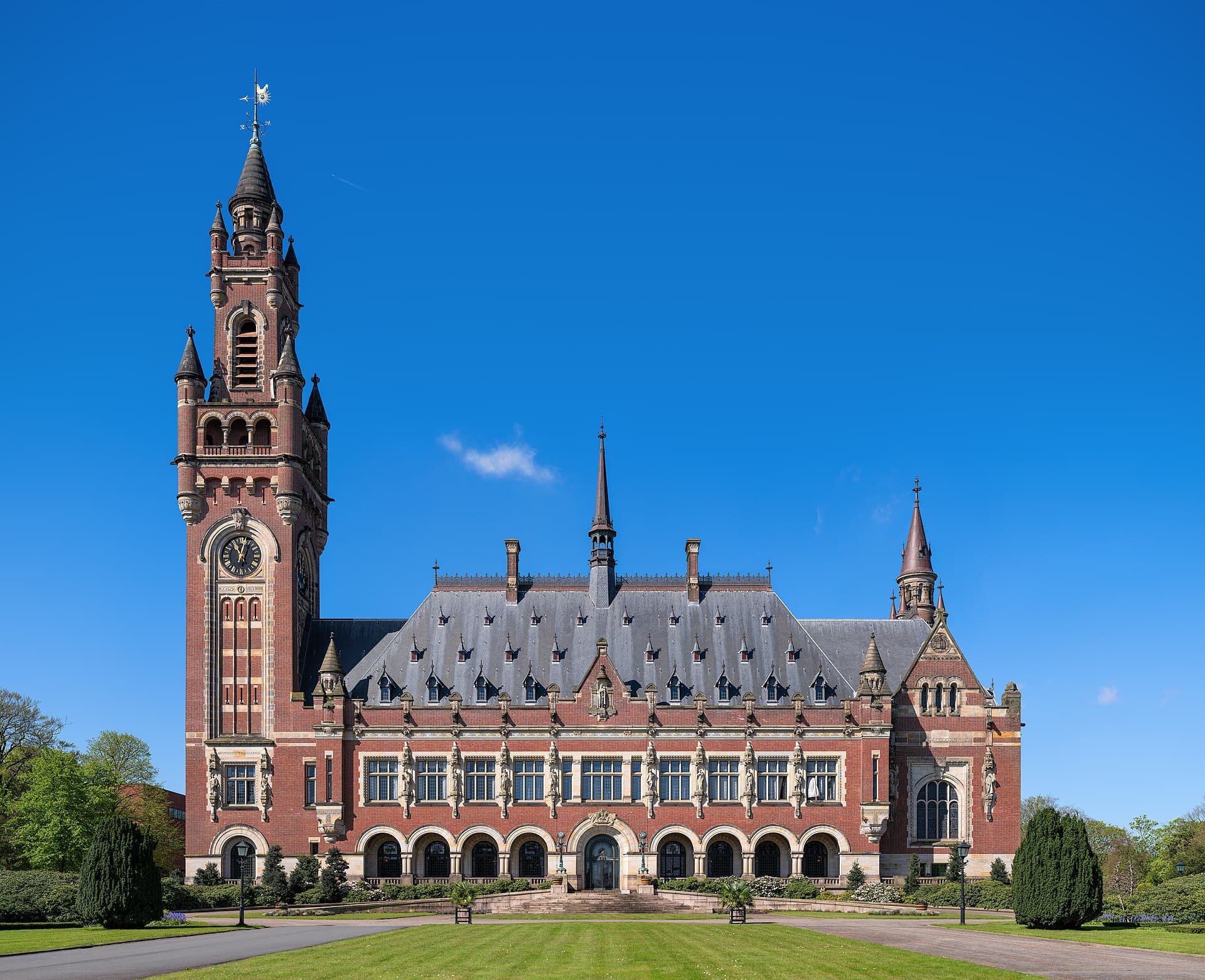
The International Court of Justice delivered a landmark ruling determining that Myanmar committed genocide against its Rohingya Muslim minority during August 2017 clearance operations in northern Rakhine State. Court President Yuji Iwasawa stated that the 15-judge panel found clear intent by Myanmar to destroy a substantial part of the population. The decision marks the first time in the 80-year history of the court that judges have determined a state itself committed genocide, and only the fourth time an international court has met the legal threshold since the Holocaust.
Court Findings and Orders
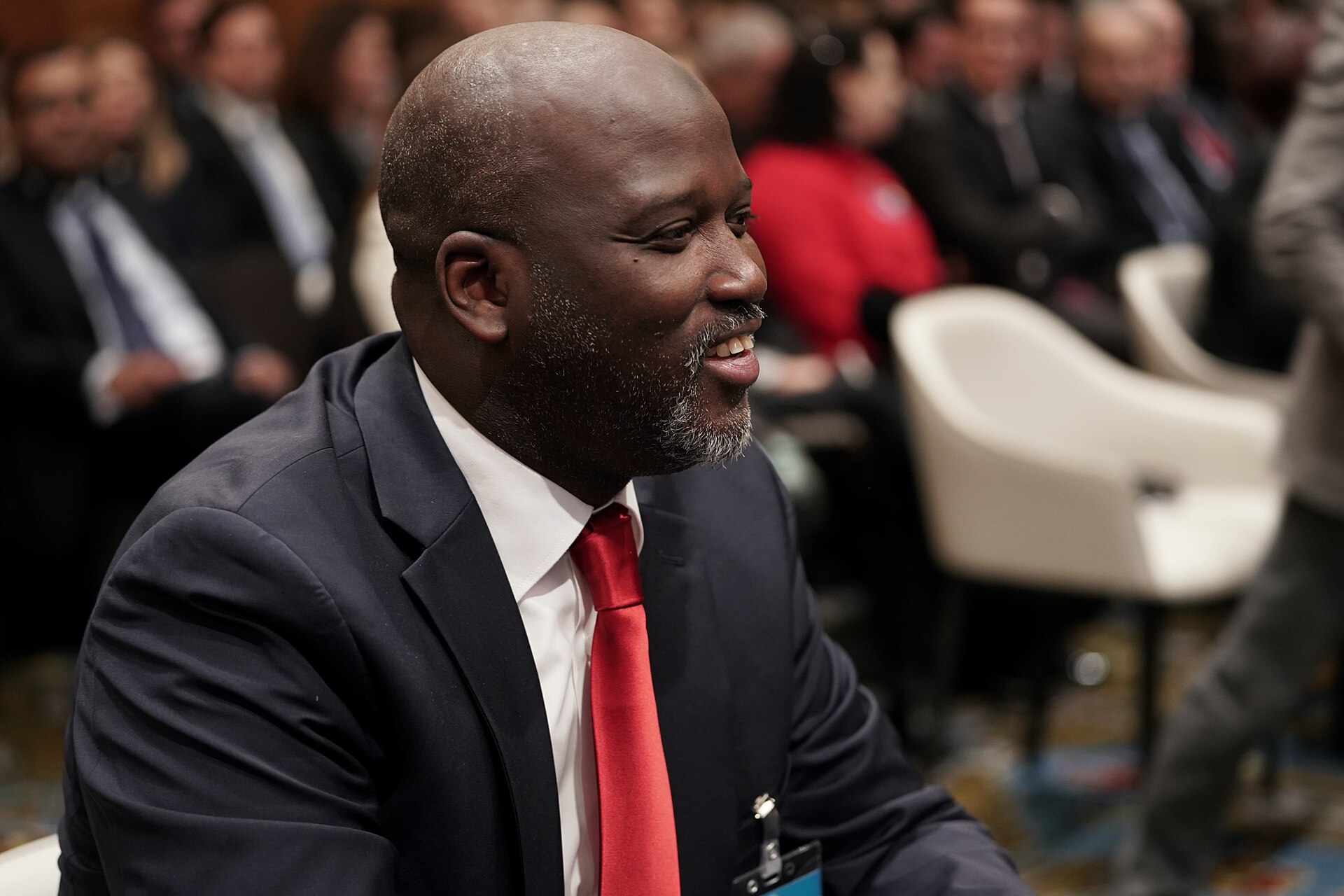
During the nearly three-hour reading of the verdict in The Hague, Iwasawa detailed evidence showing security forces killed approximately 10,000 Rohingya civilians, perpetrated widespread sexual violence against women, and inflicted extreme violence against children. The court noted that villages were systematically destroyed and replaced, establishing the inference of genocidal intent. Judges ordered Myanmar to facilitate the safe, voluntary, and dignified return of refugees, investigate and punish those responsible, and provide compensation to be determined later.
Background and Enforcement Challenges
The case was initiated in November 2019 by The Gambia under the 1948 UN Genocide Convention with the backing of the 57-member Organisation of Islamic Cooperation. Myanmar consistently denied the allegations, arguing through representative Ko Ko Hlaing that military operations targeted insurgent groups following attacks on security personnel. Although ICJ judgments are binding and cannot be appealed, the court lacks an enforcement mechanism. Compliance rests with Myanmar's leadership, including Min Aung Hlaing, though plaintiffs can approach the UN Security Council under Article 94(2) of the UN Charter, where permanent members hold veto power.
- The International Court of Justice found Myanmar guilty of genocide against the Rohingya population.
- The ruling stems from a 2019 lawsuit filed by The Gambia.
- The court ordered Myanmar to facilitate safe returns and investigate perpetrators, though the tribunal lacks its own enforcement mechanisms.
- The International Court of Justice delivered a landmark ruling determining that Myanmar committed genocide against its Rohingya Muslim minority during August 2017 clearance operations in northern Rakhine State.
Spotted an error? · Our editorial policy
UP NEXTDadasaheb Phalke International Film Festival Awards 2026: Taylor Swift and James Cameron Among Winners