International Court of Justice to Deliver Landmark Rohingya Genocide Judgment
The International Court of Justice is scheduled to deliver its judgment on Thursday in the case filed by Gambia accusing Myanmar of committing genocide against the Rohingya minority.

- The International Court of Justice will deliver its judgment on Thursday in the case brought by Gambia against Myanmar.
- The case accuses Myanmar of genocide against the Rohingya minority following a 2017 military offensive that drove hundreds of thousands to flee.
- The ruling marks the court's first major decision in over a decade regarding the 1948 Genocide Convention.
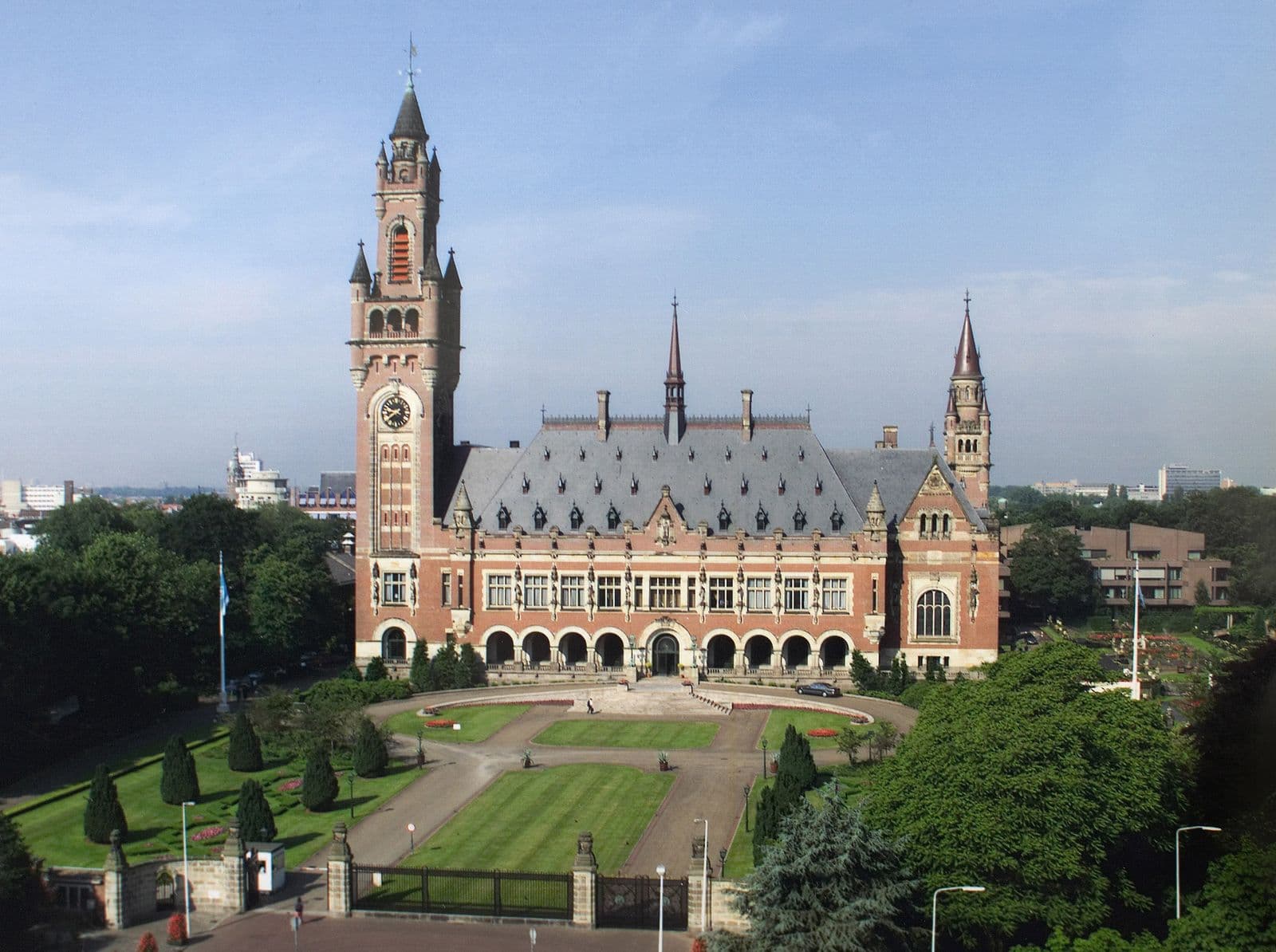
The International Court of Justice is set to release its verdict in a case that accuses Myanmar of carrying out genocide against the Muslim Rohingya minority. The upcoming decision follows a legal action initiated seven years ago by Gambia. Proceedings for the delivery of the judgment are scheduled to begin at 10 am local time and are expected to last for up to 90 minutes. This proceeding marks the first major ruling by the court in over ten years concerning the application of the 1948 Genocide Convention.
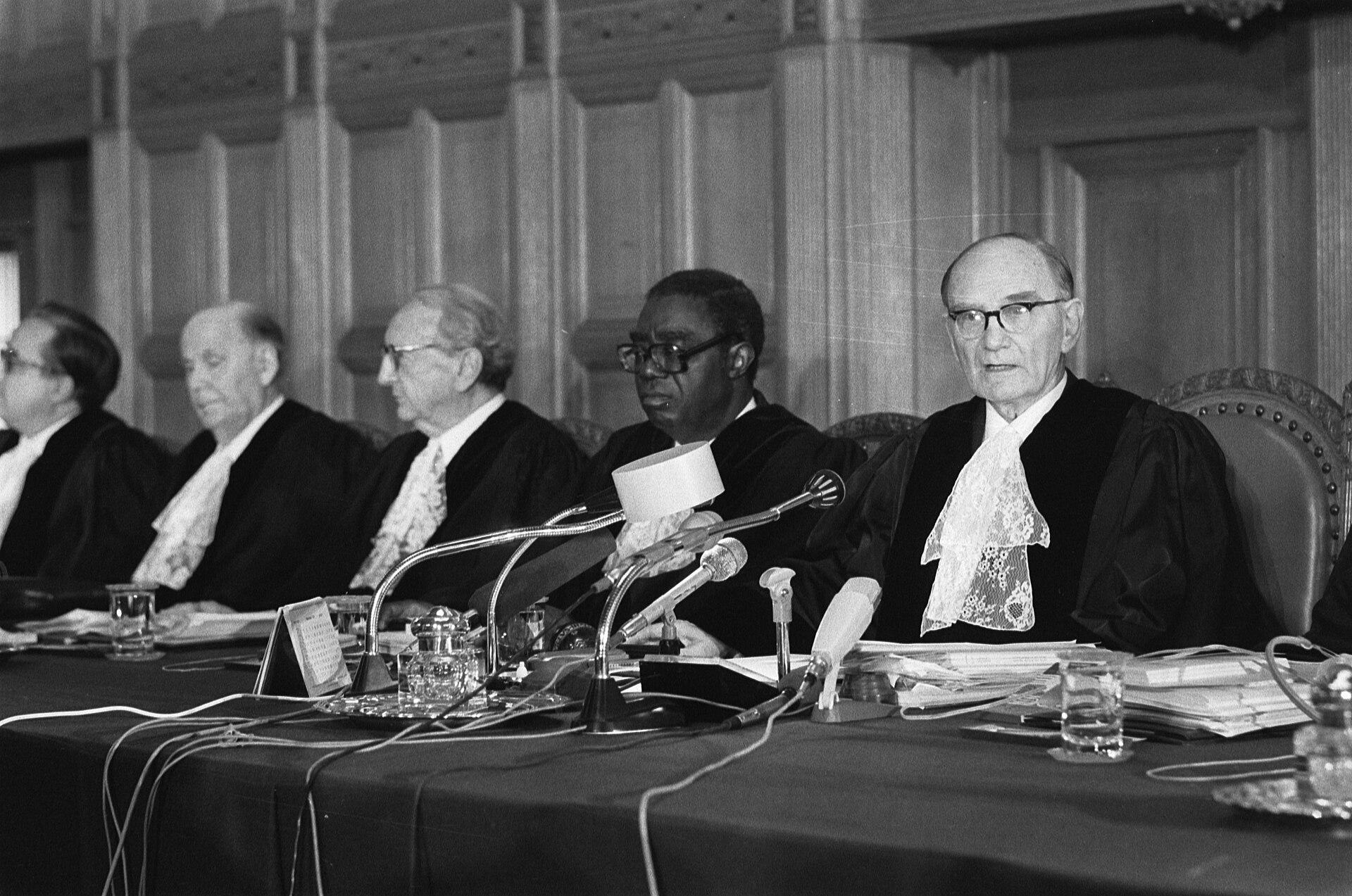
The Muslim Rohingya population primarily originates from Myanmar's Rakhine state, where they have experienced decades of discrimination, violence, and a lack of citizenship under domestic laws, rendering them a major stateless population globally. Successive waves of persecution, notably a sweeping military offensive in 2017, forced hundreds of thousands of people to flee the predominantly Buddhist country. Gambia has asserted in its legal filings that Myanmar bears responsibility for genocide due to this military campaign, which caused at least 730,000 individuals to escape. Displaced survivors have recounted instances of mass killings, widespread sexual violence, and village burnings. A United Nations fact-finding mission previously concluded that the military operations involved genocidal acts. Conversely, officials within Myanmar's military-backed government did not respond to requests for comment regarding the allegations, though authorities have historically maintained that security forces responded lawfully to attacks by armed groups.
Global Implications and Enforcement Challenges
Legal observers and approximately 1.2 million displaced Rohingya refugees residing in sprawling settlements in Cox's Bazar, Bangladesh, are monitoring the case intently. Thousands of refugees continue to attempt perilous sea crossings annually, with recent periods recording significant casualties among those traveling on crowded vessels. Beyond its immediate context, the court's decision is anticipated to carry implications for other international proceedings, including a 2023 case brought by South Africa accusing Israel of genocide in Gaza. Israel, like Myanmar, has denied allegations of genocide and stated its actions are legitimate responses to armed attacks.
Establishing the crime of genocide in international tribunals remains rare because legal standards require proving a specific intent to destroy an ethnic, national, racial, or religious group in whole or in part. Since the Holocaust, international judicial bodies have recognized genocide in a limited number of instances, such as the 1994 atrocities in Rwanda, the 1995 killings in Srebrenica, and actions by the Khmer Rouge in Cambodia during the late 1970s. As part of its legal demands, Gambia has requested that the judicial body order Myanmar to provide reparations and facilitate the safe repatriation of refugees. While judgments rendered by the International Court of Justice—which arbitrates disputes between states and evaluates treaty violations—are final, the institution possesses restricted mechanisms to enforce compliance. The tribunal operates independently from the International Criminal Court, which targets individual criminal accountability through war crimes and genocide prosecutions resulting in prison sentences.
- The International Court of Justice judgment is scheduled for Thursday following a seven-year legal process initiated by Gambia.
- Myanmar denies the genocide allegations, asserting its military forces responded lawfully to armed attacks.
- The court's findings will test the application of the 1948 Genocide Convention, though enforcement mechanisms remain limited.
Spotted an error? · Our editorial policy
UP NEXTMacaulay Culkin to Return for New Home Alone Sequel Developed With Seth RogenSwipe more stories · WorldQuick cards, a few lines each. Tap to open.