Bangladesh and Pakistan Establish Five-Year Framework for Government Trade
Bangladesh and Pakistan have entered into a five-year memorandum of understanding to facilitate direct, state-to-state trade in essential food items and agricultural products.

- Bangladesh and Pakistan signed a five-year G2G trade agreement for essential commodities.
- The agreement involves the Trading Corporation of Bangladesh and the Trading Corporation of Pakistan.
- Individual contracts for goods like rice, wheat, and sugar will be negotiated separately.
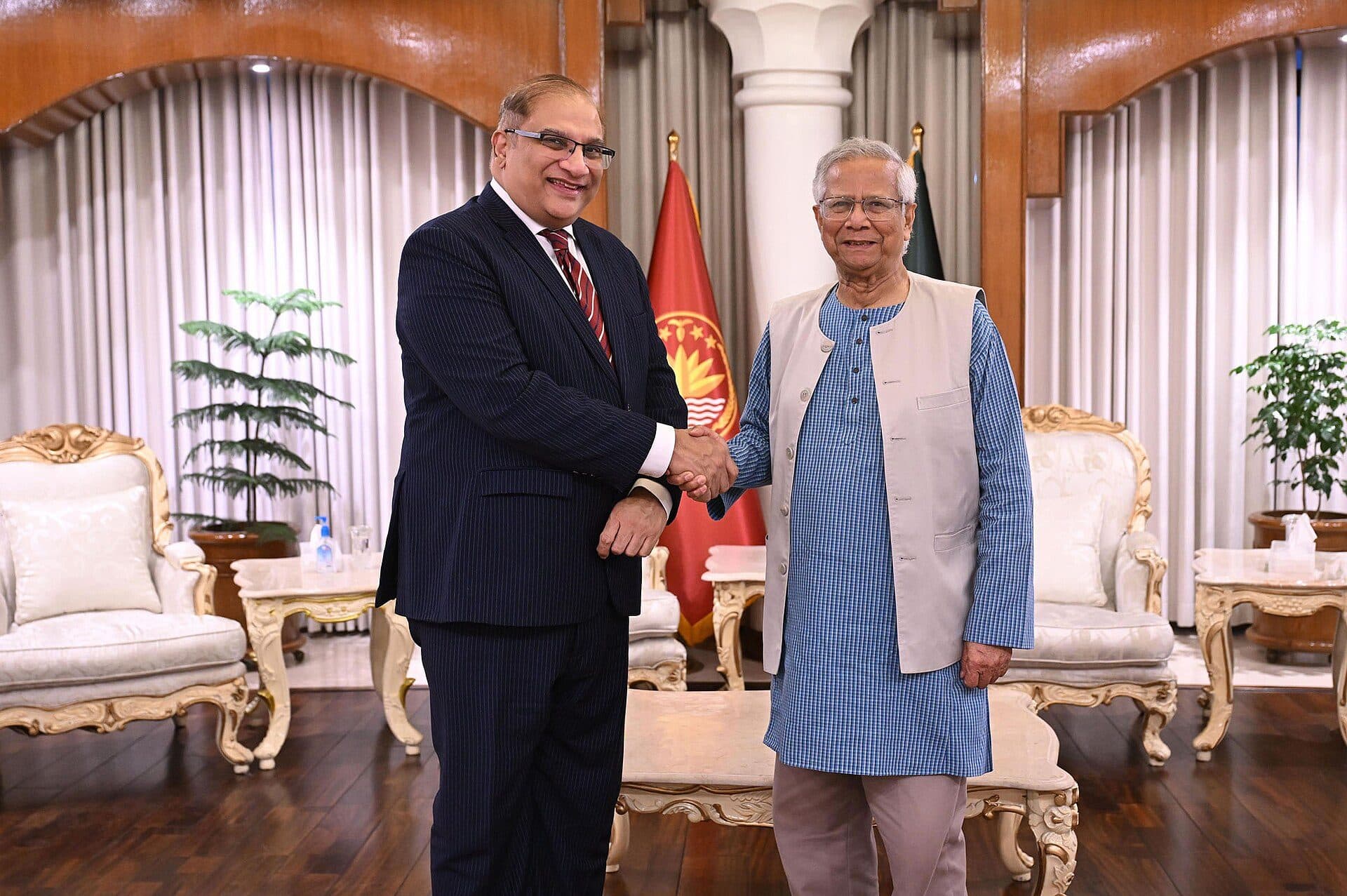
Bangladesh and Pakistan officially signed a five-year memorandum of understanding (MoU) on Sunday to establish a structured, government-to-government (G2G) framework for the trade of essential commodities. The agreement, finalized at the Ministry of Commerce in Dhaka, aims to create a direct institutional link between the Trading Corporation of Bangladesh (TCB) and the Trading Corporation of Pakistan (TCP). By enabling these state-owned agencies to coordinate directly, the pact seeks to diversify supply chains and provide Bangladesh with potential alternative sources for critical goods during periods of domestic price volatility or supply shortages.
Scope and Mechanism of the Agreement
The framework covers a broad spectrum of essential items, including various types of rice, wheat, refined and unrefined sugar, and multiple forms of edible oil such as soybean, sunflower, canola, and palm olein. Additionally, the list of potential trade goods encompasses pulses like lentils and chickpeas, as well as agricultural inputs and produce such as potatoes, onions, tea, dates, and fertilizers. While the agreement establishes the formal structure for this cooperation, it does not mandate specific import or export volumes. For each transaction, the interested party must submit a written proposal outlining quantity, quality standards, specifications, and delivery schedules, which will then lead to the negotiation of separate contracts for individual commodities.
Bilateral Context and Outlook
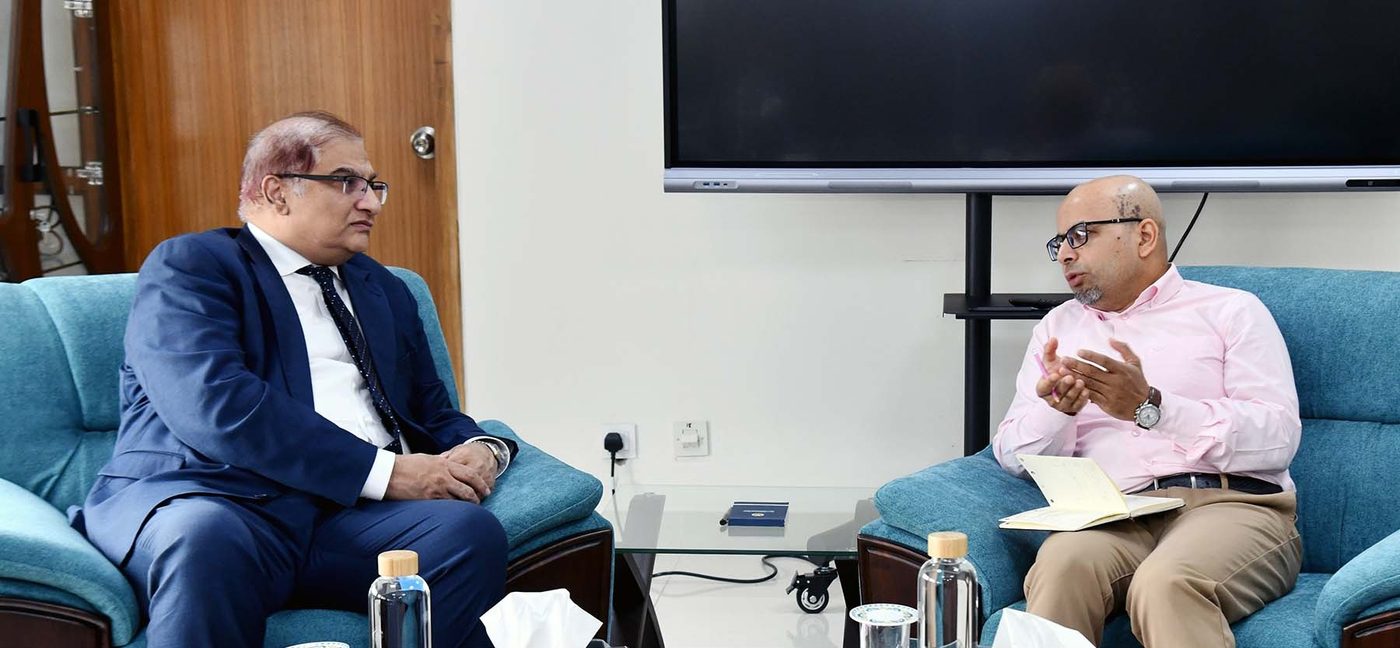
The signing ceremony was attended by Bangladesh's Commerce Secretary Sharaf Uddin Ahmad Chowdhury, TCB Chairman Brigadier General Mohammad Faisal Azad, and Pakistan's High Commissioner to Bangladesh, Imran Haider. During the event, High Commissioner Haider indicated that Pakistan holds surplus stocks of commodities such as Basmati rice, onions, and spices, and is prepared to fulfill requests based on Bangladesh's specific needs. He also highlighted recent improvements in bilateral relations, noting Pakistan's decision to withdraw anti-dumping duties on Bangladeshi hydrogen peroxide and the established duty-free quota for 10,000 metric tonnes of Bangladeshi tea.
This initiative follows a recent six-day visit to Pakistan by Bangladesh Parliament Speaker Hafiz Uddin Ahmad, signaling a push for improved diplomatic engagement. The MoU will remain in effect for an initial five-year term and features an automatic renewal clause for an additional five years, provided neither country issues a written termination notice at least three months in advance. Both sides expressed optimism that the agreement would move beyond a formal document to generate tangible commercial outcomes, with TCB and TCP officials expected to coordinate closely on pricing, quality control, and logistics moving forward.
- The MoU covers products like rice, wheat, sugar, edible oils, and various agricultural produce.
- It creates an institutional mechanism to allow direct trade, intended to secure stable supply chains.
- The agreement does not set fixed quotas or require automatic purchases, as all trade must be negotiated on a case-by-case basis.
- Bangladesh and Pakistan officially signed a five-year memorandum of understanding (MoU) on Sunday to establish a structured, government-to-government (G2G) framework for the trade of essential commodities.
Spotted an error? · Our editorial policy
UP NEXTOPEC+ Postpones Decision on Production Capacity Amid Global Market UncertaintyOther angles · #Bangladesh
Timeline →- NewsViolence erupts in Bangladesh as Hasina’s supporters clash with rivals ahead of planned return
- NewsBangladesh Security Forces Deployed as Awami League Initiates Two-Day Shutdown Ahead of Return Tensions
- NewsBangladesh Faces Nationwide Shutdown and Security Deployments Following Awami League Protests
- NewsBangladesh Speaker Suggests Potential ICJ Action for Sheikh Hasina’s Extradition
More from World

Eurostar Services Disrupted by Emergency Incident on Lille-Brussels Line

Ukraine Enforces Strict Media Bans on Energy Infrastructure Strikes Ahead of Winter

Conservative Coalition Ousts Labor in Victoria State Election