Gadi Eisenkot Rejects Unity Government Proposal After Talks with Benjamin Netanyahu
Yashar party leader Gadi Eisenkot has signaled his commitment to opposition partners, effectively sidelining a potential unity government deal with Israeli Prime Minister Benjamin Netanyahu.

- Gadi Eisenkot held a two-hour meeting with Benjamin Netanyahu in Tel Aviv.
- Eisenkot rejected a unity government, prioritizing his current opposition bloc.
- The deadline for Eisenkot to form a government is December 6.
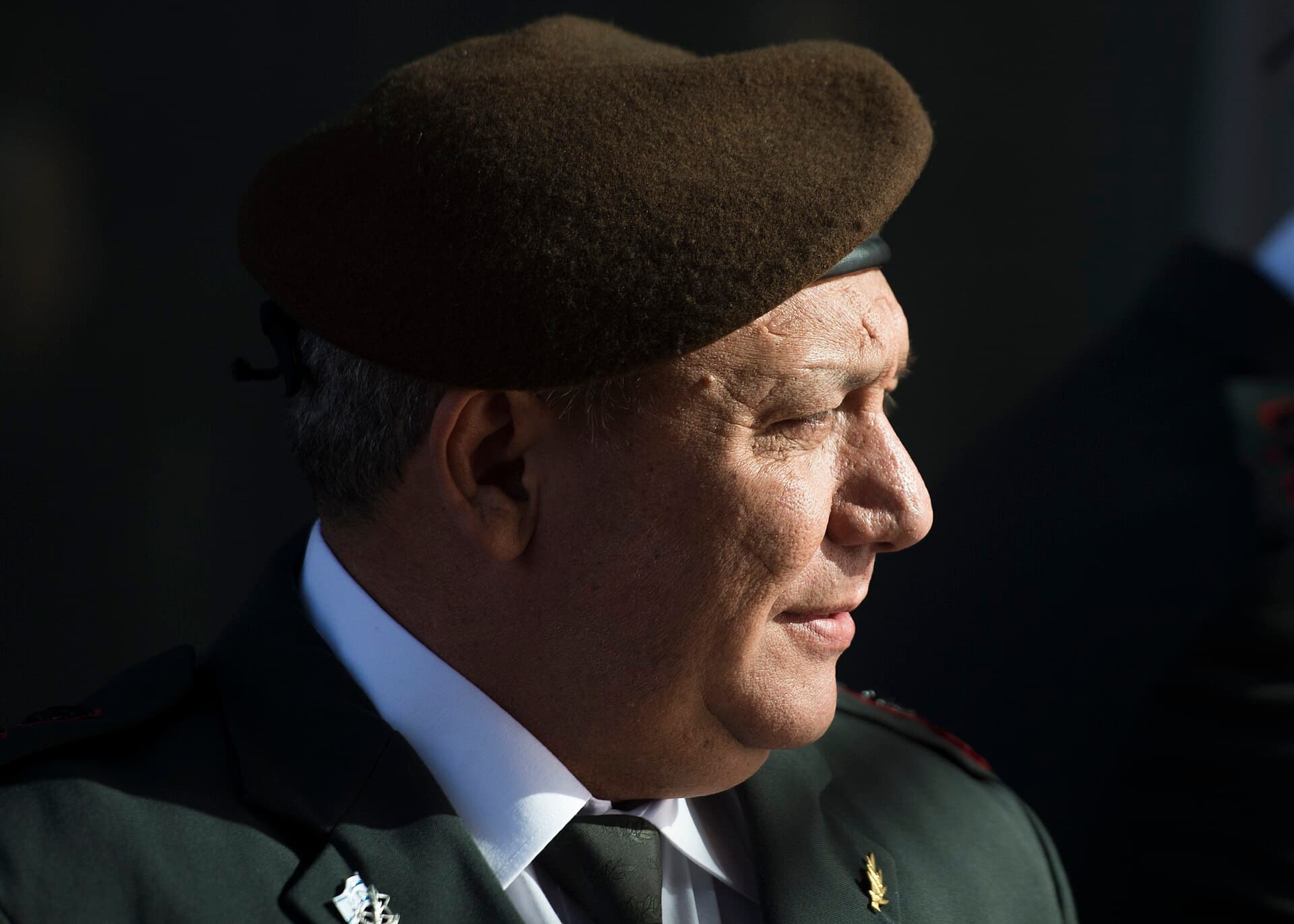
Gadi Eisenkot, the leader of the centre-right Yashar party, has dampened expectations regarding a potential unity government with Prime Minister Benjamin Netanyahu following a two-hour discussion held in Tel Aviv on Sunday. This session marked the second meeting between the two leaders this month, though it followed an earlier encounter described primarily as a security briefing. Despite the high-level dialogue, reports indicate that no further meetings are currently scheduled between the two politicians.
Stance on Coalition Formation
Addressing the Prime Minister during the meeting, Eisenkot reportedly emphasized his existing commitments, stating he remains tethered to his partners in the opposition bloc and invited Netanyahu to join only after a government is established. A spokesperson for Eisenkot confirmed that this position accurately reflects his stance. This dismissal follows a public overture from Netanyahu, who had previously expressed a willingness to serve in a rotational role under a government led by the former military chief to facilitate a unity arrangement.
Current Parliamentary Landscape
Eisenkot faces a firm deadline of December 6 to successfully assemble a coalition, a timeline that allows for a potential 14-day extension granted by the Israeli president. While he has already secured agreements with the left-wing Democrats and the right-wing Yisrael Beiteinu, his current bloc holds 48 seats in the 120-member Knesset, significantly short of a majority. In contrast, Netanyahu’s Likud party and its coalition of ultra-Orthodox and far-right allies control 53 seats.
Negotiation Hurdles
Efforts to expand the coalition have been complicated by ideological and legislative friction. Eisenkot is currently in discussions with Naftali Bennett of the B’Yachad party, though a formal agreement remains unsigned. Furthermore, securing support from ultra-Orthodox factions like United Torah Judaism remains difficult due to intense disagreements over mandatory military service. While secular partners within Eisenkot’s camp have advocated for requiring 18-year-old ultra-Orthodox men to serve, religious leaders are pushing for the continuation of long-standing exemptions for those pursuing theological studies.
Opposition and Legislative Conflict
Deep-seated tensions were further highlighted by a recent parliamentary vote concerning ultra-Orthodox draft evasion. Eisenkot’s bloc voted to defeat a bill introduced by United Torah Judaism intended to freeze arrests of draft dodgers, while Netanyahu and his supporters backed the measure. Following the weekend meeting, Yair Golan of the Democrats publicly reinforced the opposition’s objective, stating that the public favors the formation of a new government that excludes the current prime minister.
- Netanyahu offered to serve in a rotating government led by Eisenkot, but the offer was effectively declined.
- Eisenkot is currently negotiating with the B’Yachad party to broaden his 48-seat coalition.
- Disagreements over ending military exemptions for ultra-Orthodox students remain a major barrier to government formation.
- Gadi Eisenkot, the leader of the centre-right Yashar party, has dampened expectations regarding a potential unity government with Prime Minister Benjamin Netanyahu following a two-hour discussion held in Tel Aviv on Sunday.
Spotted an error? · Our editorial policy
UP NEXTEurostar Services Disrupted by Emergency Incident on Lille-Brussels LineOther angles · #Benjamin Netanyahu
Timeline →- NewsUnity Government Negotiations Between Netanyahu and Eisenkot Stalled Amid Political Backlash
- NewsNetanyahu and Eisenkot Unity Government Talks Stall Amid Policy Differences and Coalition Friction
- NewsIsraeli Unity Talks Collapse as Netanyahu and Eisenkot Fail to Reach Agreement
- NewsNetanyahu and Eisenkot Meet in Tel Aviv Amid Coalition Talks and December Deadline
More from World Politics
Unity Government Negotiations Between Netanyahu and Eisenkot Stalled Amid Political Backlash
Netanyahu and Eisenkot Unity Government Talks Stall Amid Policy Differences and Coalition Friction
Iran Pursues Intelligence Overhaul and Leadership Reset Amid Ongoing Security Pressures