Bangladesh Faces Nationwide Shutdown and Security Deployments Following Awami League Protests
The Awami League has initiated a two-day nationwide shutdown in Bangladesh, prompting increased security deployments and heightening political tensions over the future status of former leader Sheikh Hasina.

- The Awami League launched a two-day nationwide lockdown on Sunday with road blockades and fires.
- The government deployed additional police and 120 platoons of the Border Guard Bangladesh across the country.
- Sheikh Hasina announced plans to return to Bangladesh on December 16, 2026.
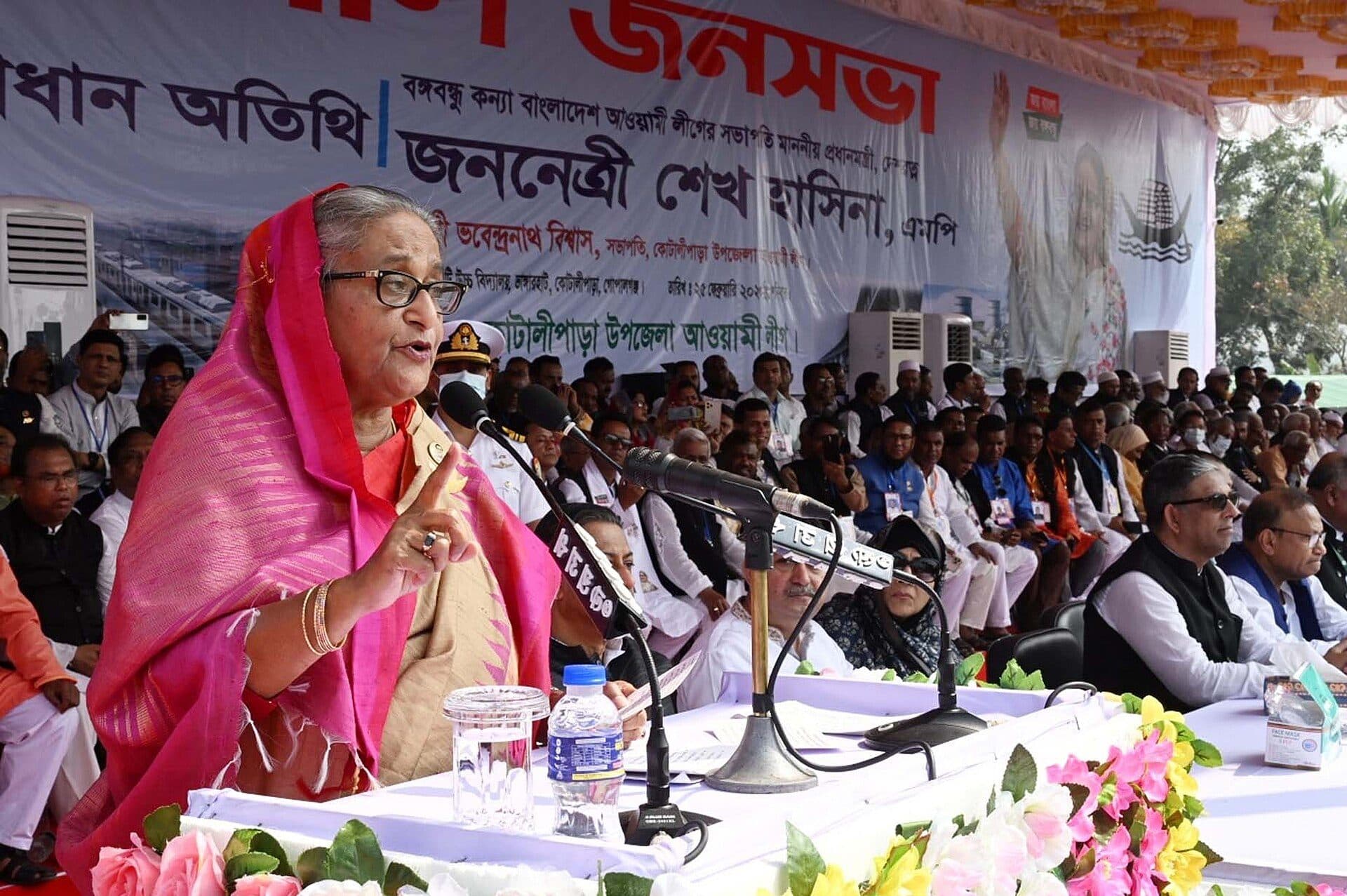
The Awami League, led by former leader Sheikh Hasina, commenced a two-day nationwide lockdown on Sunday, resulting in road blockades and fires in several regions. Supporters in key areas have taken to the streets, felling trees to obstruct major routes such as the Naodoba-Bhanga-Bhatiapara highway located in Faridpur. While demonstrations have been less prominent in other parts of the nation, the party's traditional stronghold of Gopalganj and surrounding southern districts have experienced active street protests and deliberate disruptions.
Security Deployments and Government Response
In response to the escalating unrest, the government increased police deployments heavily across the southern districts. Furthermore, authorities deployed 120 platoons of the Border Guard Bangladesh nationwide to manage the demonstrations. Security personnel have been actively working to clear felled trees from roadways and extinguish street fires to resume normal traffic flow, according to official visual evidence and statements released by the border security force.
Political Context and Return Plans
The current unrest follows significant political shifts that began with a student-led uprising in 2024 resulting in Sheikh Hasina fleeing to India, followed by the Bangladesh Nationalist Party coming to power after the February 12, 2026 election. Amid this climate, Sheikh Hasina publicly declared her intention to travel back to Bangladesh on December 16, 2026, coinciding with the anniversary of the 1971 liberation war victory against Pakistan. However, the administration in Dhaka stated that she will not receive a passport or travel documents because she is a death-row convict.
Extradition Stance and Regional Diplomacy
Alongside denying travel documents, Dhaka has formally requested that India extradite the former leader under the existing bilateral extradition treaty. In response, Indian authorities noted a distinction between extradition proceedings and an individual returning to their home country using travel documents. This exchange has intensified national security concerns and provoked widespread debate throughout Bangladesh regarding future stability.
- Protests and road blockades occurred in Gopalganj and Faridpur during the two-day shutdown.
- Authorities deployed 120 Border Guard Bangladesh platoons and extra police.
- Dhaka has requested India to extradite Sheikh Hasina while refusing her travel documents.
- The Awami League, led by former leader Sheikh Hasina, commenced a two-day nationwide lockdown on Sunday, resulting in road blockades and fires in several regions.
Spotted an error? · Our editorial policy
UP NEXTDMK Assures State Rights Protected as Top Congress Leaders Plan Chennai Visit Over Delimitation BillOther angles · #Awami League
Timeline →- NewsBangladesh Security Forces Deployed as Awami League Initiates Two-Day Shutdown Ahead of Return Tensions
- NewsFormer Aide to Sheikh Hasina Arrested in Dhaka Amid Rising Political Unrest
- NewsDiplomatic and Security Tensions Mount as Sheikh Hasina Announces Planned Return to Bangladesh
- NewsBangladesh Arrests Former Hasina Aide Amid Escalating Political Tensions
More from World Politics
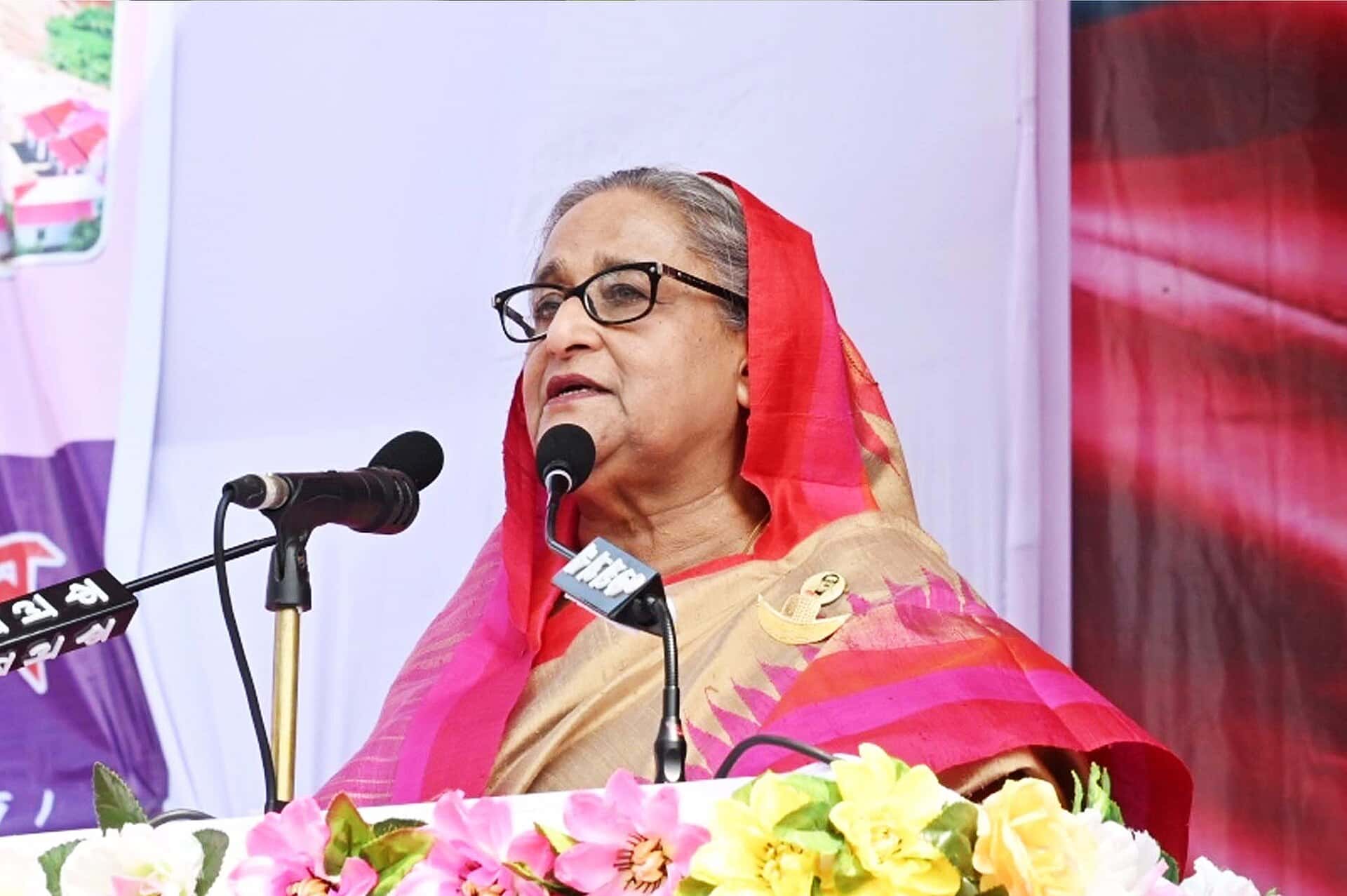
Bangladesh Security Forces Deployed as Awami League Initiates Two-Day Shutdown Ahead of Return Tensions
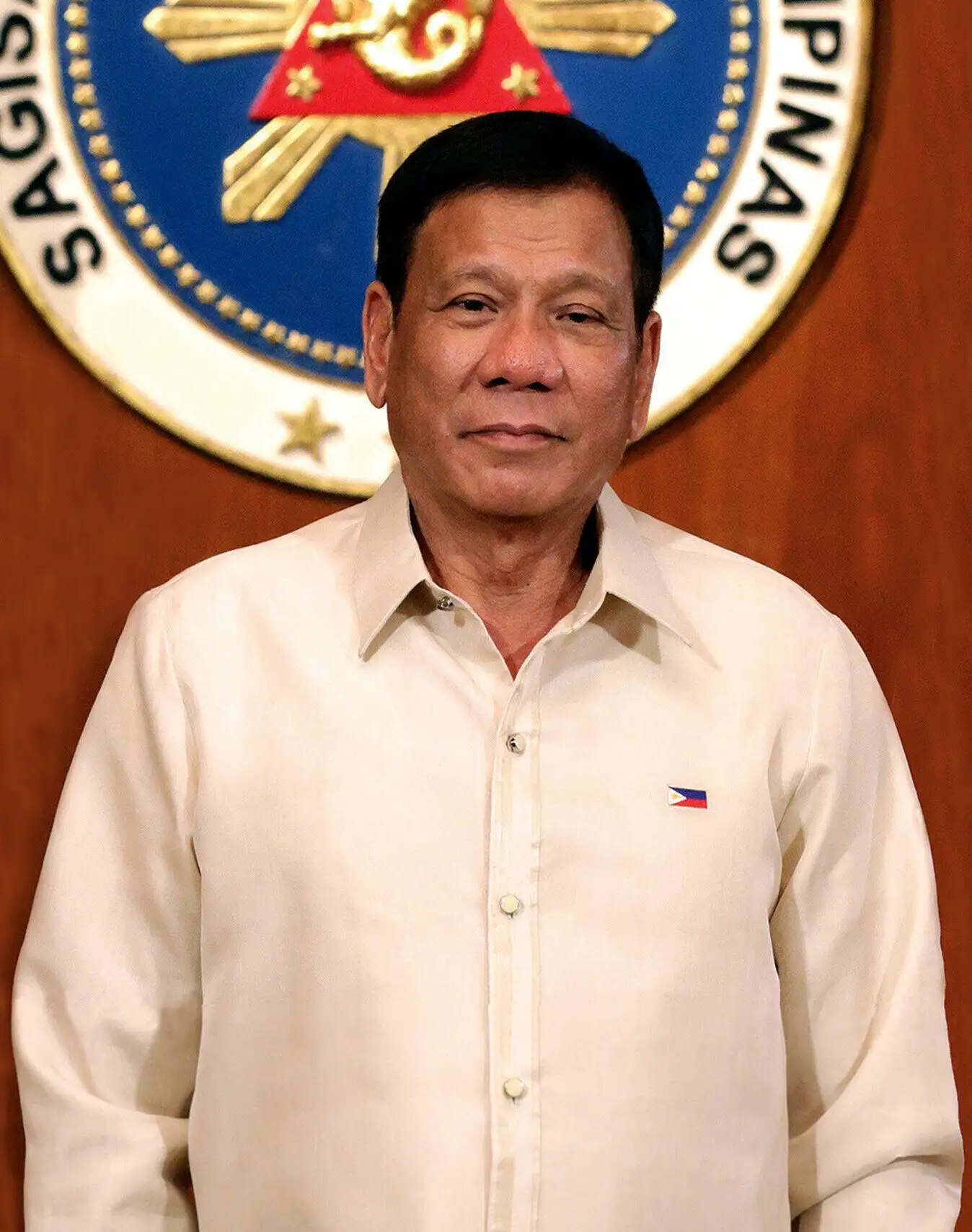
Former Philippine President Rodrigo Duterte Faces ICC Trial Over Drug War Killings
Israel’s Political Deadlock: Eisenkot Sets 24-Hour Deadline for Netanyahu’s Unity Talks